
Clearer signals with rewards intact
Fade a Food Lure With These Free Practice Steps
Keep the reward, simplify the information before the response and use a short practice note to change one part of your signal at a time.
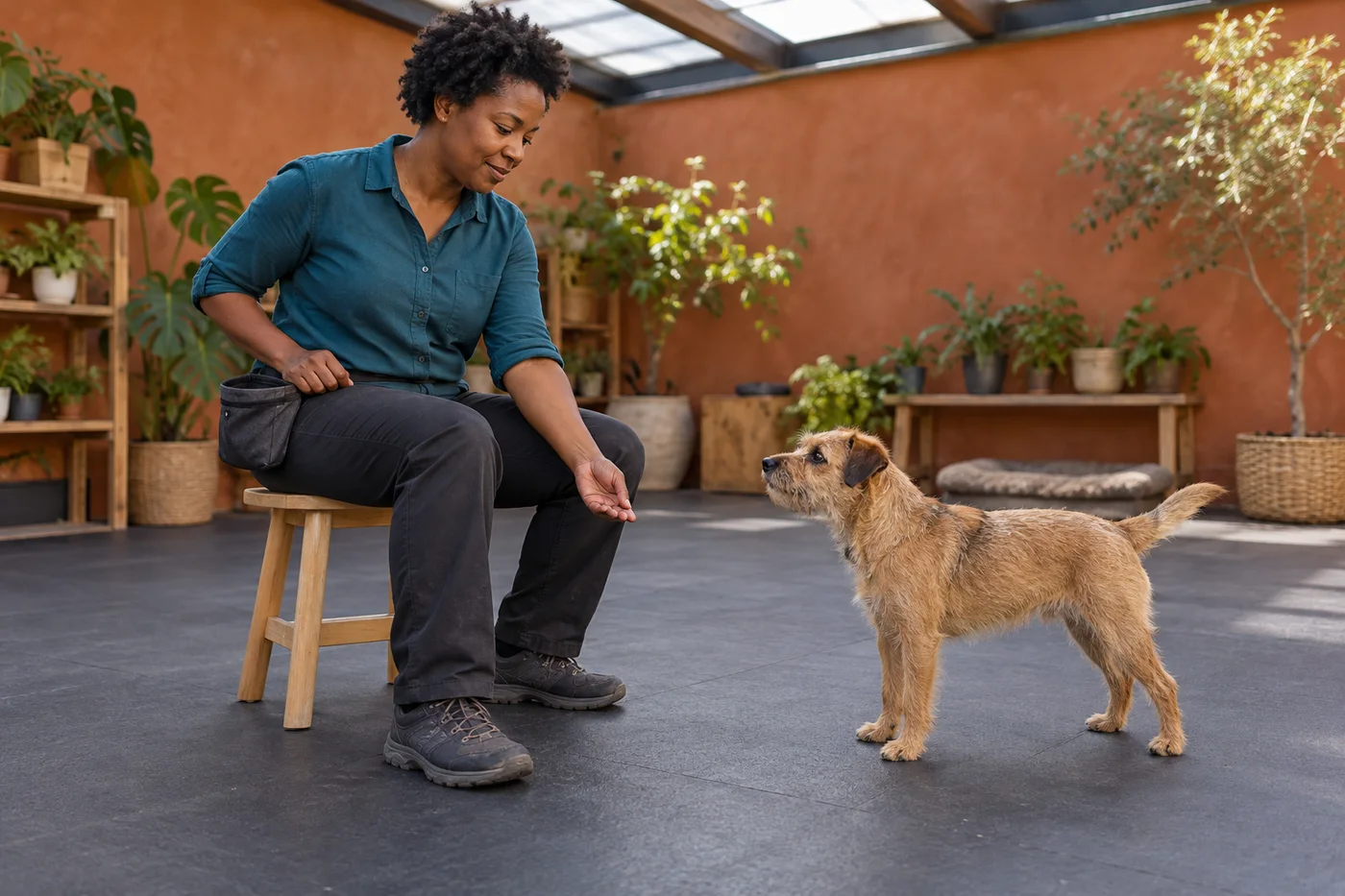
To fade a food lure, begin with the moment that keeps catching you out: you ask for an easy response, your dog waits, and the response appears only after a treat moves towards their nose. The food may have become part of the information they recognise. That does not establish stubbornness or a lack of respect. Look at your hands, posture, timing and surroundings before deciding the dog knows a word but refuses to answer it.
This free guide uses a short DogPath practice record to separate a visible prompt from the reward delivered afterwards. DogPath is free to download or start, with in-app purchases for some features or usage levels; paper notes also work. Keep rewarding learning. This is everyday training, not a way to test road safety, manage aggression or override fear. Pain, sudden behaviour change, panic, bite risk or welfare concerns require appropriate personal help. Choose comfortable voluntary movement and stop if the dog has difficulty moving or engaging.
Fade a food lure by identifying the actual prompt
Watch one familiar repetition without making it harder. What happens before the dog responds? Perhaps you say a word while bending, move a hand to the pouch, show food and then sweep your arm. Those are several possible pieces of information. Write the sequence in order. If the response follows the sweeping hand, a word on its own may not yet mean the same thing. The useful question is which part you will simplify first, not how to prove the dog should understand everything.
Choose an uncomplicated response the dog can already do comfortably in a quiet place. An easy step towards a familiar hand gesture can be enough for this exercise. Do not choose a new trick, a difficult physical position or an urgent recall near an open gate. The aim is to change the help around a known action. If the action itself is unclear, teach that foundation separately instead of removing the support that was making the task possible.
Choose one visible goal in your DogPath record
Give the practice a concrete goal: follows the familiar empty-hand gesture for one comfortable step, then receives a reward. Avoid entries such as listens better or works without food. They do not show what you asked or what changed. In your DogPath lesson or practice notes, include the room, starting position, gesture and reward location. The app organises your observations; it does not see whether your hand is empty, assess emotions or certify that the dog has learnt a cue.
Our guide to how DogPath lessons work explains the separate planning routine if it is unfamiliar. For today's attempt, choose just the behaviour you can observe and one prompt to change. Keep your phone aside during the repetition so you can watch and reward promptly. Record afterwards rather than reaching for a screen while the dog is trying to understand your hand. You can also ask a prepared adult to observe your sequence without approaching or distracting the dog.
Prepare rewards before changing what the dog sees
Have suitable small rewards ready in a pouch or another secure, reachable place. Account for them within the dog's normal food plan and any veterinary dietary advice. Keep the preparation calm: a bowl held conspicuously in front of the dog can become another prompt. Do not leave food where it creates a separate grabbing problem. Practise your own reach so delivery after the response is smooth, without a long search through pockets or a noisy packet being opened mid-repetition.
Veterinary behaviourist Kelly Ballantyne's AVSAB article explains practical food-reward use, including small portions and planning for calories, and supports continuing to reinforce learnt behaviour. Removing food from a signalling hand is therefore a different decision from stopping rewards. Do not skip meals to make the dog work harder, ignore a prescribed diet or insist that praise must replace something the dog values. If eating or appetite changes unexpectedly, address the concern with appropriate veterinary help rather than calling it a training problem.
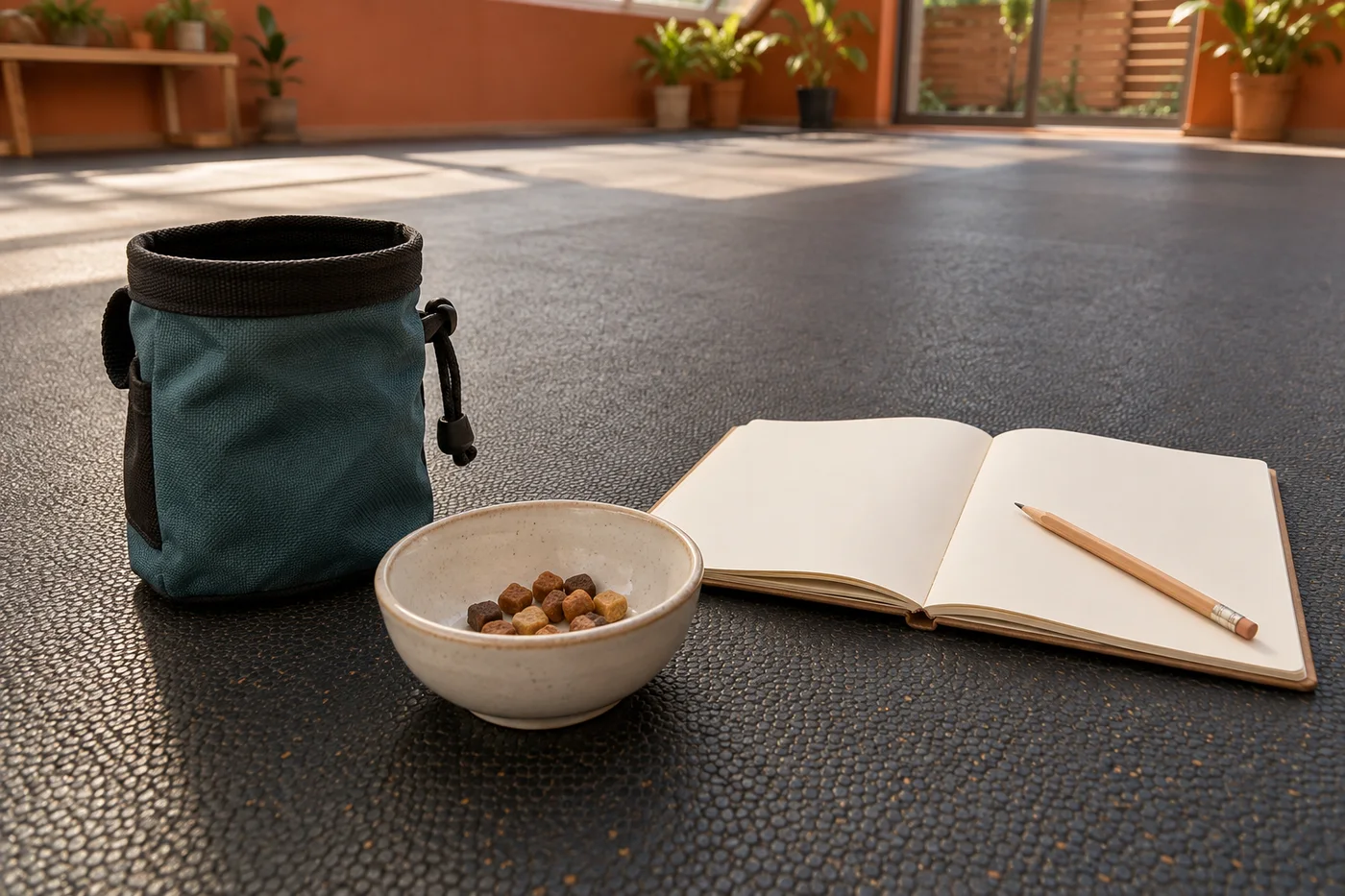
AVSAB guidance by veterinary behaviourist Kelly Ballantyne on using food rewards
Try the familiar movement with an empty hand
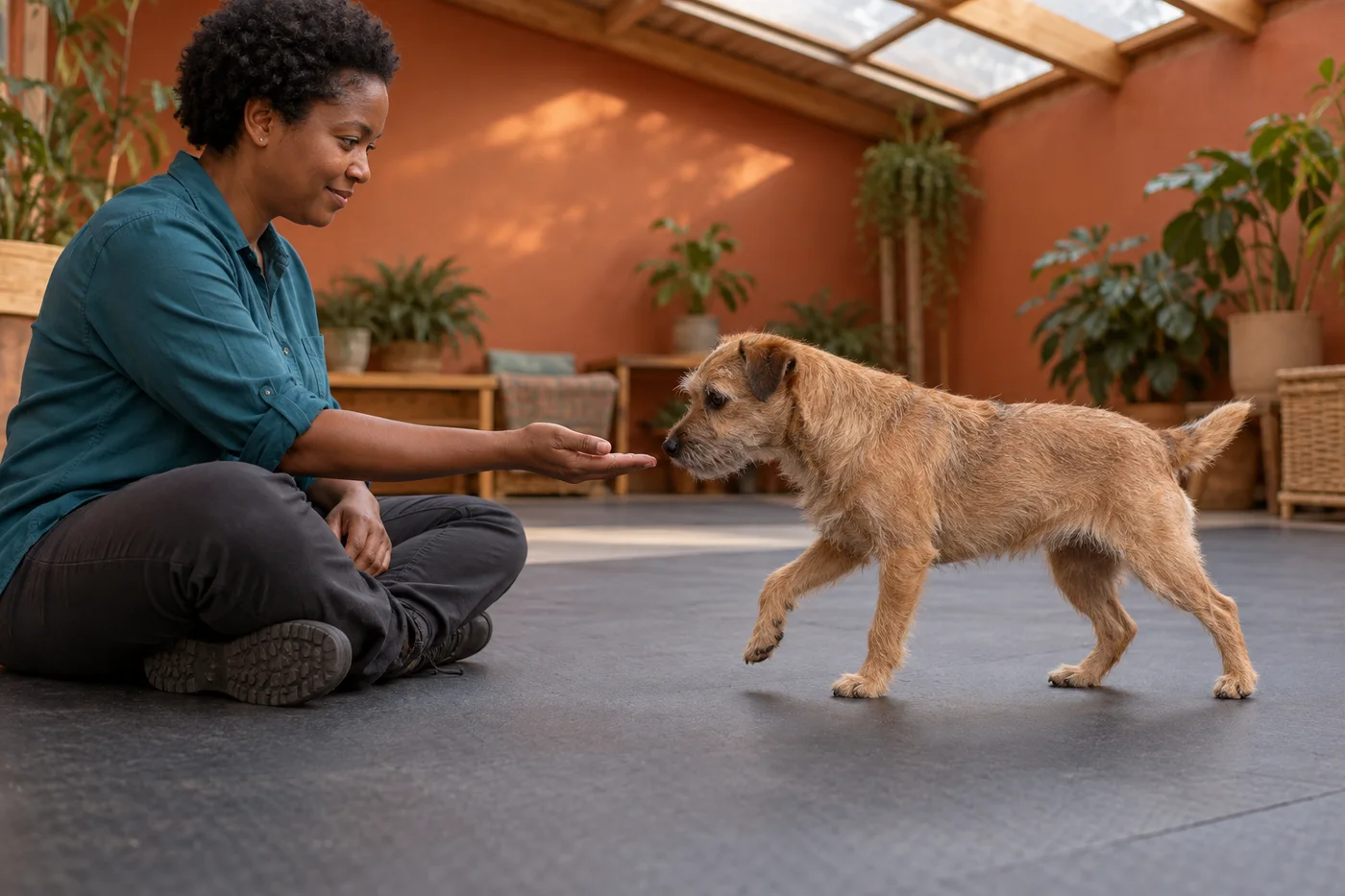
In the same easy setting, make the familiar gesture with an empty hand. Keep its position and movement close to the successful version, without holding the fingers against the dog's nose or physically moving them. Reward a small, recognisable response promptly from the prepared source. If you use a familiar marker word or clicker, mark that response and follow with the reward. You do not need to demonstrate the empty palm dramatically, tease the dog or make a show of concealing something.
If nothing happens, pause and reassess rather than repeating the gesture more loudly or chasing the dog with your hand. Perhaps you changed the shape, position and food at once, or the response was not established. Make the action easier and restore a helpful teaching step if needed. A successful response to a visible lure is still useful information. It is not a reason to withhold payment while insisting that this next, different version should be equally obvious immediately.
Keep reward delivery separate from the signal
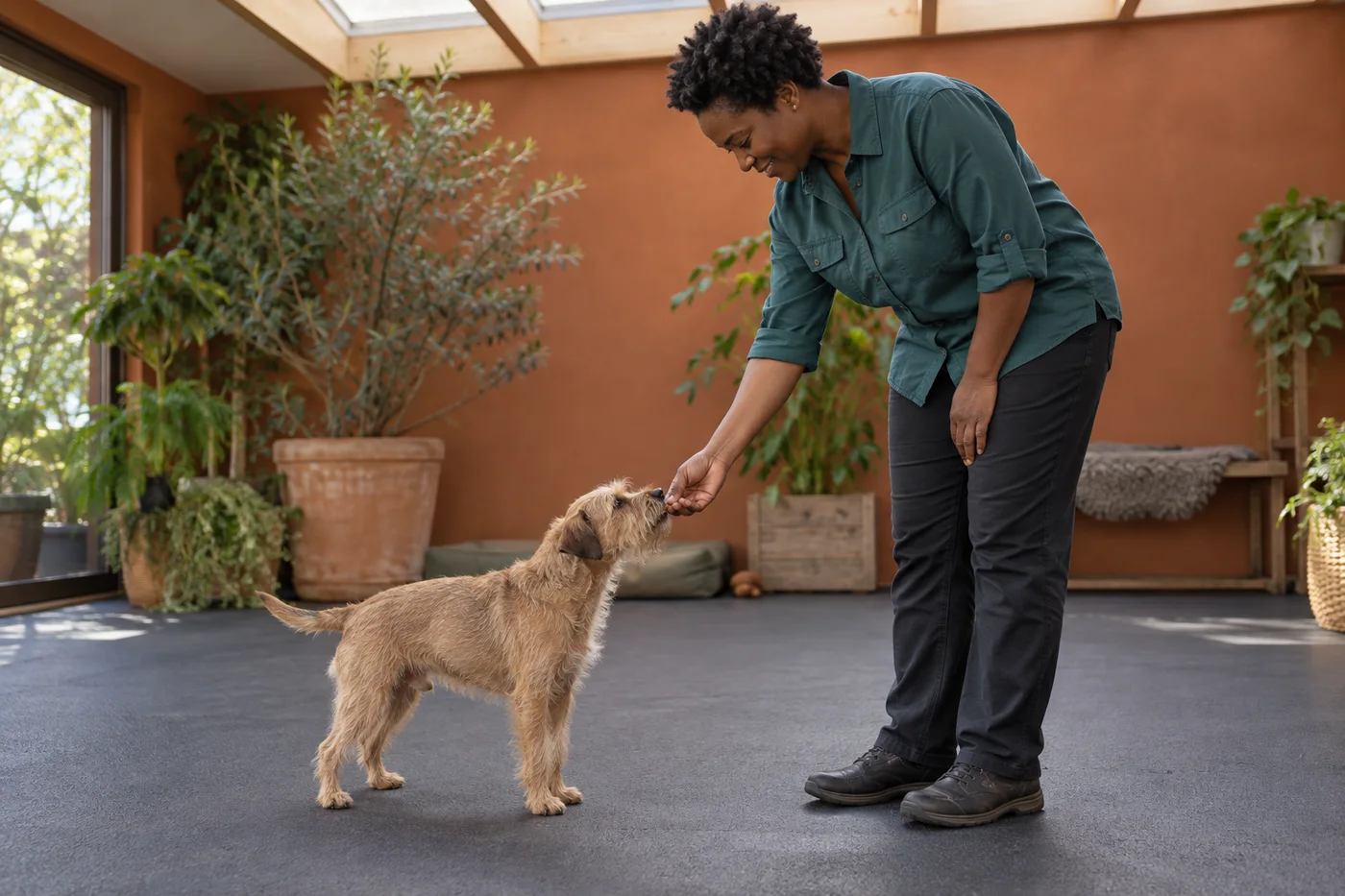
Try to leave the reward hand still until the response happens. Then mark if that is part of your familiar routine and reach to deliver. This makes the order easier to read: a signal, a voluntary action, then a reward. If you reach into the pouch before every response, the reach may become the event the dog waits for. Do not punish that observation. Change your own sequence and see whether the familiar gesture becomes clearer in the same uncomplicated setting.
Reward where the dog can take it comfortably, without jumping, twisting or stretching awkwardly. Let them finish eating and reset before another attempt. Avoid repeatedly moving food away just as they approach it. If the dog mouths hands, guards food or seems uncomfortable with delivery, choose appropriate management and personal advice rather than practising close handling through conflict. The problem here is unnecessary information before a response, not the dog's right to receive a promised reward after a successful effort.
Reduce the gesture only after the empty-hand version is clear
Food removed from the signalling hand and a smaller hand movement are two separate changes. Keep the full familiar gesture while the empty-hand version becomes understandable. Later, try a modest reduction in its size, starting from the same place. Do not suddenly stand upright, move across the room and replace the gesture with a word in one attempt. A small gesture may be a useful final signal; there is no requirement that every everyday response become verbal-only.
If a verbal cue is genuinely useful, introduce it consistently before the familiar gesture, leaving a brief opportunity for the dog to respond. Avoid a stream of repeated words. When the word has a useful history, occasionally see whether it works before adding the helpful gesture. Reward the response. If you need the gesture, provide it calmly and make a note. This is a learning sequence, not a surprise examination or a promise of a particular number of repetitions.
Change distance, duration or distraction individually
After comfortable responses in the original setting, choose one modest change. Stand a little farther away while keeping the action and environment familiar, or keep the same distance and try a quieter second room. Do not also ask for a longer hold or add another dog. More duration, greater distance and competing activity each change the task. Keep the version you are testing small enough that you can recognise what helped or made the response less clear.
Use the short-session guide to keep this practice manageable rather than filling a long training block. A few useful attempts with breaks may show more than continued guessing. A dog who responds indoors can still need help elsewhere; that is not evidence they were pretending to understand at home. Maintain appropriate physical management near doors, traffic, wildlife or other hazards. Fading a lure does not make a cue reliable in every setting or justify removing a lead or another necessary safety arrangement.
Record what happened and choose the next small change
Afterwards, note the exact prompt, where food was kept, whether the dog responded before your reward hand moved, and what you changed. An informative entry might say: same room, full empty-hand gesture, one step, reward from pouch afterwards. Another might say: reduced gesture plus standing instead of sitting, dog watched without moving. That second entry contains two changes. Next time return to the familiar posture and test only the smaller gesture, or keep the gesture and change posture alone.
DogPath can keep the selected visible goal and your outcome together; you still interpret the observations. Do not label a missed attempt as manipulation or assume one successful trial proves understanding. Compare similar conditions over a few brief practices. Preserve rest, walks, enrichment and ordinary companionship around them. If the dog avoids practice, becomes frustrated or struggles physically, stop and reconsider the task and support needed. More repetitions are not automatically the answer to an unclear or uncomfortable setup.
Agree a consistent approach across the household
Tell other adults which signal currently works and where rewards will come from. One person waving food before the cue while another expects a tiny gesture from across the room creates different lessons. Practise individually first, with each adult starting from the easy version. Children should not manage food conflict, difficult handling or safety-critical responses. Keep the exercise away from busy meals and visitors until you have a comfortable routine you can actually supervise and reward well.
When the useful response becomes familiar, continue giving the dog reasons to participate. Rewards may include appropriate food, play or access to an activity the individual values, but changes need thoughtful practice too. Do not combine removing the lure with removing all reinforcement. Keep an accessible reward plan for ordinary life and retain management when a response matters for safety. Progress means the signal is easier to understand while the response remains worthwhile, rather than obtaining unpaid obedience through an increasingly long standoff.