
New dog or new routine
Begin with puppy foundations, potty rhythm, crate comfort, and sessions short enough to end well.
Start puppy training at home →DogPath training guides
Clear, reward based guidance for the moments owners actually face, written to make the next short session easier to start.
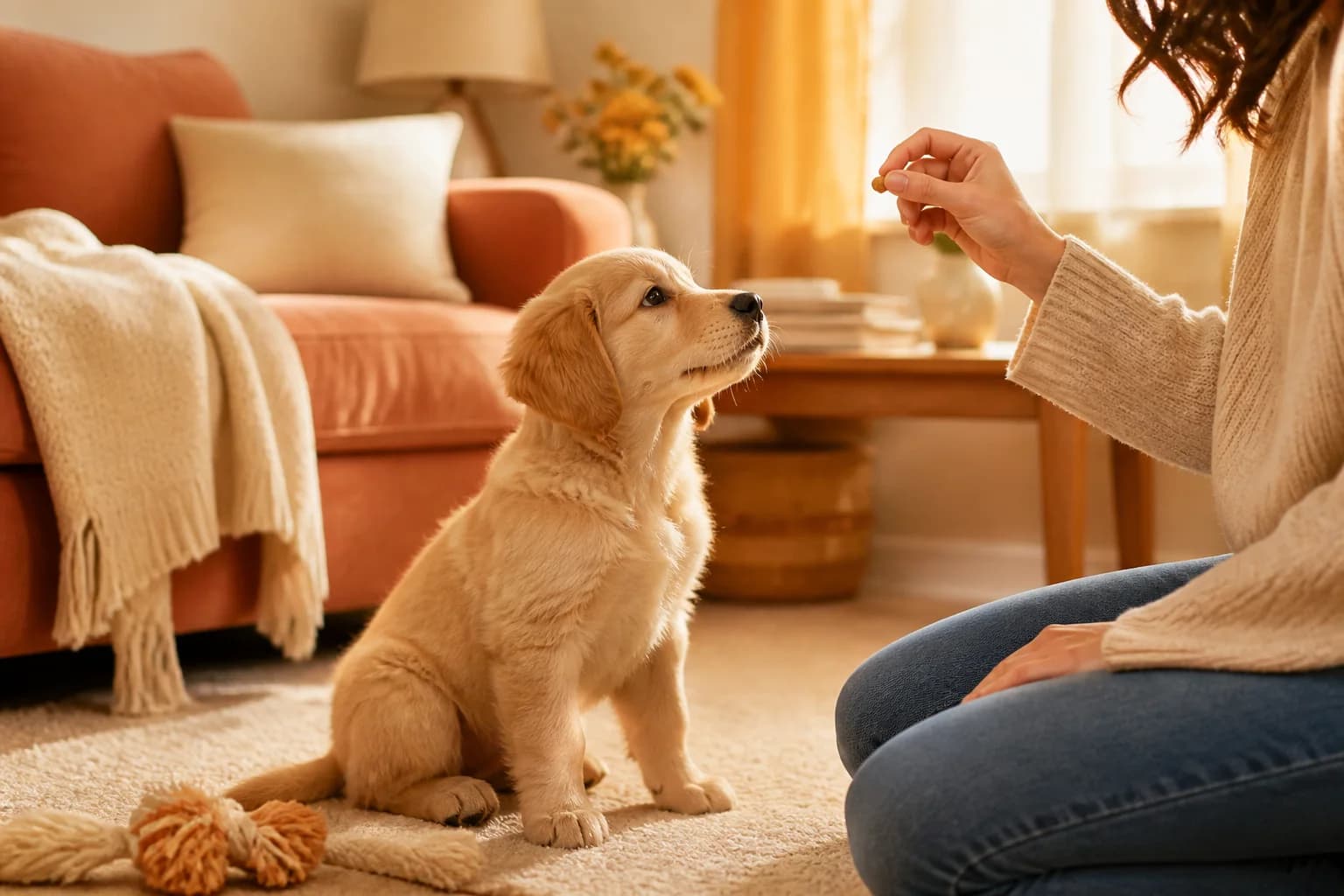
Choose the moment you are in
A guide should answer one useful question, not create an entire second curriculum. Pick the situation that is making daily life harder and take one clear idea into practice.
Begin with puppy foundations, potty rhythm, crate comfort, and sessions short enough to end well.
Start puppy training at home →Build skills indoors first, pay generously, and raise distraction without turning every walk into a test.
Start loose-leash practice →Work on barking, alone time, greetings, and settling with kind setup changes and repeatable short drills.
Build a calmer home plan →
From tonight’s setup to the stamp that says “train next”, so you open the app and know exactly what to do.
7 min read · Updated August 10, 2026Read guide →
Five clean minutes beat the heroic hour you never start. Here is how to structure repetitions, rewards, and endings.
6 min read · Updated August 10, 2026Read guide →Name games, potty rhythm, soft mouths, and tiny reward based sessions before anyone expects polished manners.
8 min read · Updated August 10, 2026Read guide →
Turn “better behaved” into teachable skills, fair criteria, and one primary focus, so practice has somewhere to land.
7 min read · Updated August 10, 2026Read guide →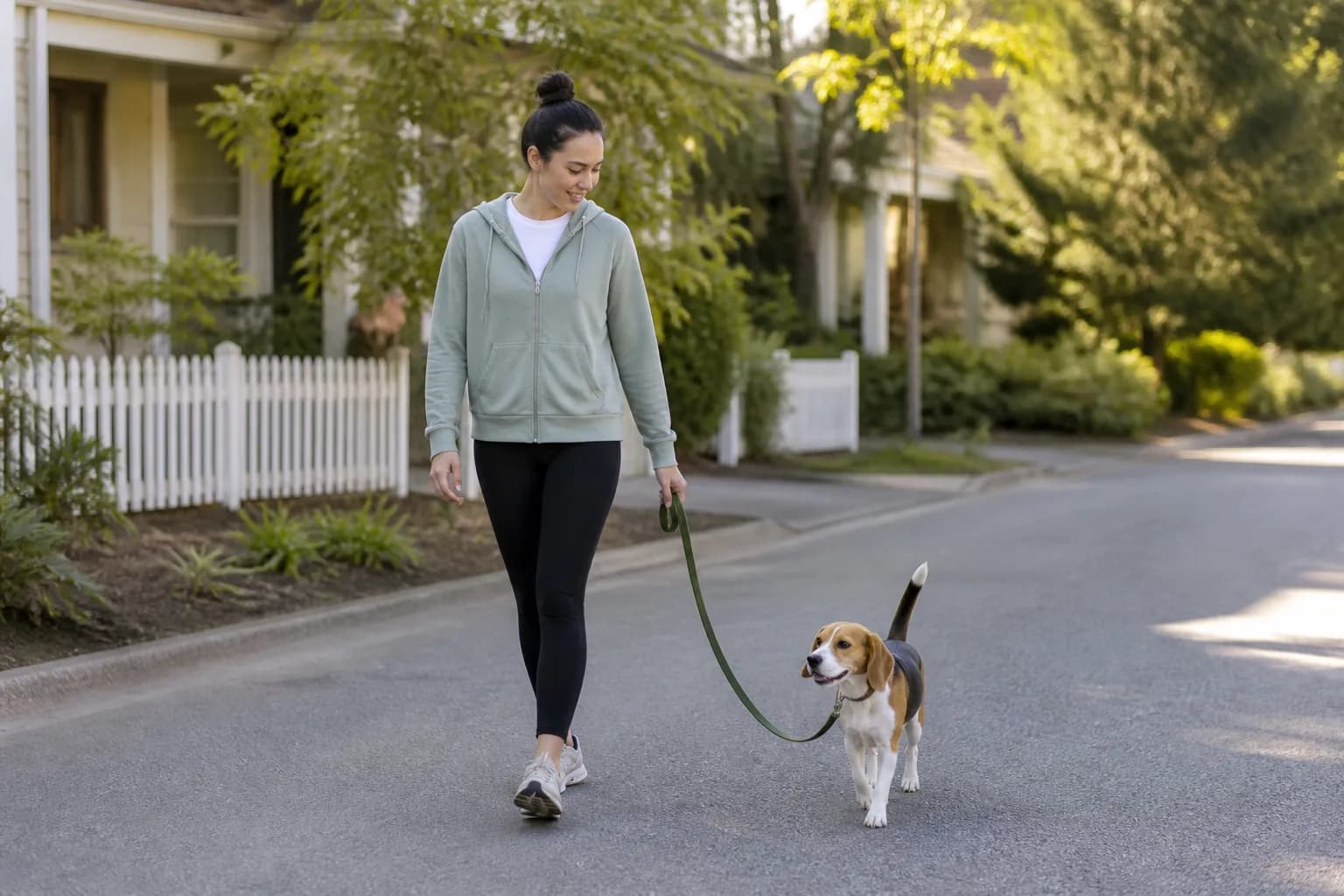
Teach walking near you with short reps, fair payoffs, and a distraction ladder, not a tug-of-war to the corner store.
8 min read · Updated August 10, 2026Read guide →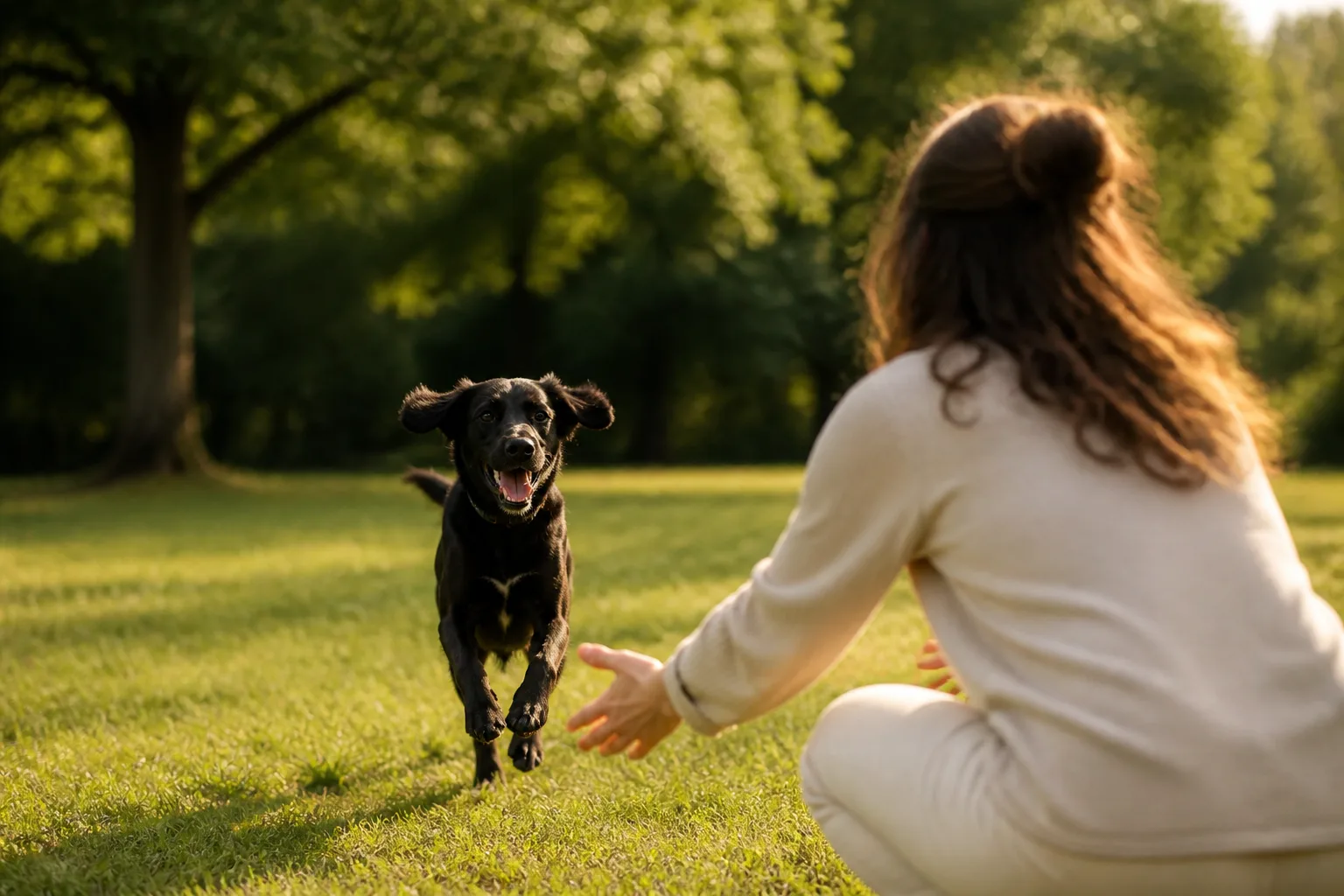
Install recall as a jackpot channel: easy starts, generous pay, long-line proofing, before you gamble on true freedom.
8 min read · Updated August 10, 2026Read guide →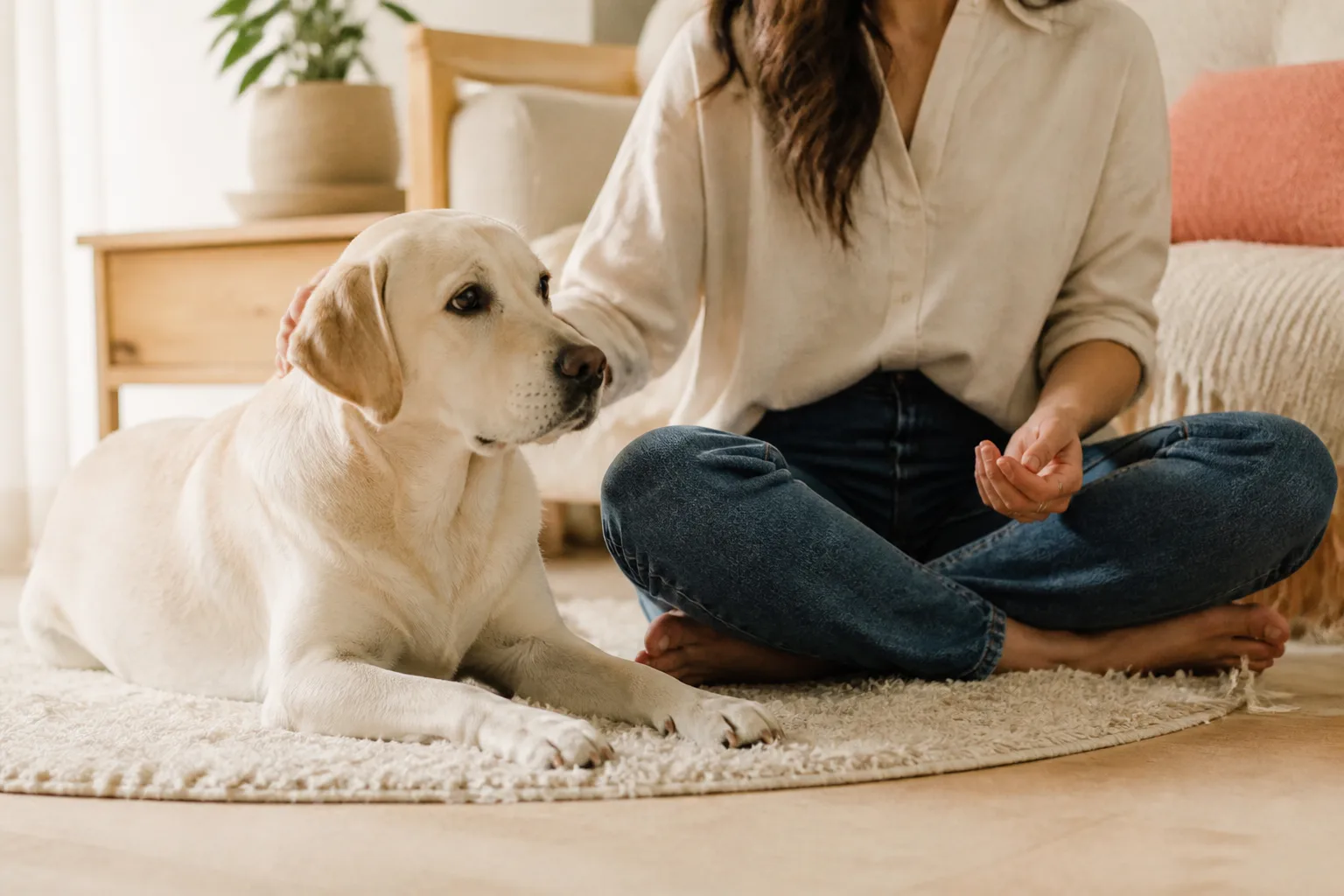
Cut the rehearsal loop with management, a paid alternate behavior, and short drills, before you escalate to yelling “quiet.”
7 min read · Updated August 10, 2026Read guide →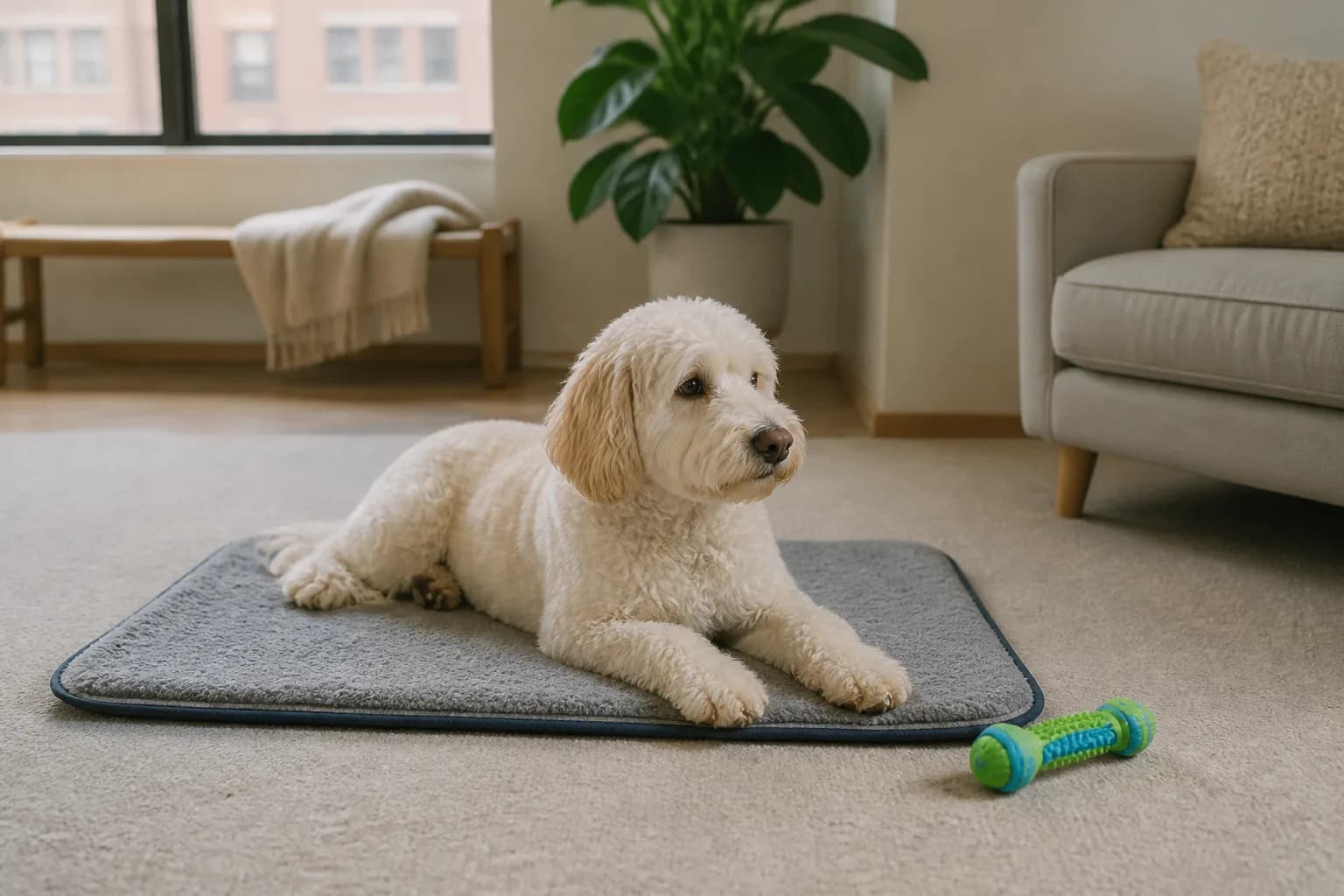
Teach short departures kindly with a safe space, enrichment, and gradual steps, without rehearsing panic.
8 min read · Updated August 10, 2026Read guide →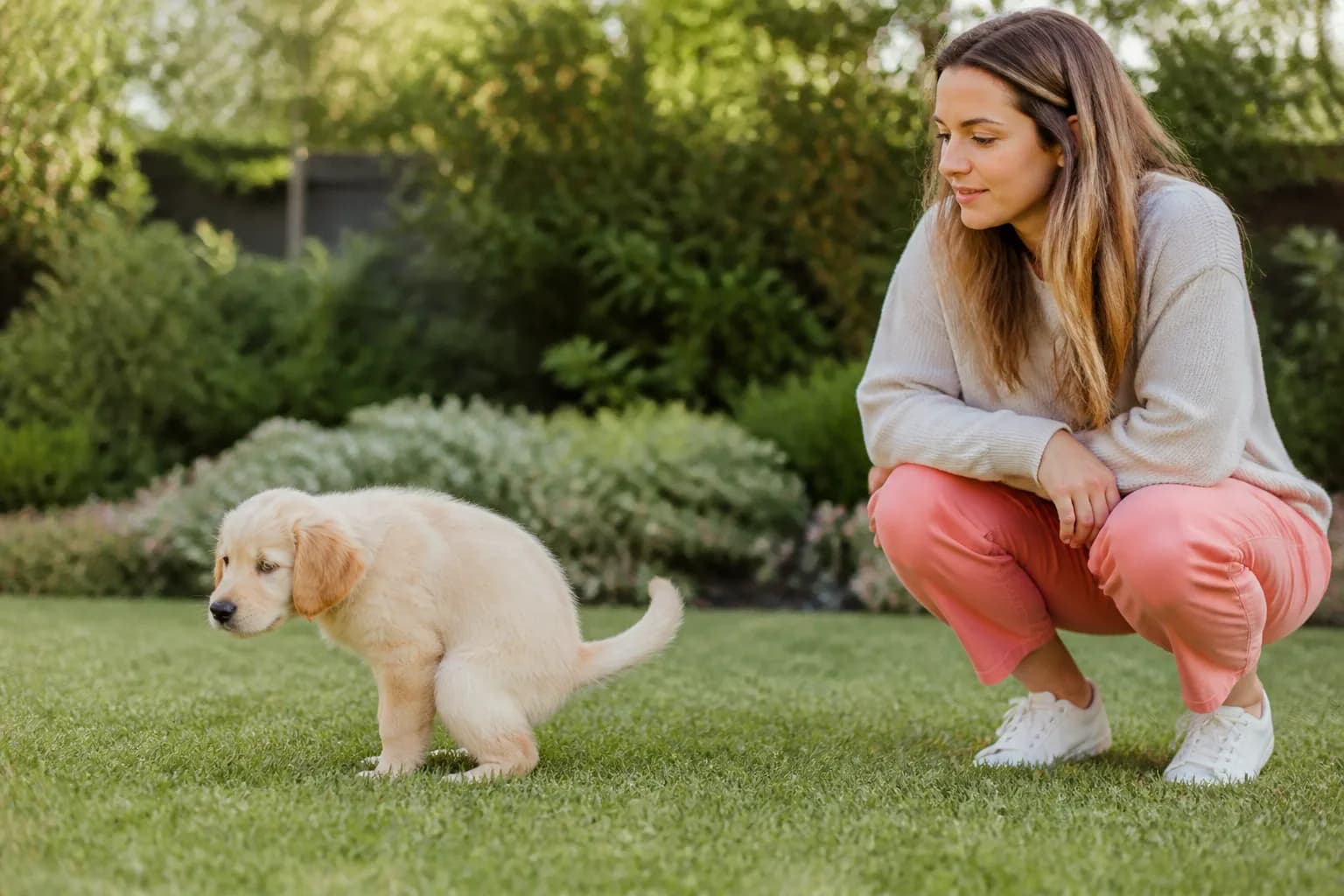
Timing, supervision, outdoor praise, and a simple log, without shame spirals when the rug gets involved.
7 min read · Updated August 10, 2026Read guide →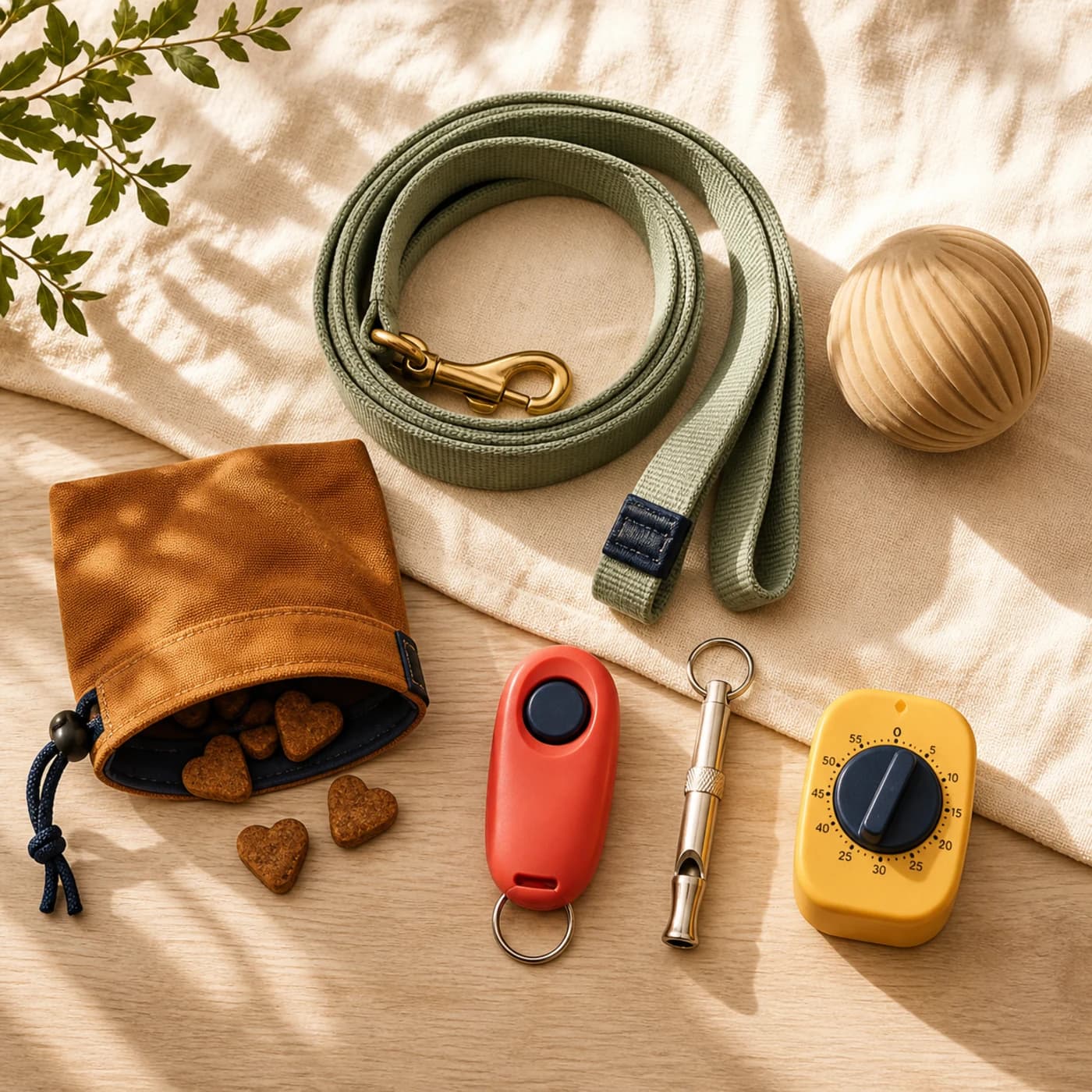
Mark the exact right moment, then pay. Clear sounds beat muddy “good dogs” shouted half a second late.
7 min read · Updated August 10, 2026Read guide →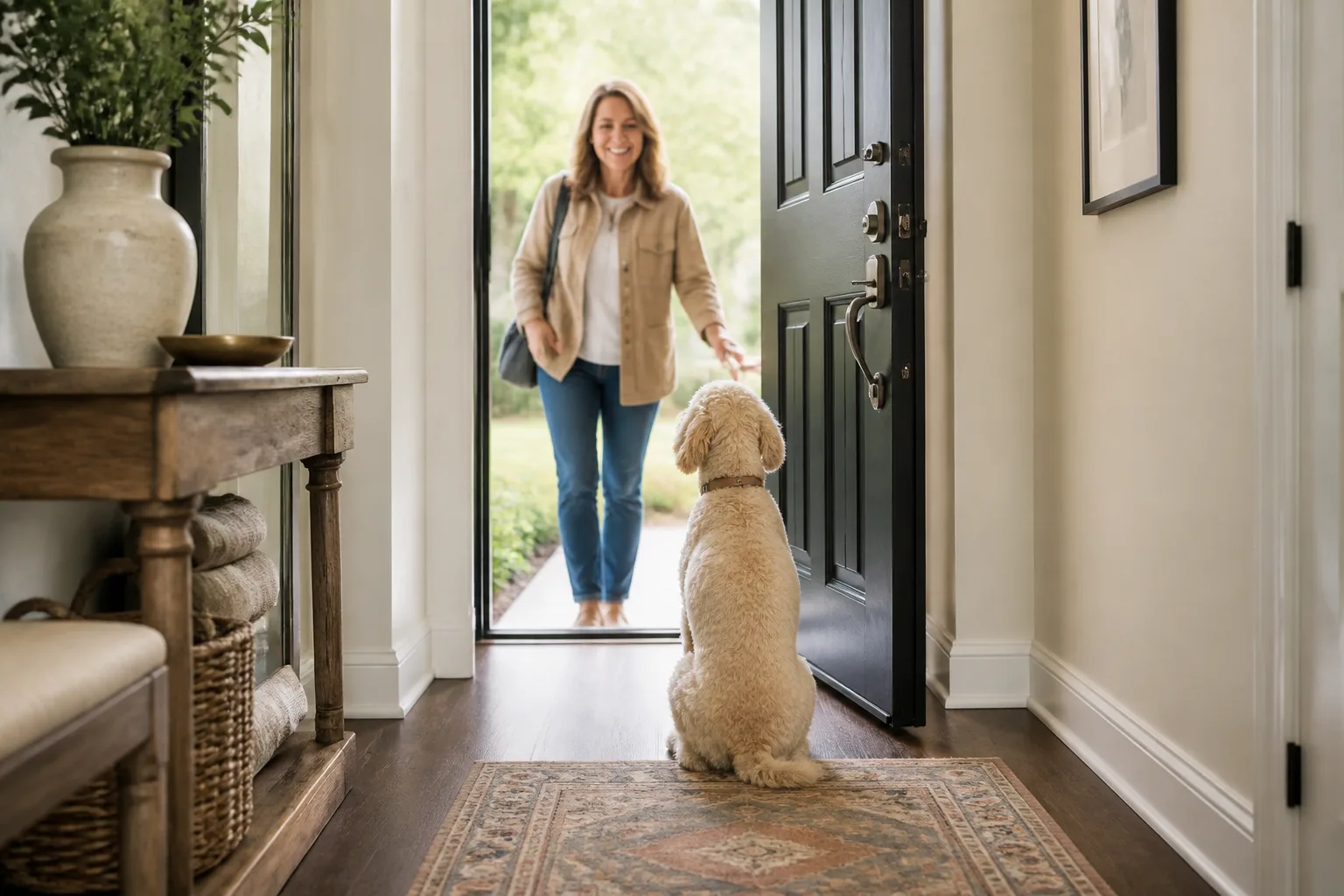
Swap jumping and hallway dashes for four paws on the floor greets, with setup, drills, and a plan for real visitors.
7 min read · Updated August 10, 2026Read guide →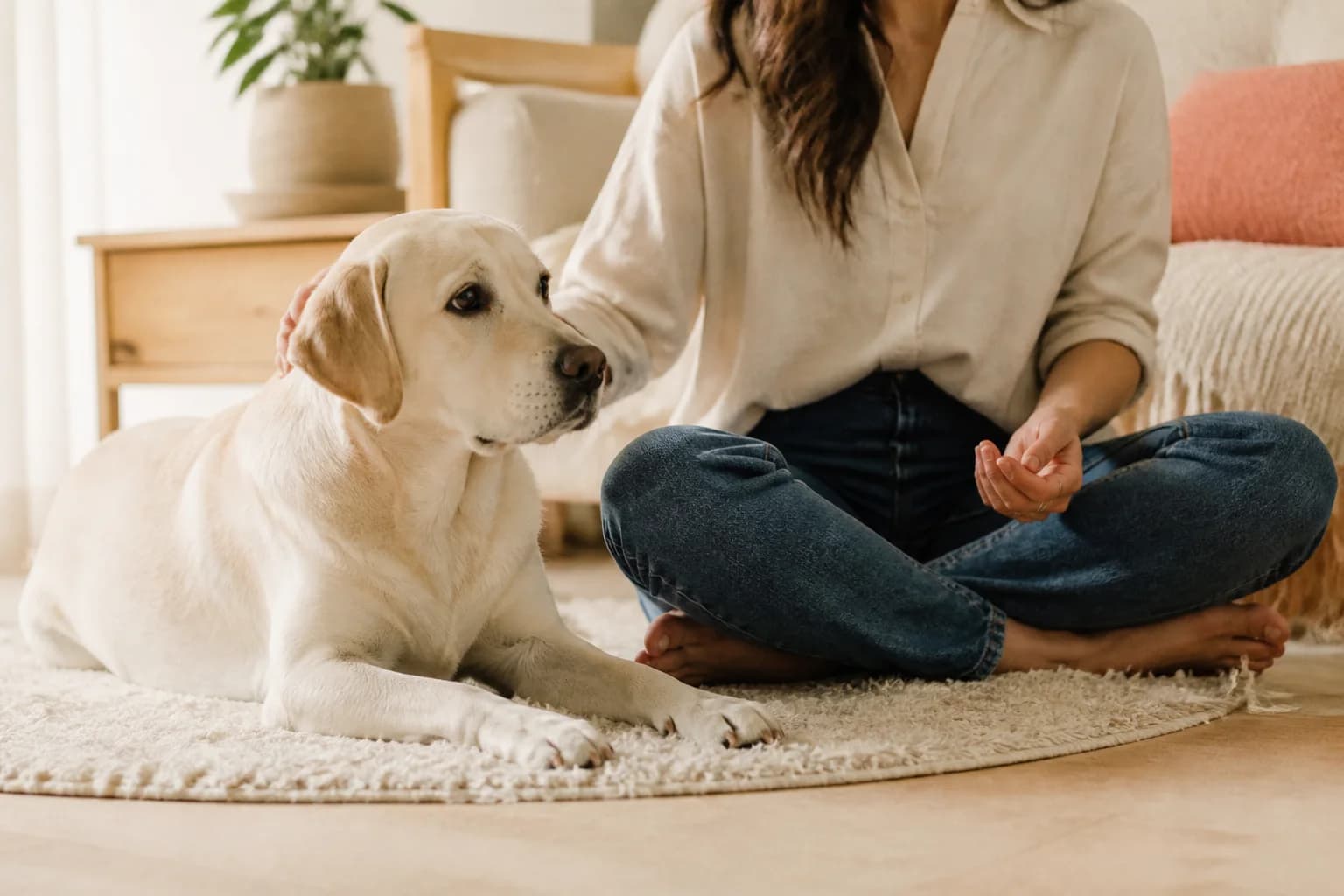
Build a crate your dog chooses, free entry, calm payoffs, and crate door time measured in seconds first.
8 min read · Updated August 10, 2026Read guide →Teach four paws on the floor, control access to greetings, and give visitors a routine they can actually follow.
10 min read · Updated August 12, 2026Read guide →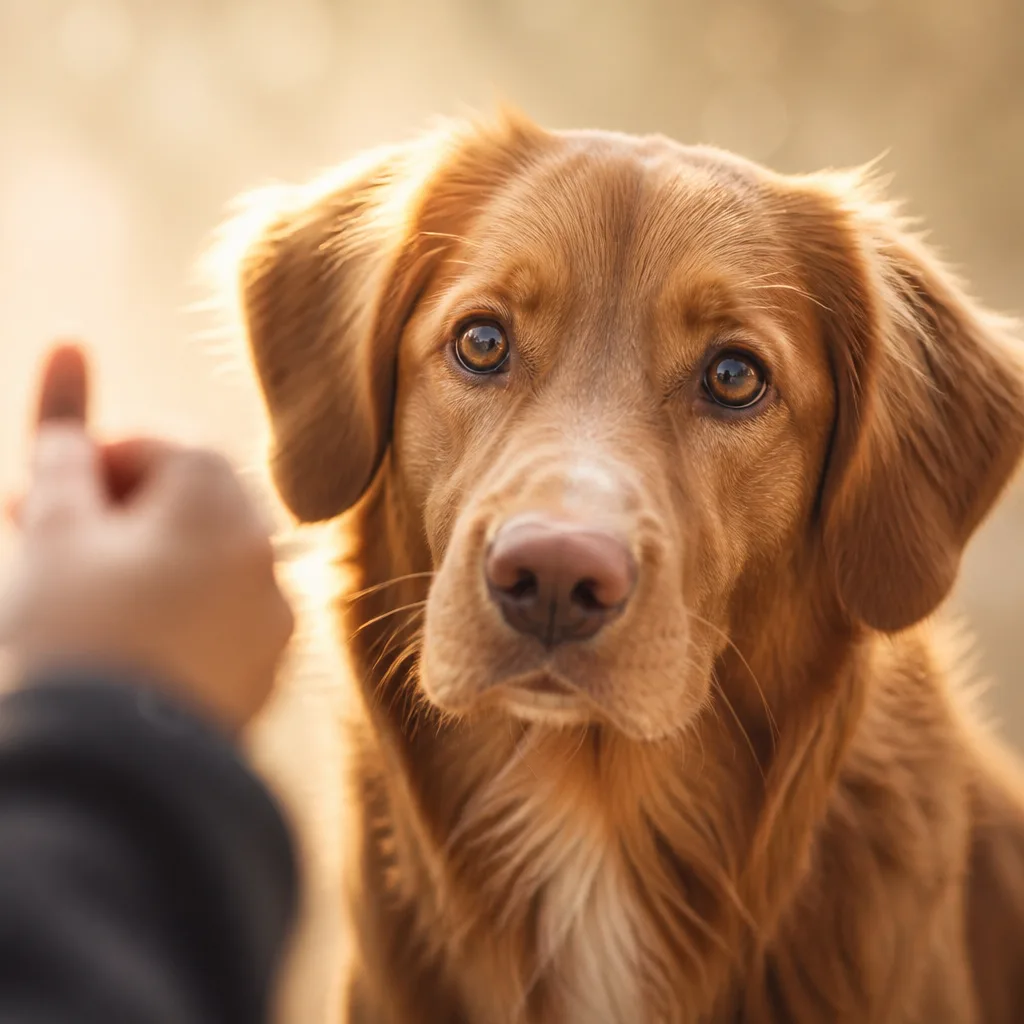
Rebuild attention, protect recall, and balance freedom with management through the teenage stage.
11 min read · Updated August 12, 2026Read guide →Choose rewards your dog values, mark cleanly, and deliver in a place that makes the next repetition easier.
10 min read · Updated August 12, 2026Read guide →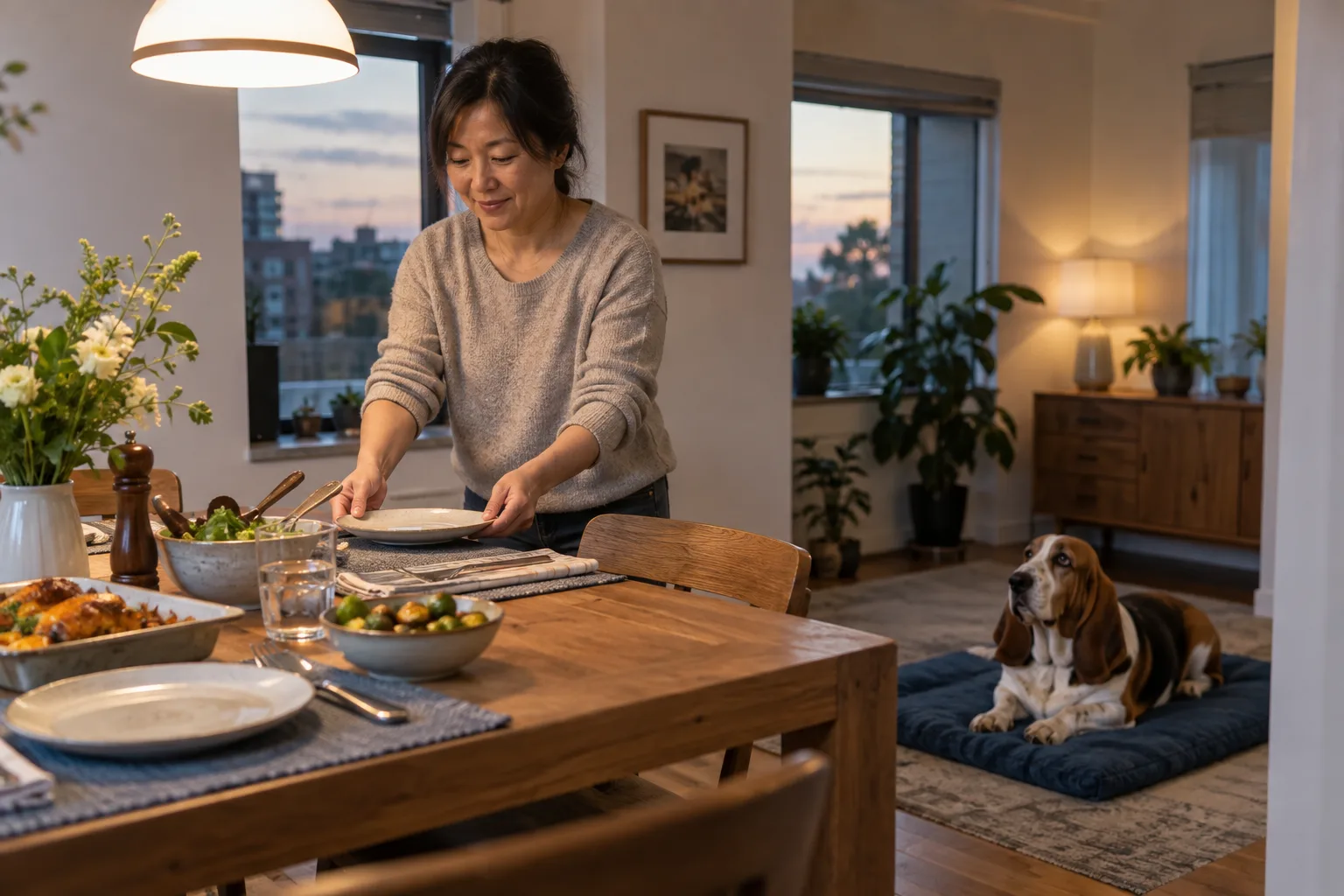
Keep dinner predictable: remove table payoffs, teach a comfortable place away from plates and rehearse in short, recordable steps.
11 min read · Updated September 26, 2026Read guide →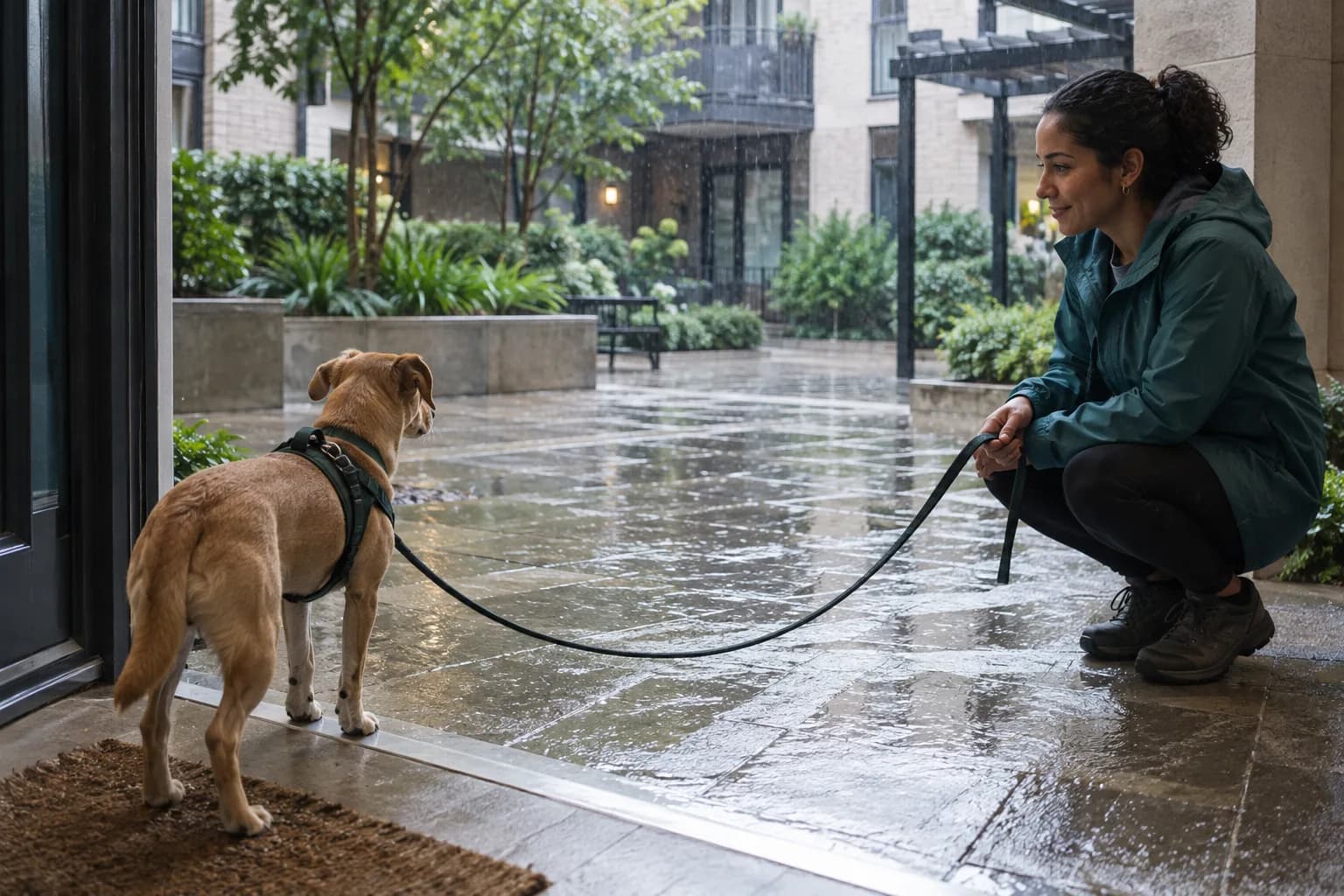
Make the next wet-weather outing smaller and kinder: prepare a dry return, practise a voluntary doorway step and choose a sheltered toilet route.
11 min read · Updated September 25, 2026Read guide →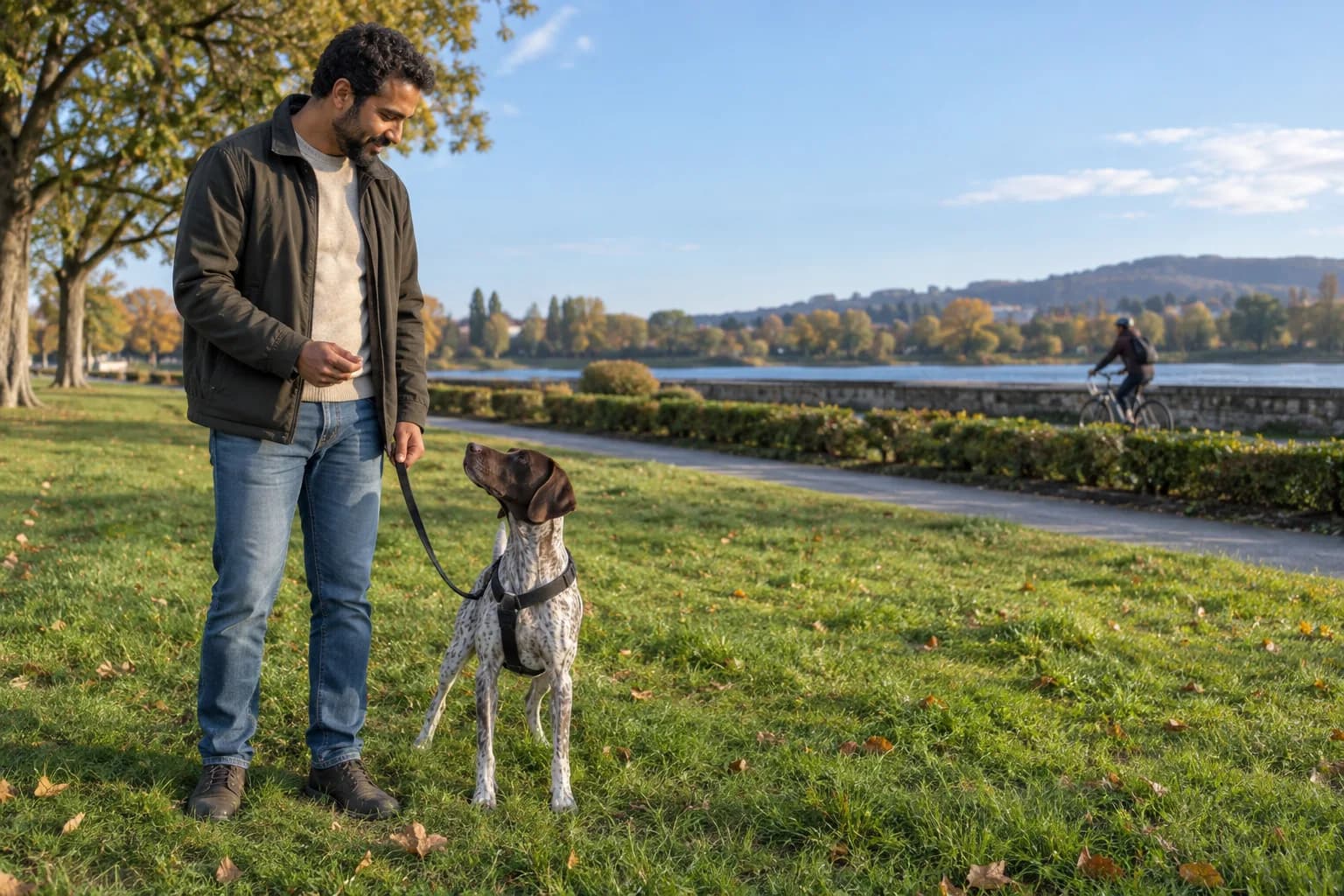
Create space before a bike passes, reward a visible check-in and keep a short record that makes the next walk easier to plan.
11 min read · Updated September 24, 2026Read guide →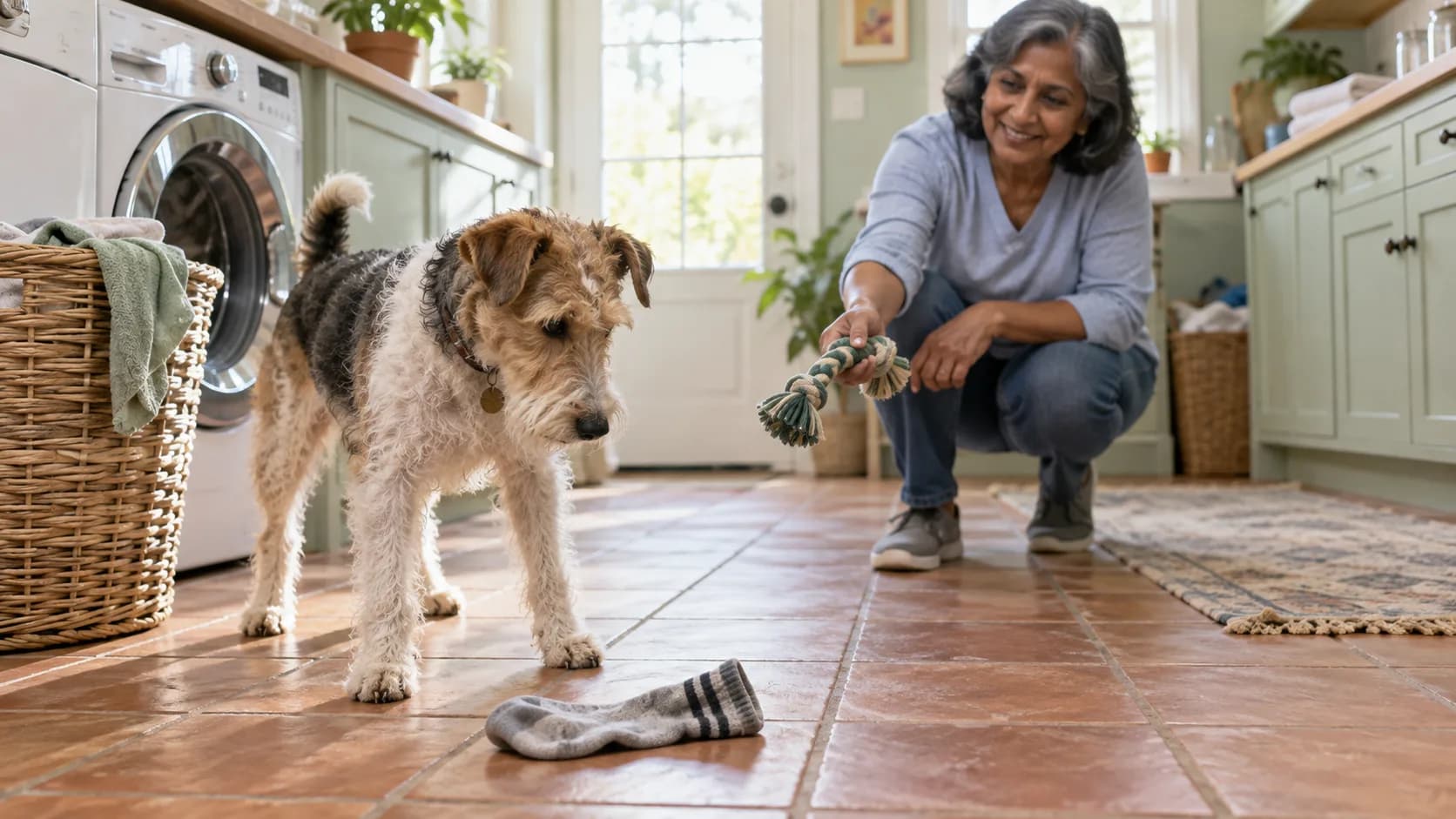
A practical plan for putting socks out of reach, trading without a chase, and knowing when a swallowed item needs a vet.
11 min read · Updated September 23, 2026Read guide →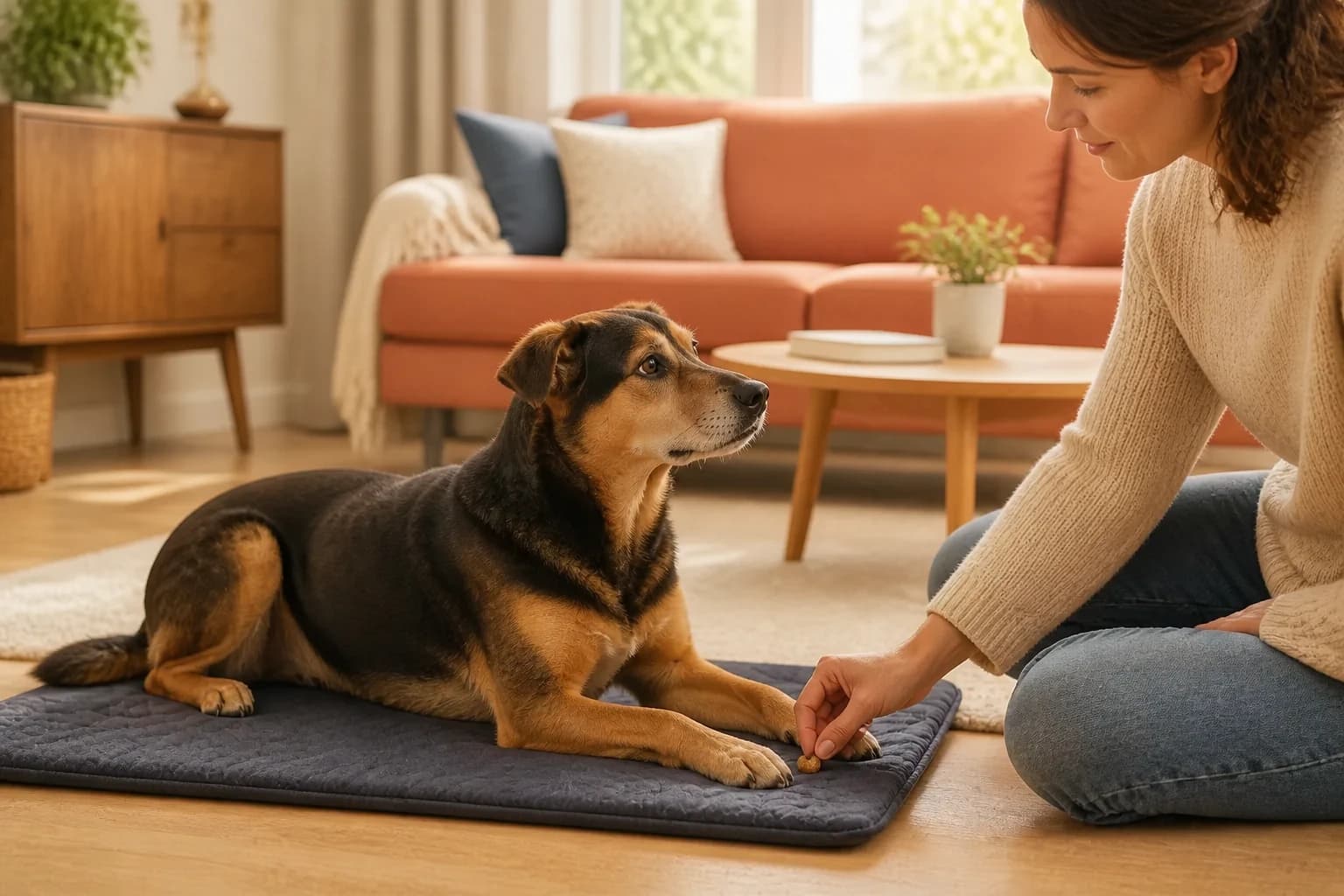
Build a portable place for calm with clear rewards, a release cue, and small steps that work beyond the living room.
8 min read · Updated August 21, 2026Read guide →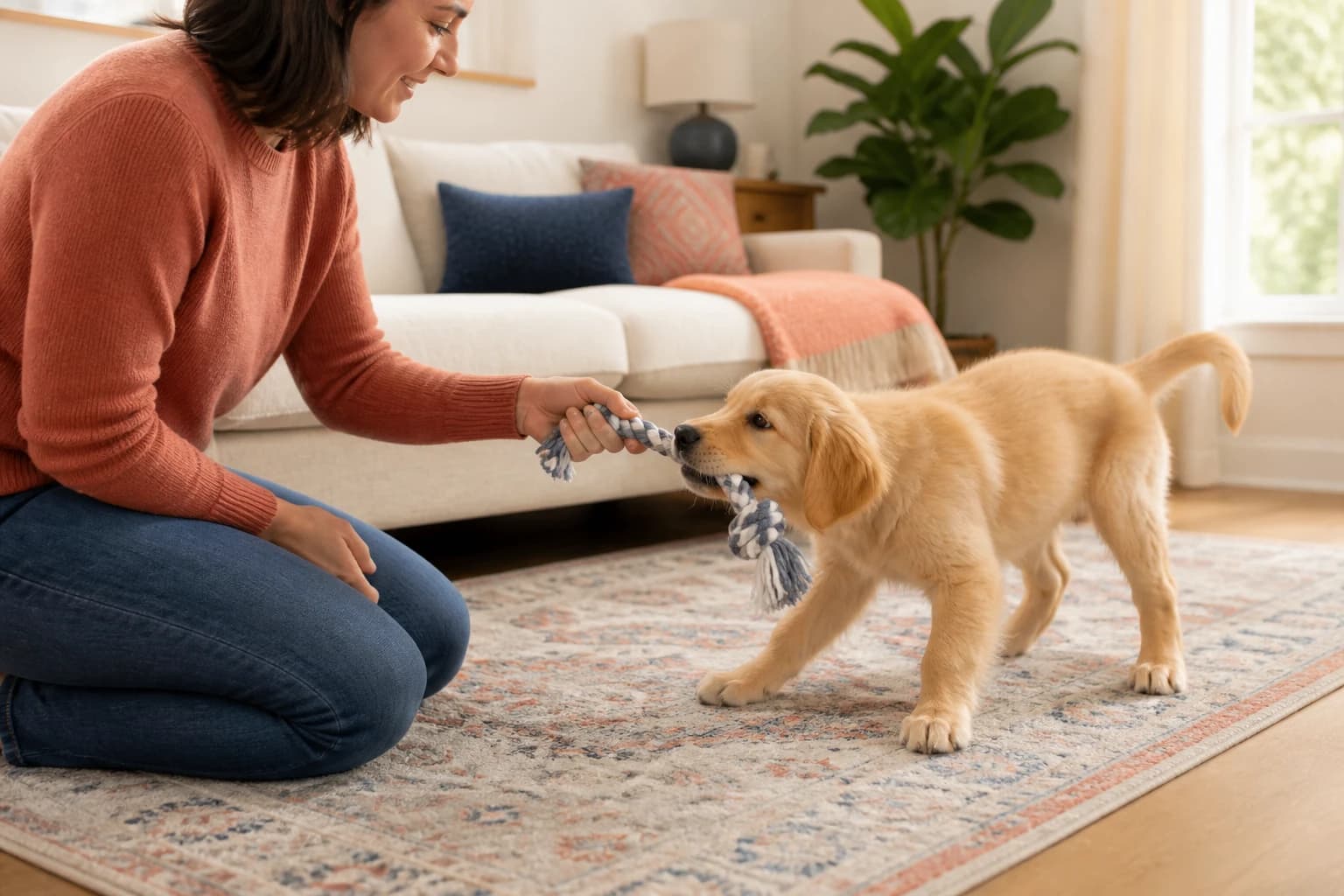
Understand why puppies mouth, protect hands and clothes, and teach softer choices without fear or physical punishment.
8 min read · Updated August 22, 2026Read guide →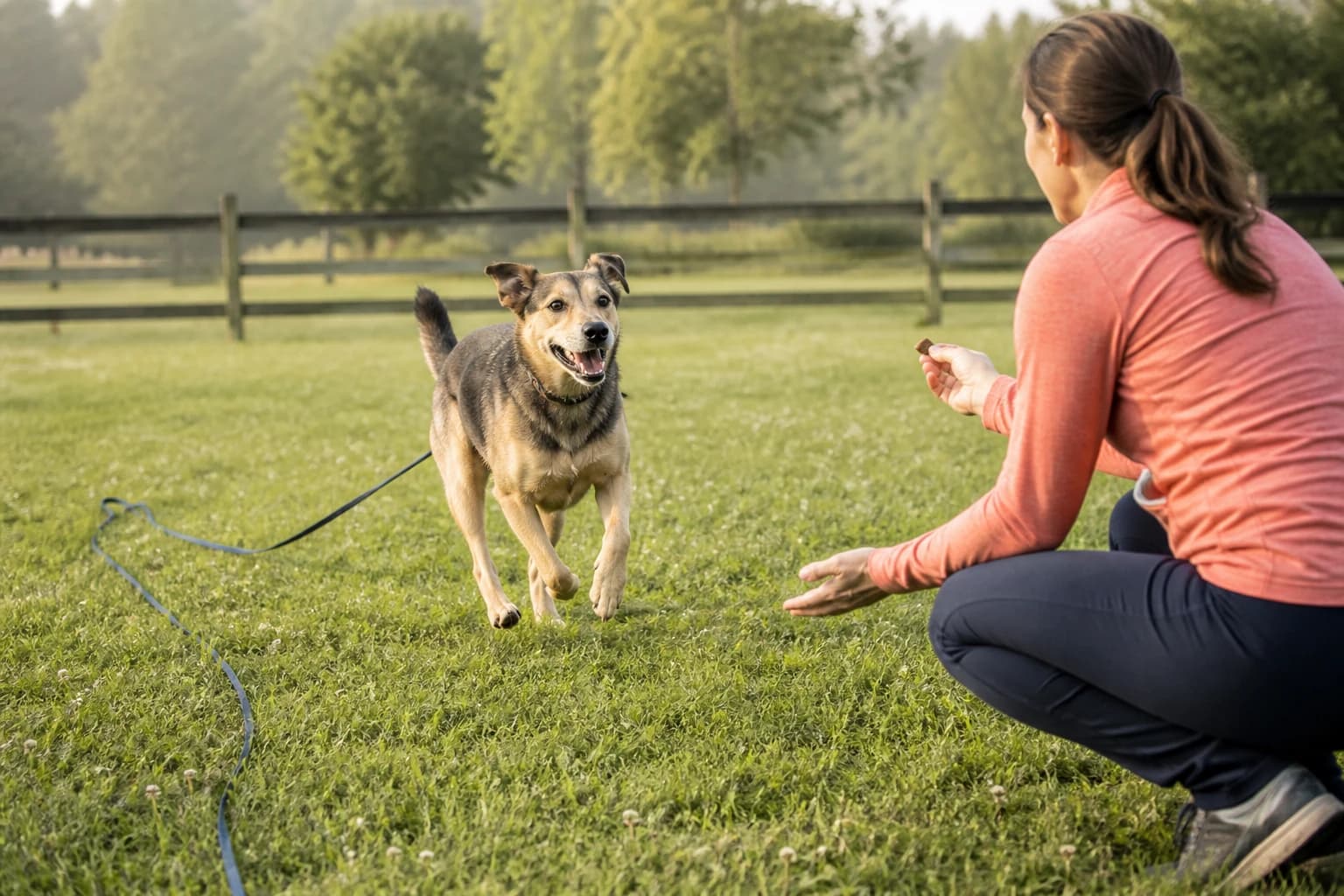
Five short games that build speed, attention, and trust without risking freedom before the skill is ready.
8 min read · Updated August 23, 2026Read guide →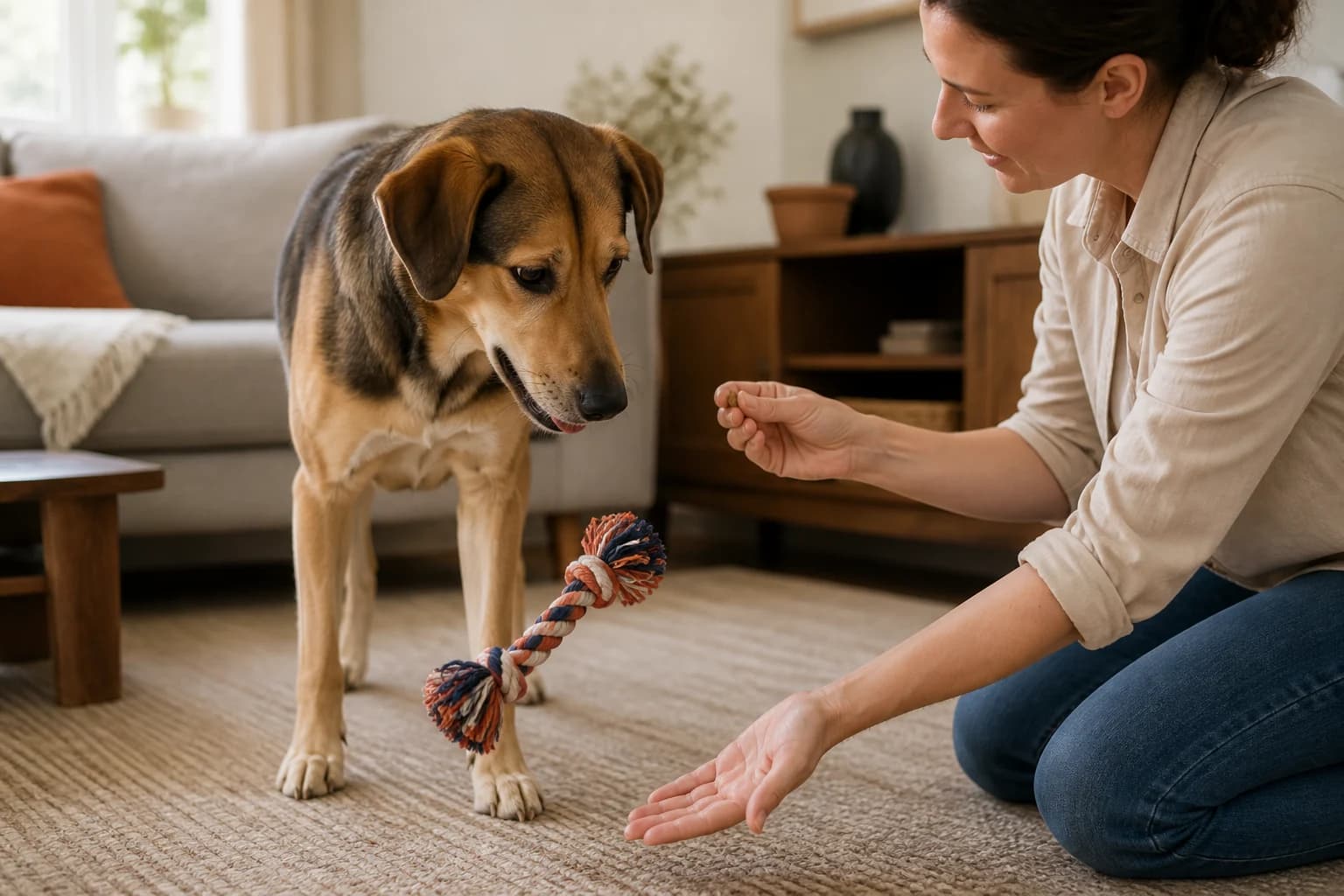
Turn releasing a toy into a predictable exchange, then build the cue without chasing, grabbing, or starting a tug-of-war.
8 min read · Updated August 24, 2026Read guide →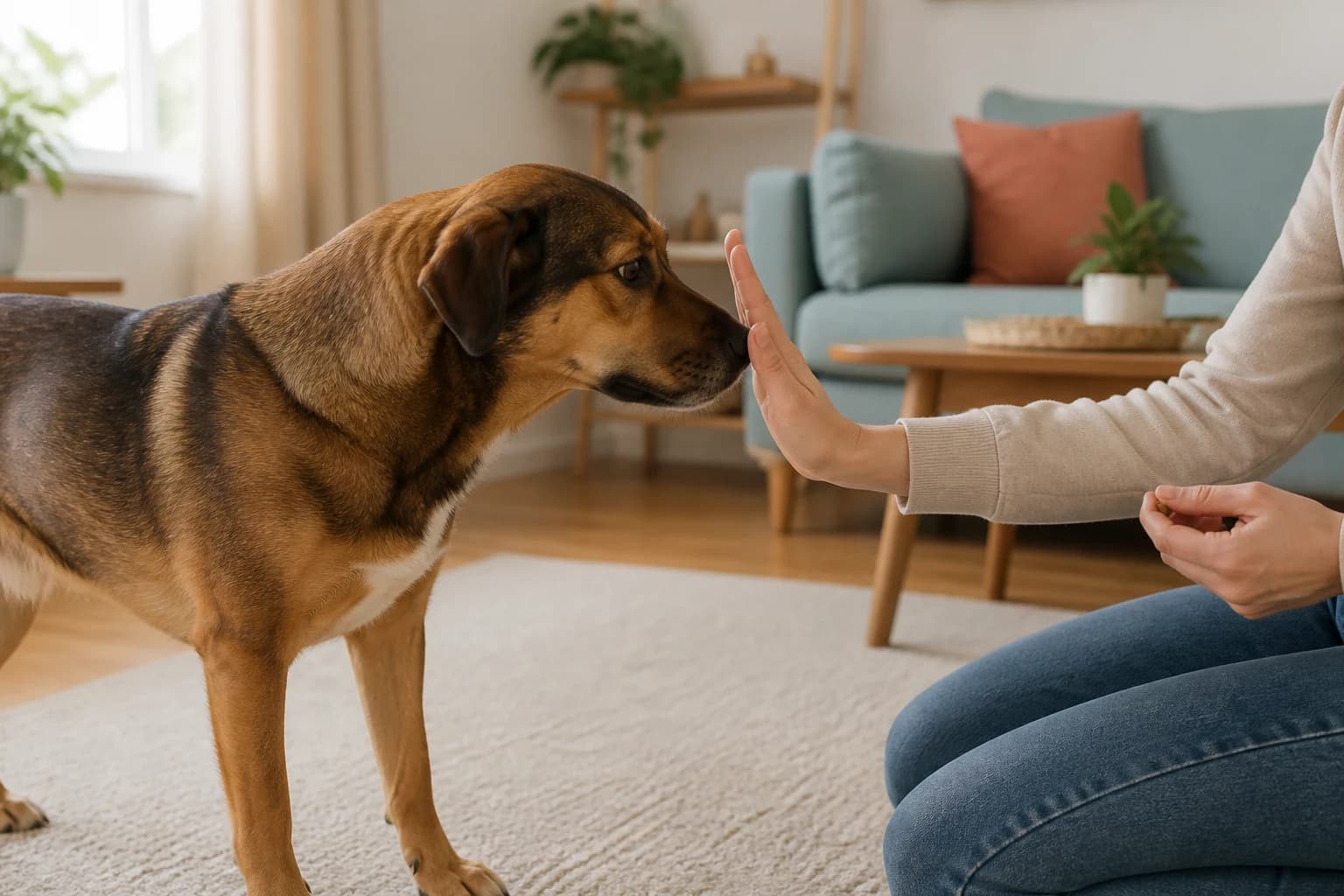
Teach your dog to touch an open palm on cue, then use the skill for movement, focus, grooming, and calmer everyday handling.
8 min read · Updated August 25, 2026Read guide →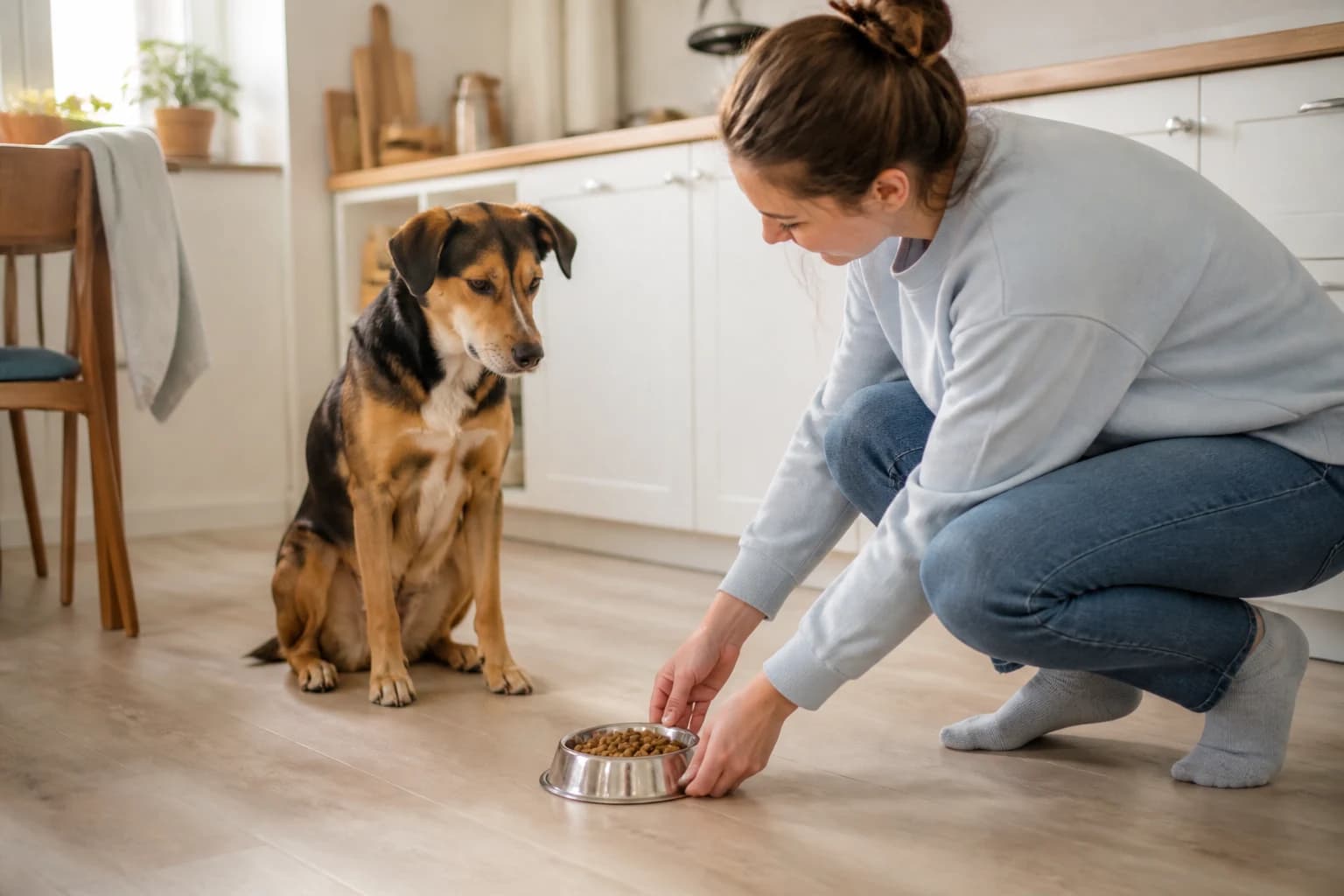
Build a calm pause and a clear release cue at mealtimes without teasing, looming, or turning the bowl into a test of endurance.
8 min read · Updated August 26, 2026Read guide →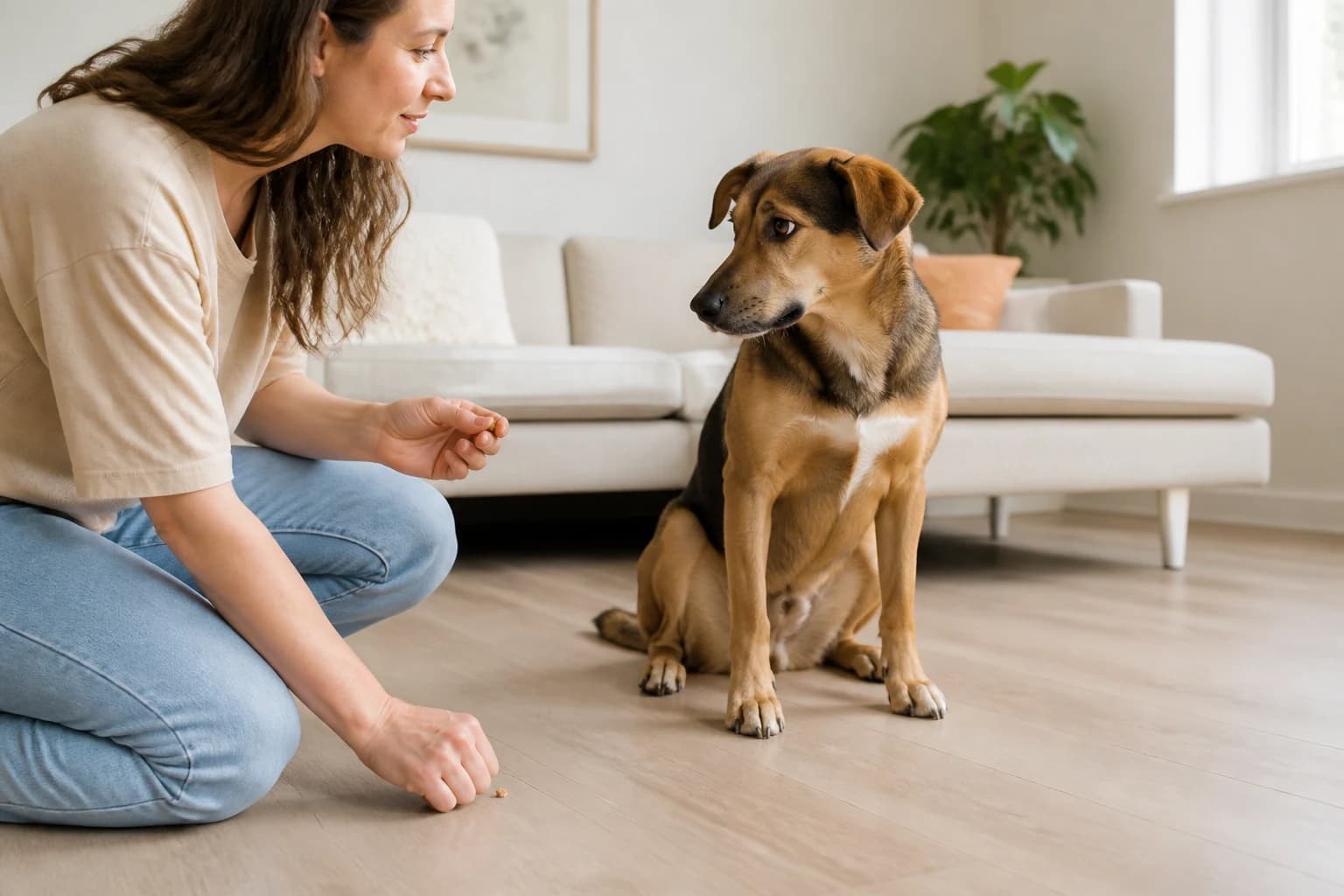
Teach your dog to turn away from food and everyday objects with a closed-hand setup, precise rewards, and safe progressions.
8 min read · Updated August 27, 2026Read guide →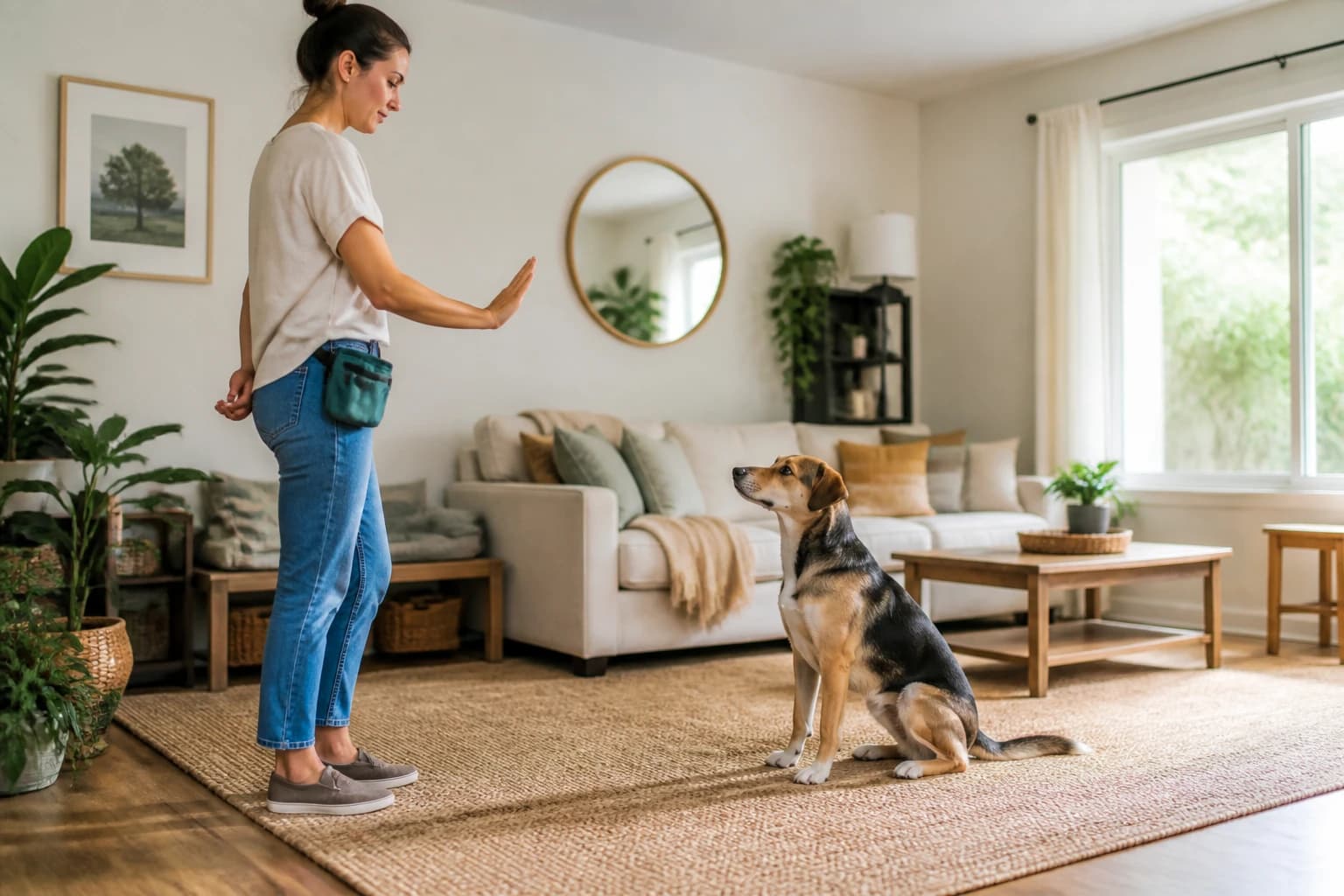
Build a useful stay with a clear release cue, tiny increases in time and distance, and rewards that make holding position worthwhile.
8 min read · Updated August 28, 2026Read guide →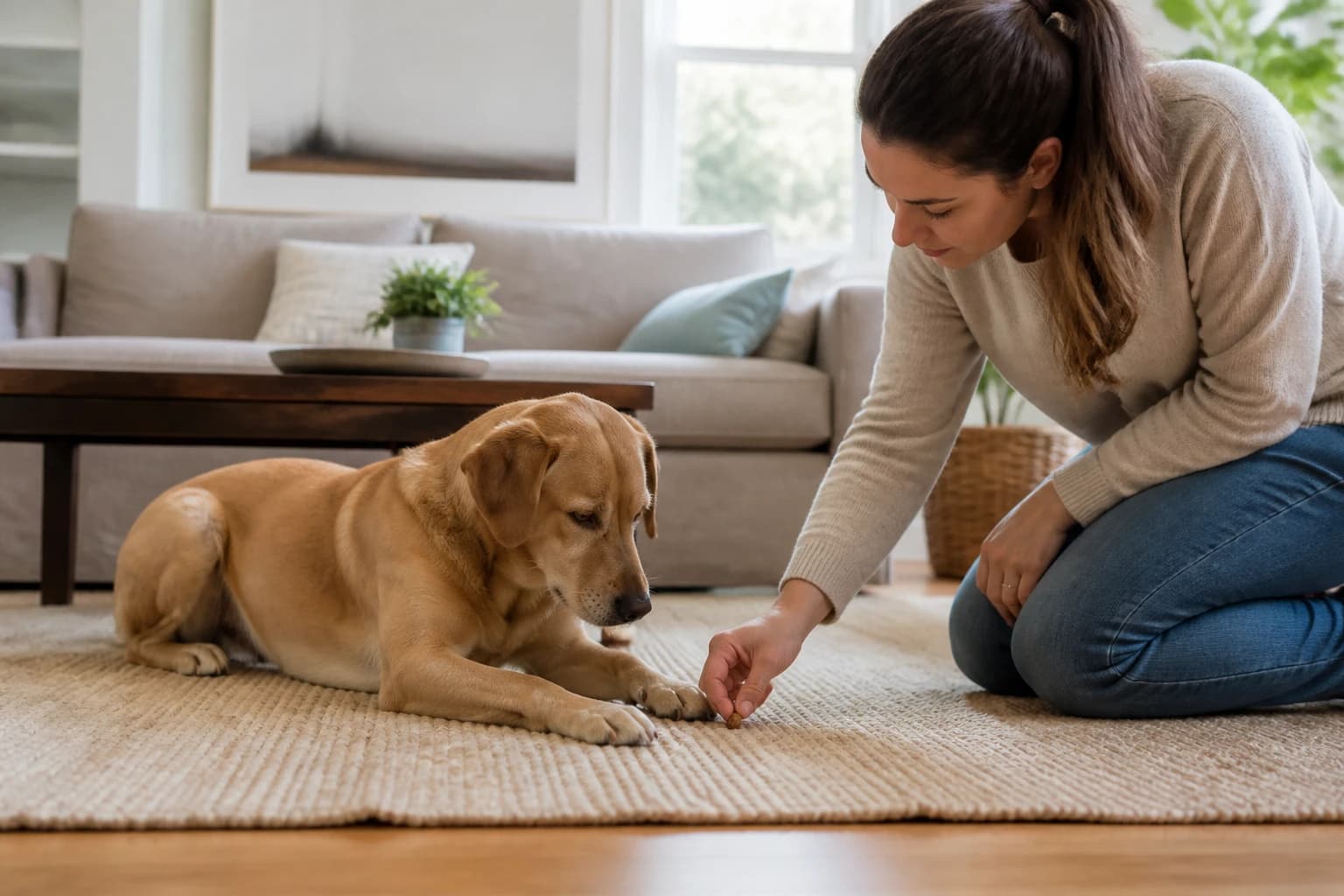
Teach a comfortable down by capturing or luring the movement, rewarding low between the paws, and adding the cue only when the behavior is predictable.
8 min read · Updated August 29, 2026Read guide →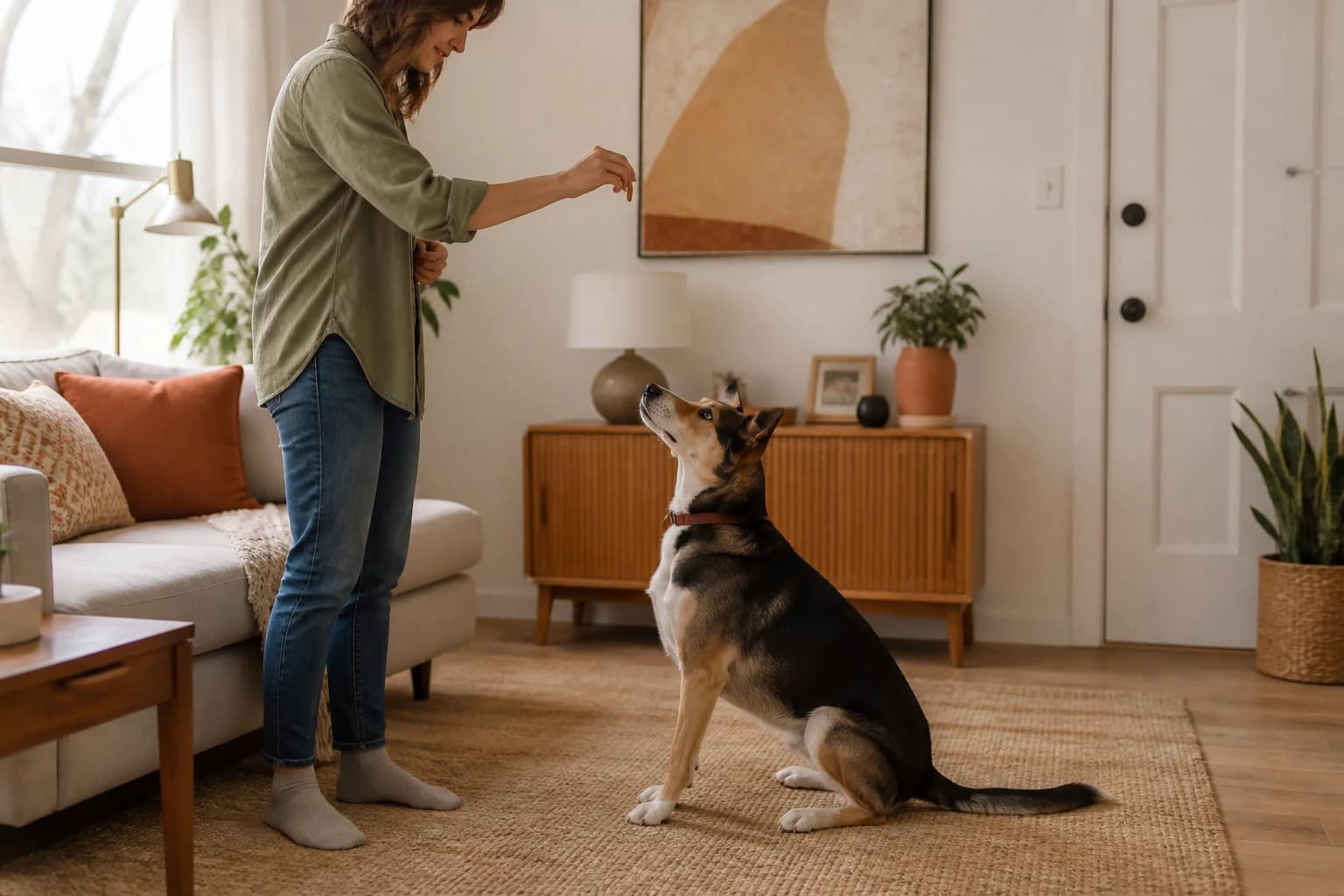
Build a comfortable sit with one clear hand motion, precise rewards, a release cue, and short practice that works beyond the kitchen.
8 min read · Updated August 30, 2026Read guide →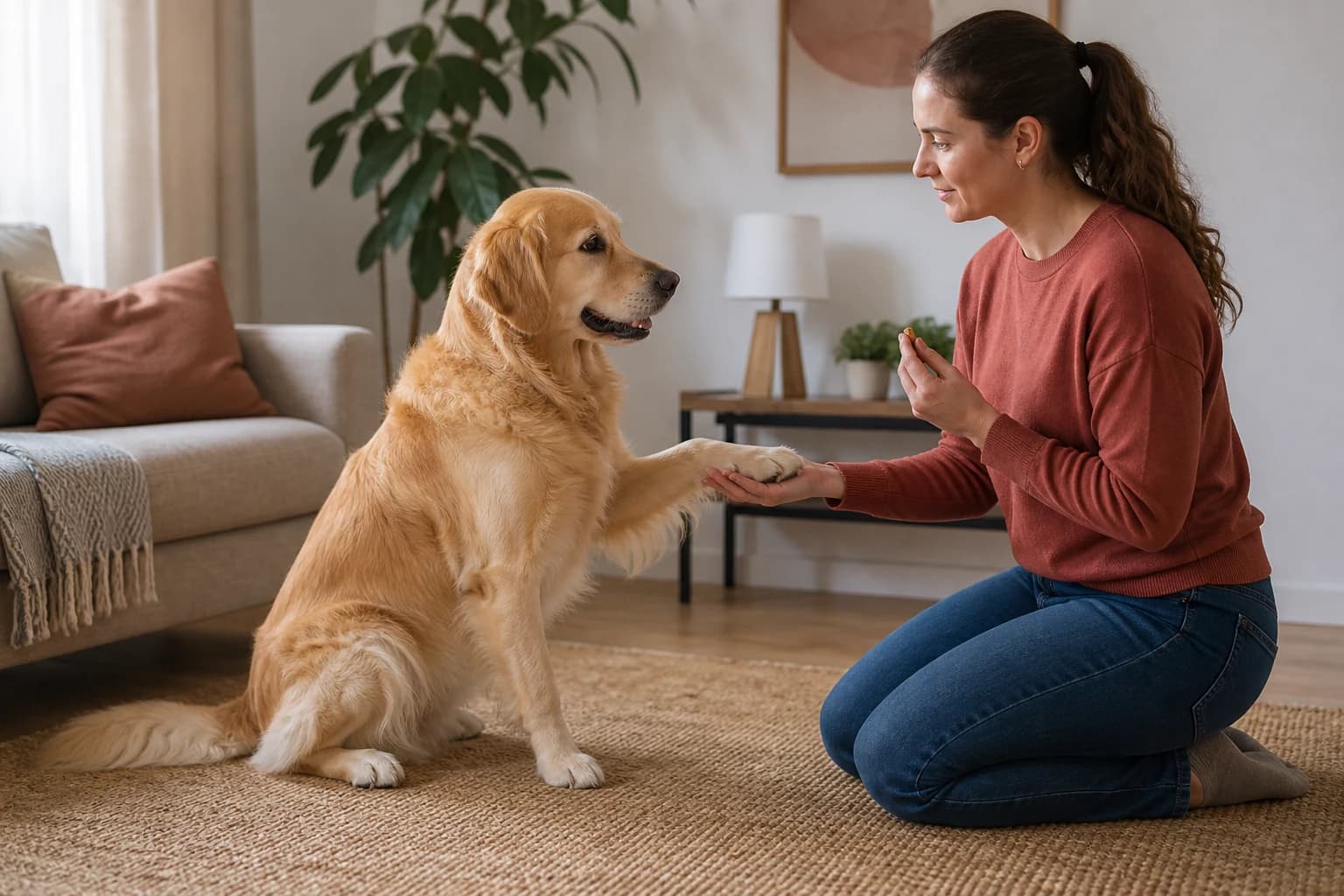
Capture one voluntary paw lift, reward a soft touch, add an open-hand target, and teach a friendly shake without grabbing the leg.
8 min read · Updated August 31, 2026Read guide →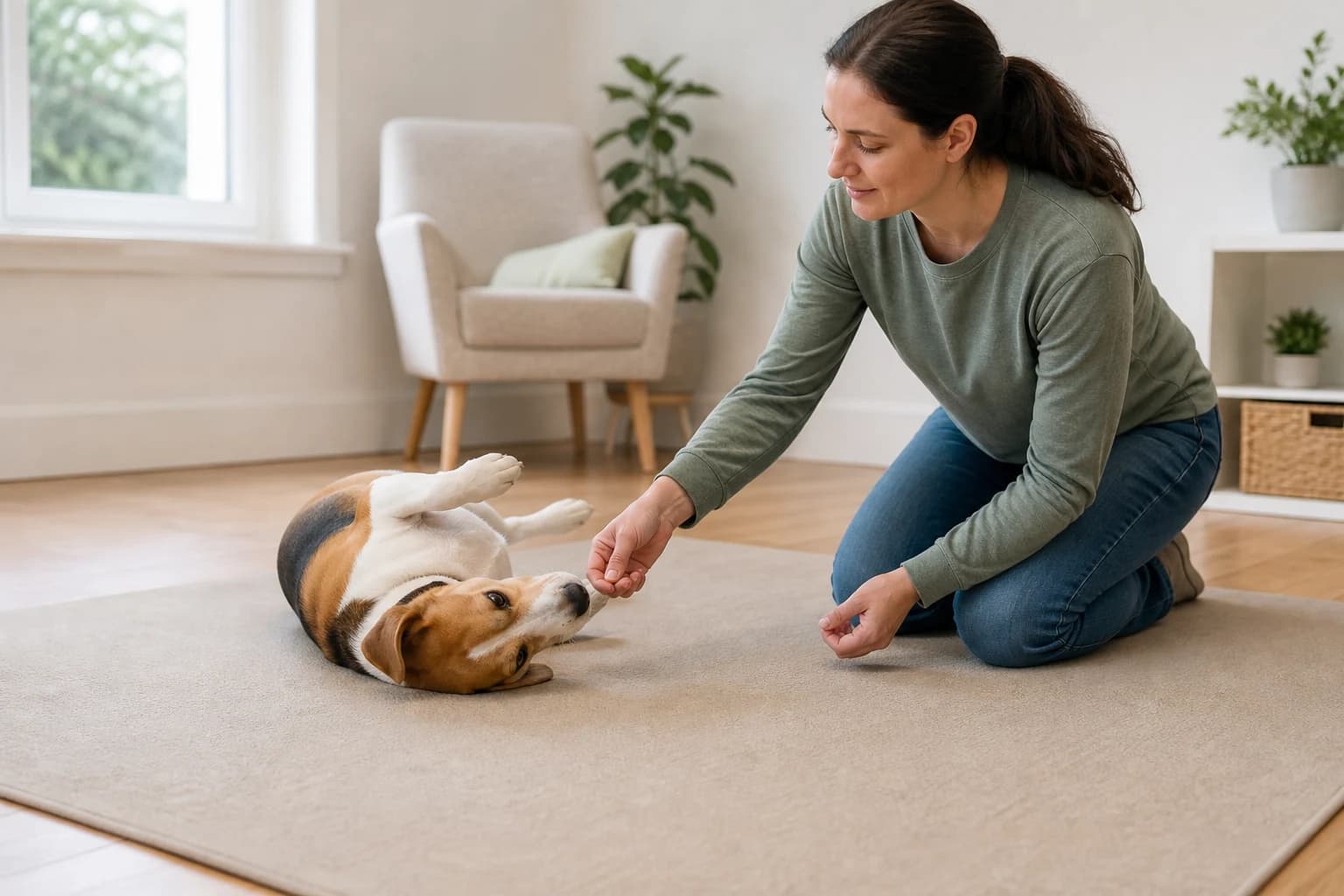
Build a comfortable side position, guide one easy turn, and add the cue only after your dog can complete the movement willingly.
9 min read · Updated September 1, 2026Read guide →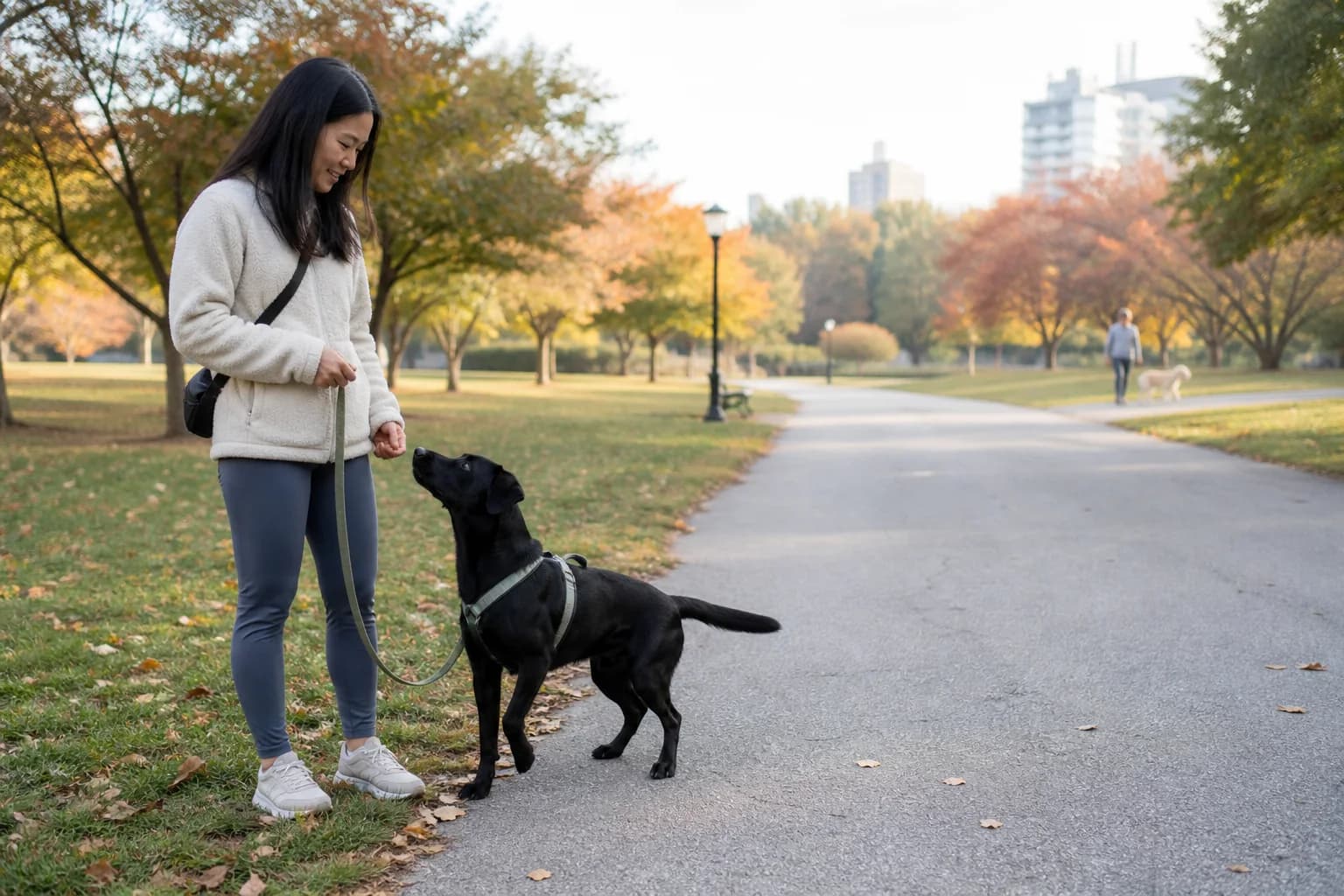
Create enough distance to think, reward voluntary check-ins, and change one part of the encounter at a time.
12 min read · Updated September 2, 2026Read guide →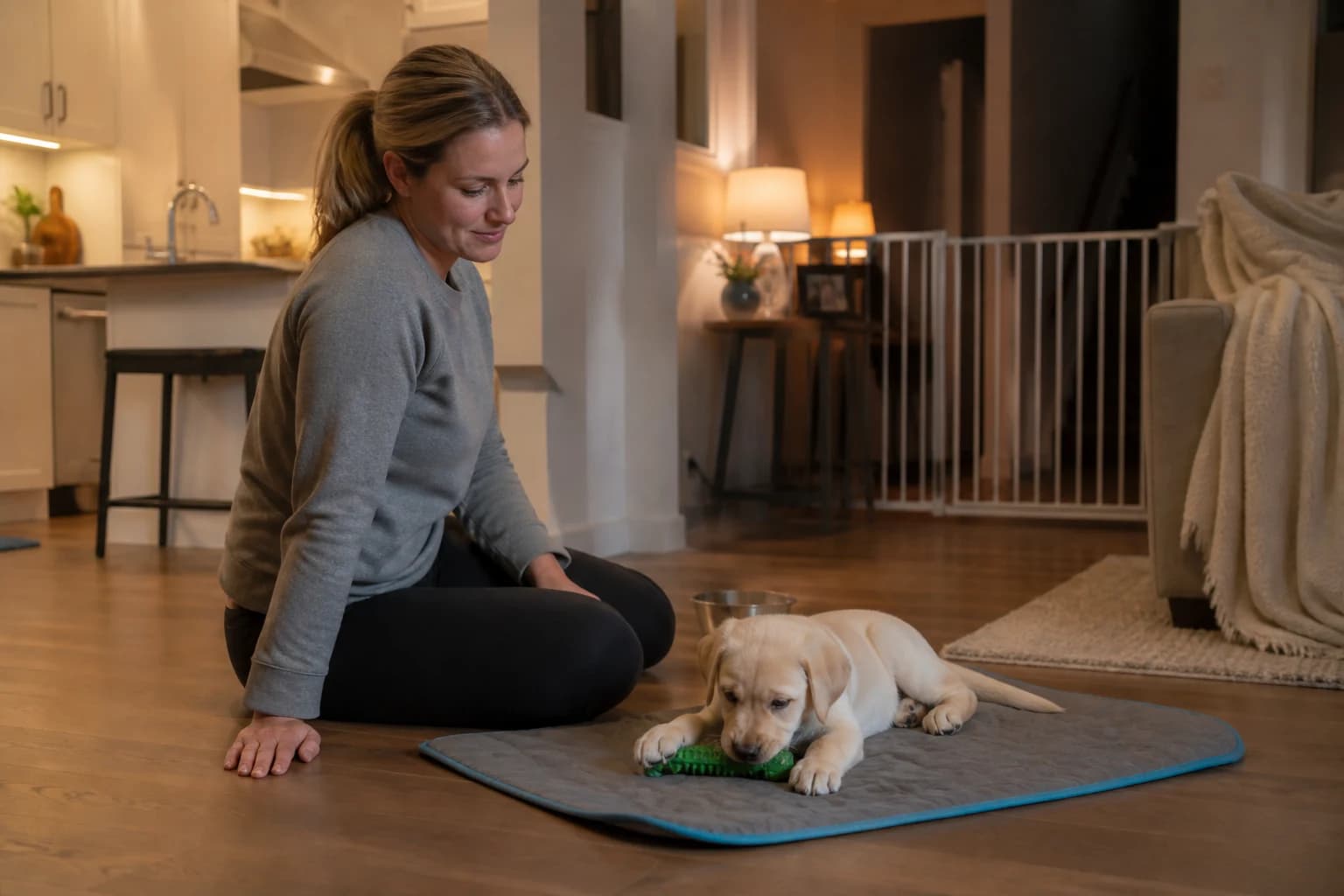
Replace frantic evening improvisation with a predictable sequence for needs, decompression, quiet choices, and sleep.
12 min read · Updated September 3, 2026Read guide →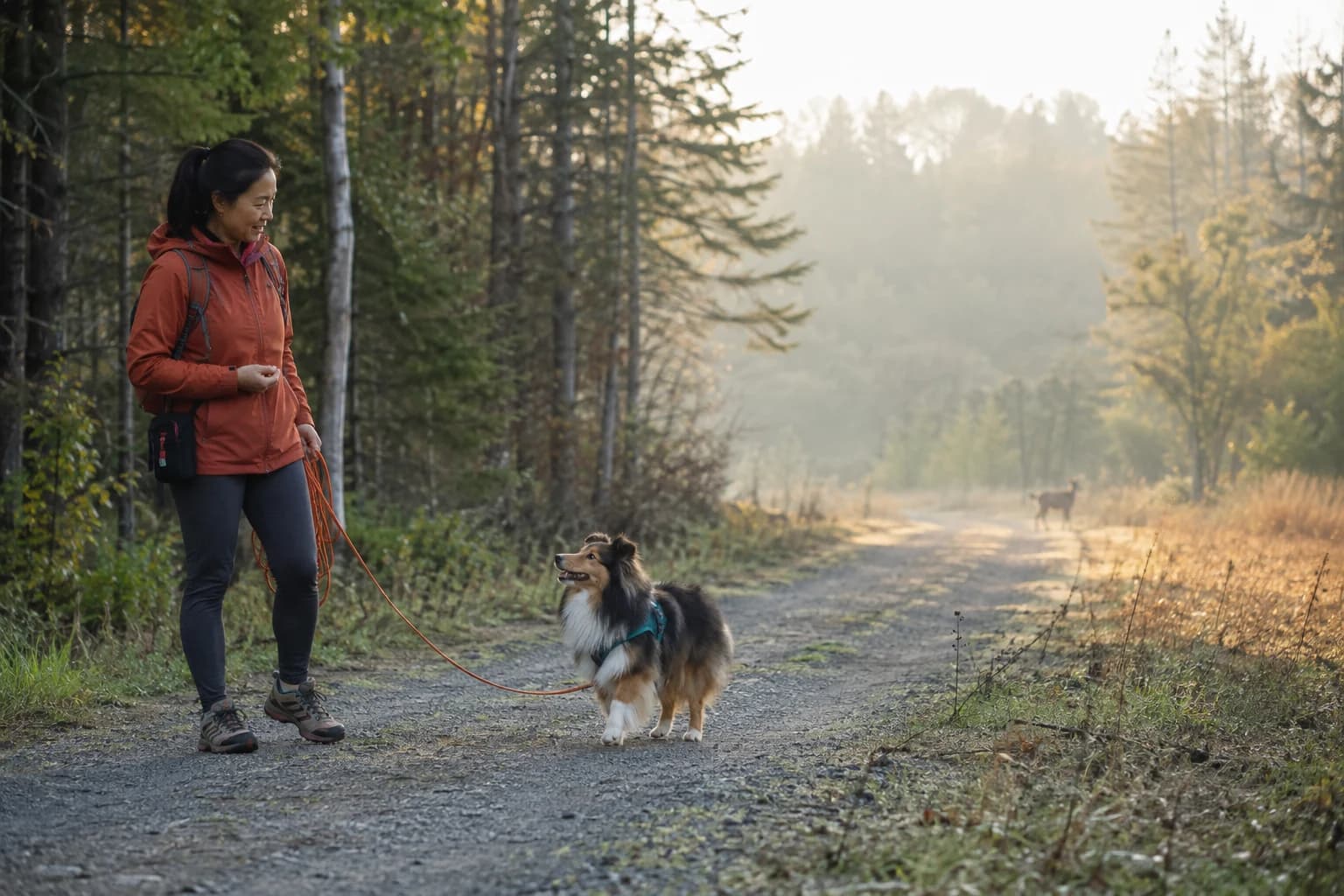
Build a safer response to deer, squirrels, birds, and fresh scent with a long line, useful rewards, and carefully measured practice.
12 min read · Updated September 4, 2026Read guide →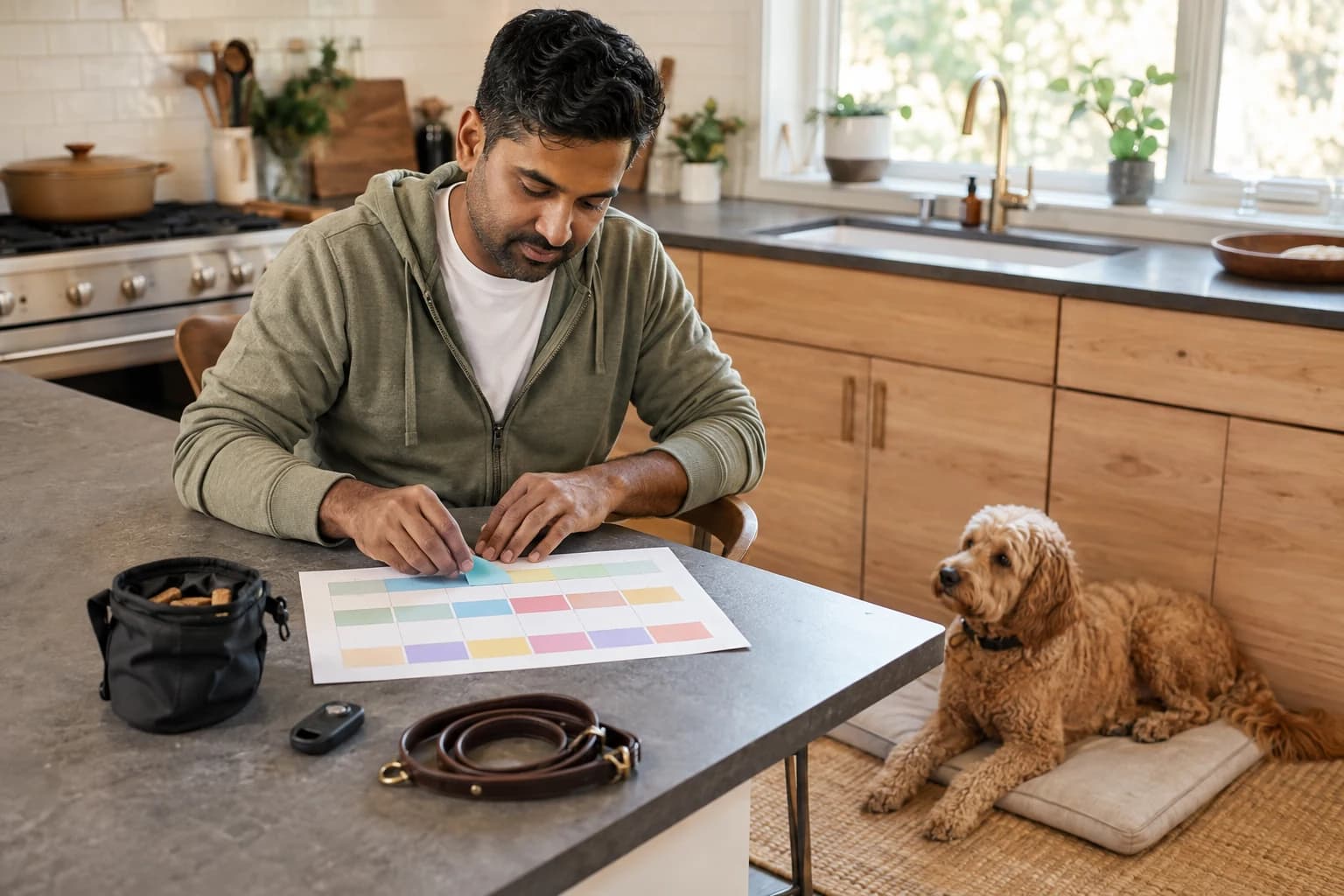
Turn a vague intention to train more into seven realistic days of short practice, useful rest, and measurable progress.
12 min read · Updated September 5, 2026Read guide →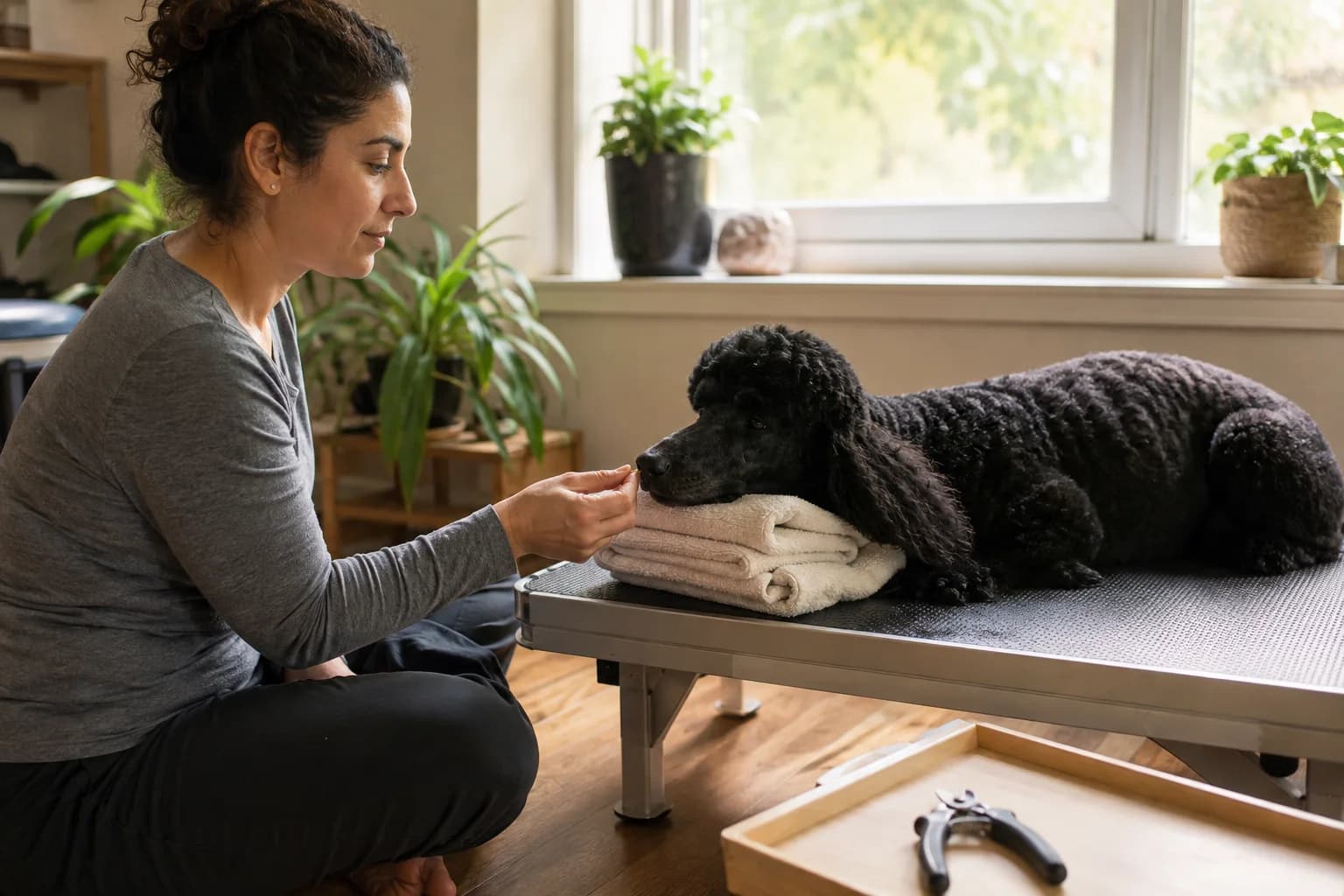
Replace the struggle to finish every nail with small, voluntary steps your dog can understand and repeat.
12 min read · Updated September 6, 2026Read guide →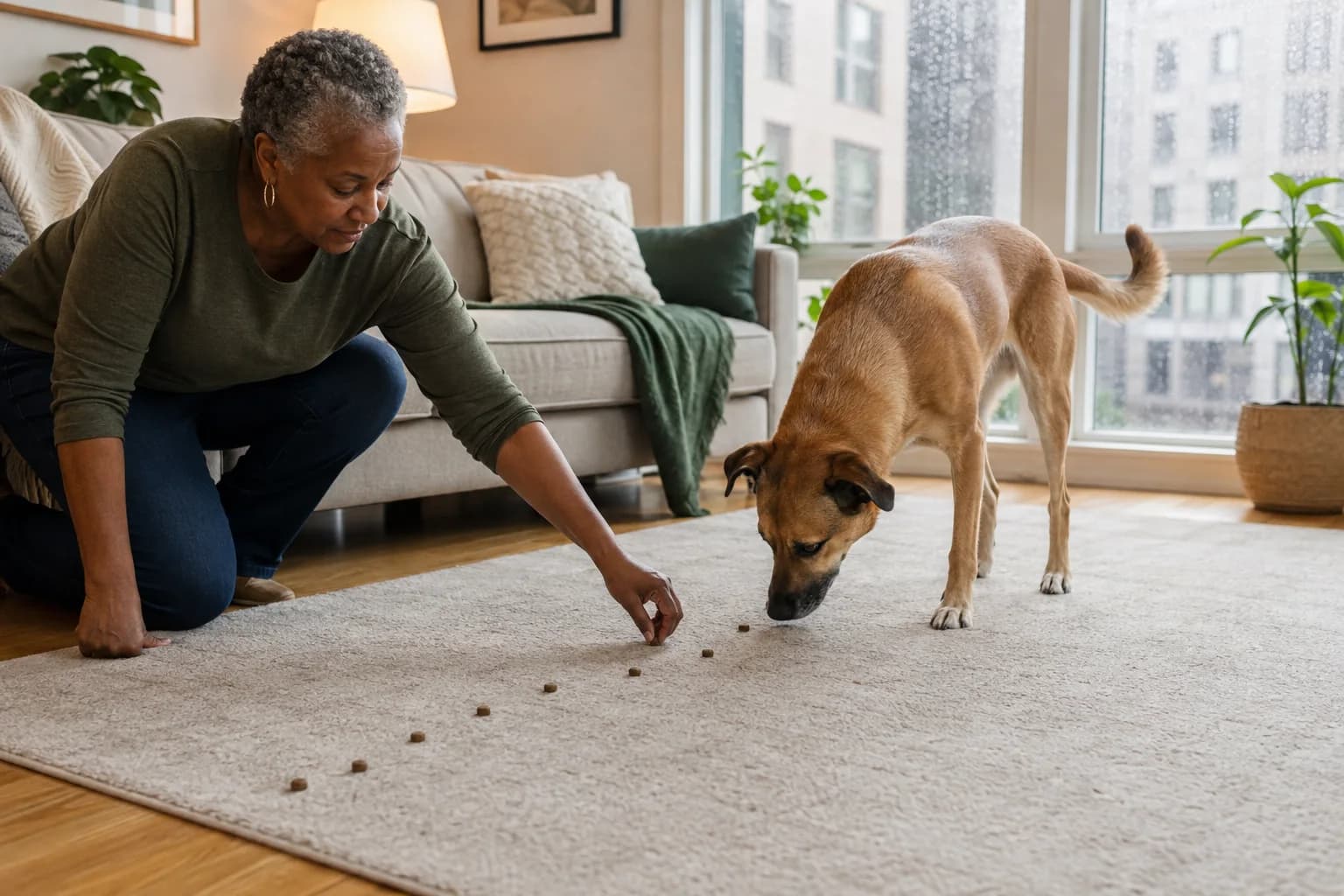
Turn one wet day into safe sniffing, problem-solving, gentle movement, and an easier transition back to rest.
11 min read · Updated September 7, 2026Read guide →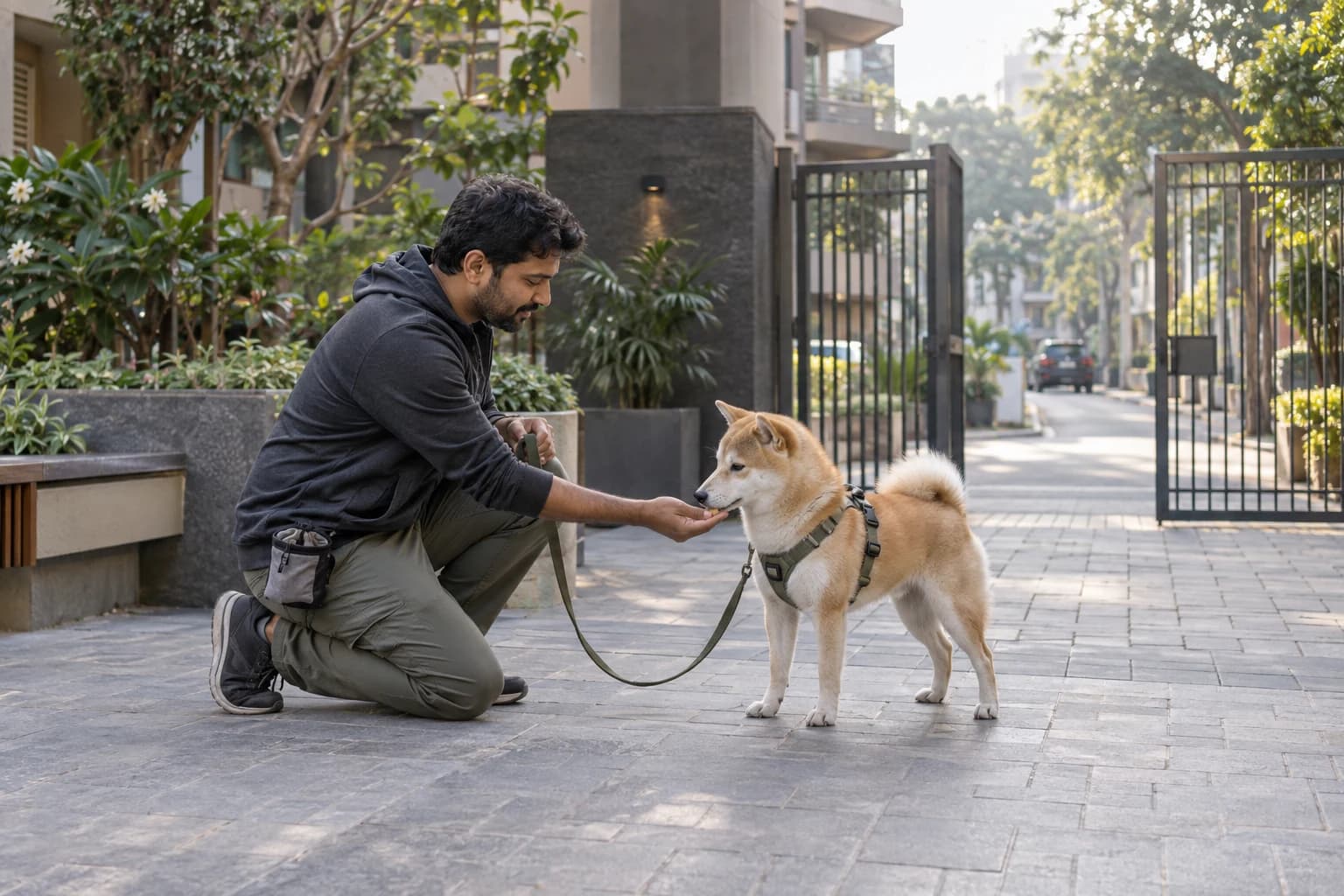
Use food refusal as useful information, find an easier starting point, and rebuild outdoor practice without bribing or pushing.
12 min read · Updated September 8, 2026Read guide →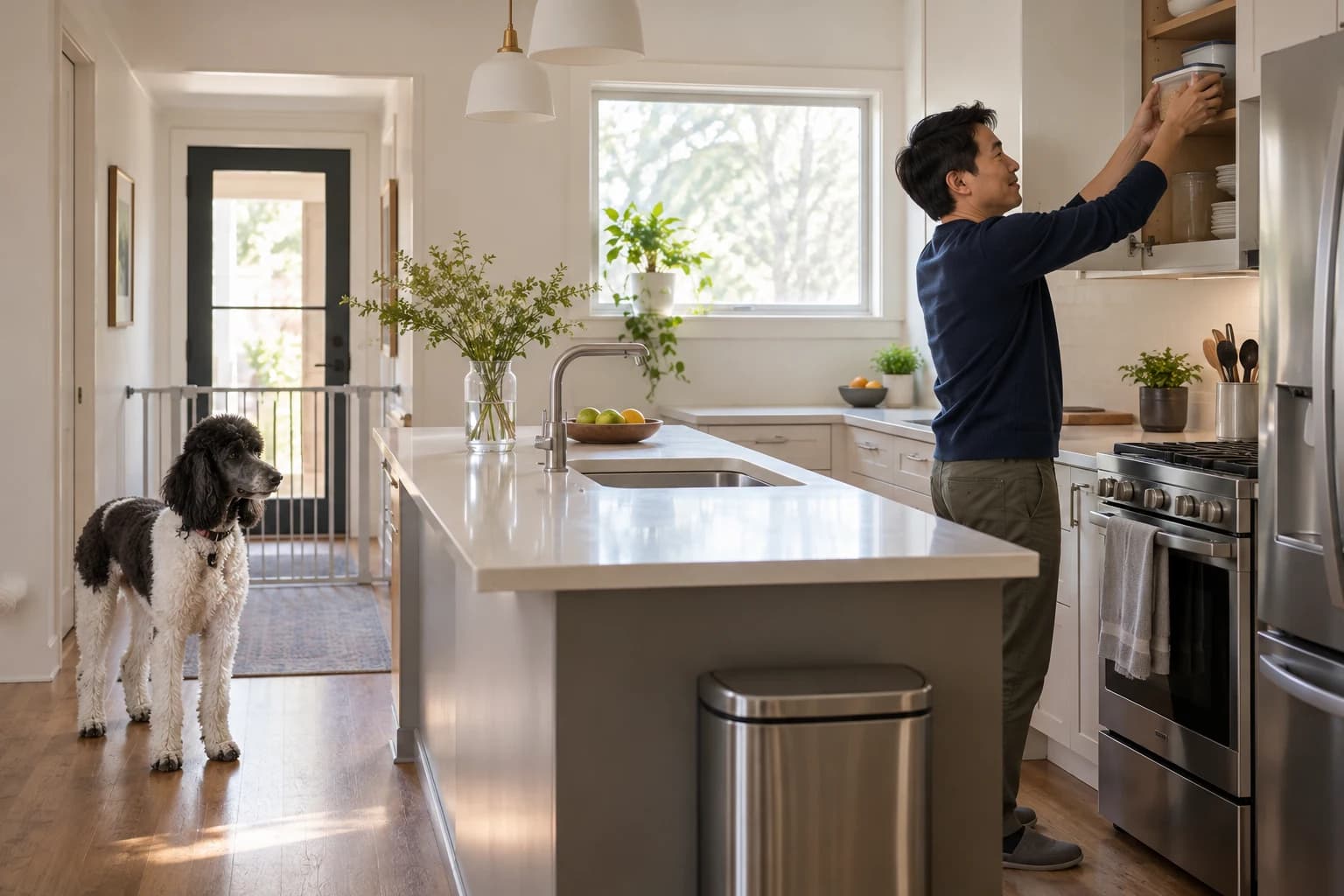
Remove the surprise rewards, teach a clear floor-level alternative, and make food preparation safer without shouting or traps.
12 min read · Updated September 9, 2026Read guide →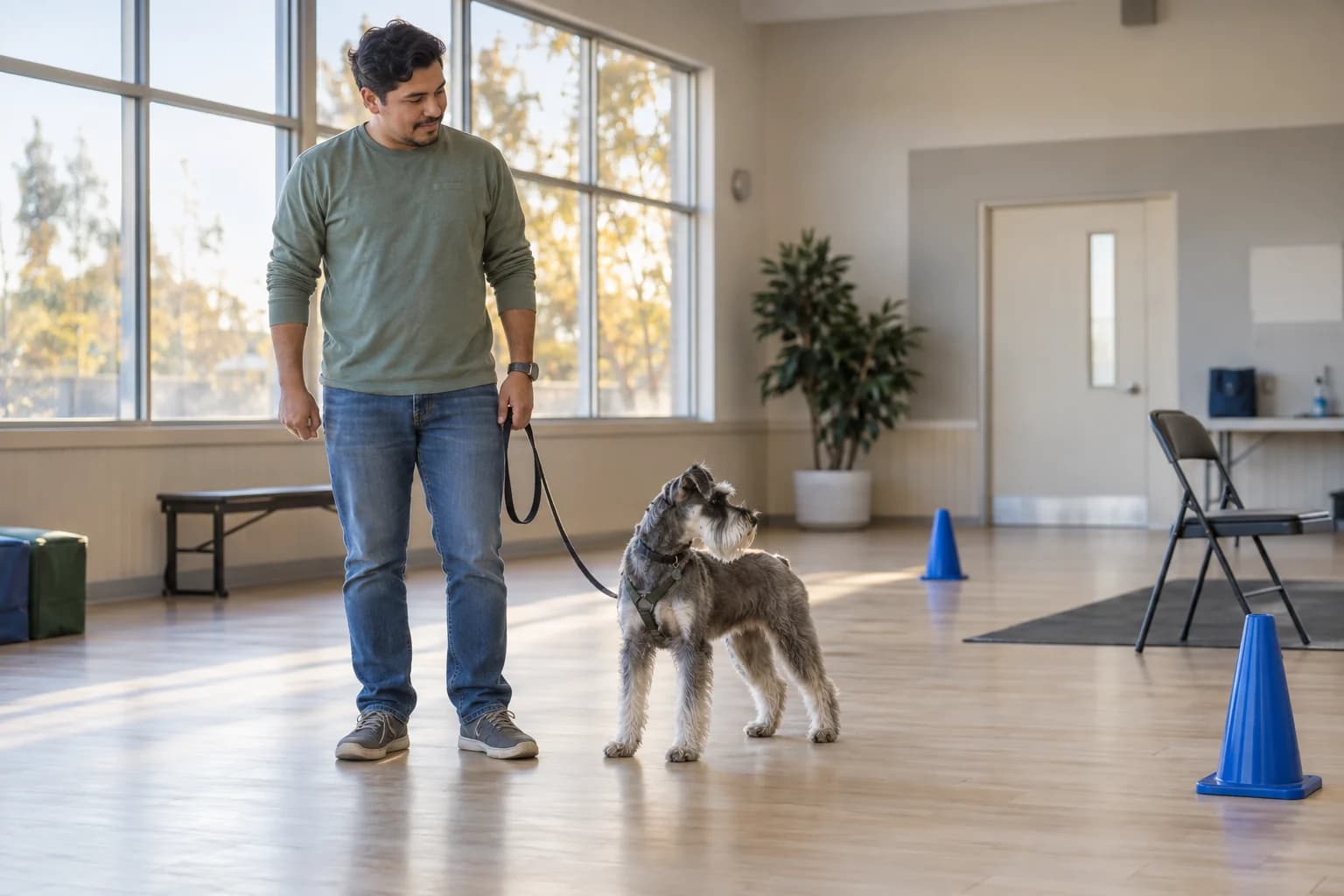
Replace repeated cues with one observable goal, an easier setup, and short practice you can measure across real-life situations.
12 min read · Updated September 10, 2026Read guide →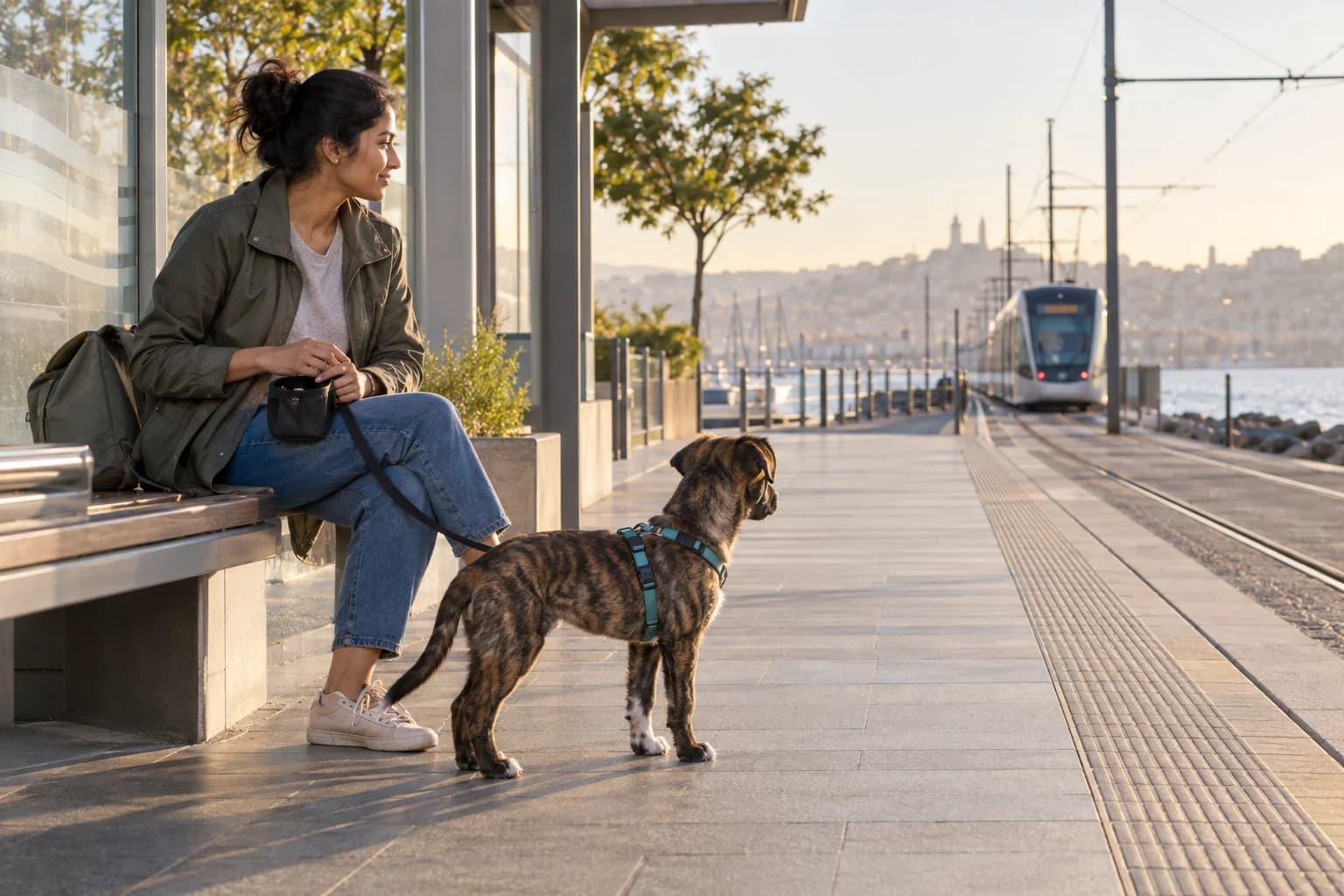
Plan calm, voluntary experiences with people, places, sounds, surfaces, handling, and rest without turning puppyhood into a race.
12 min read · Updated September 11, 2026Read guide →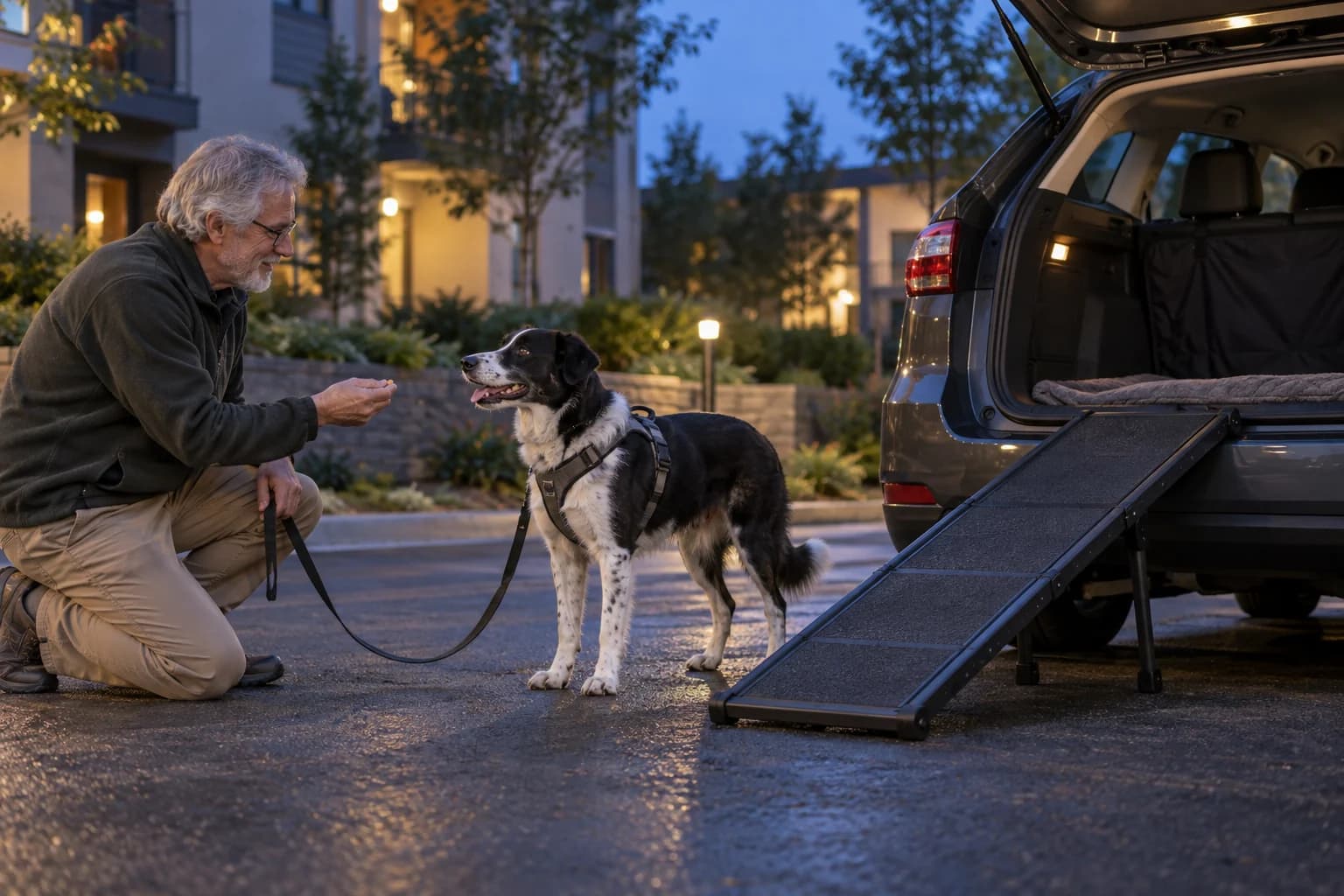
Find the exact step that worries your dog, then rebuild car entry with stable footing, voluntary movement, short repetitions, and a clear record.
12 min read · Updated September 12, 2026Read guide →
Protect your fingers and keep rewards useful: change delivery first, then teach a calm, voluntary way to take food.
11 min read · Updated September 13, 2026Read guide →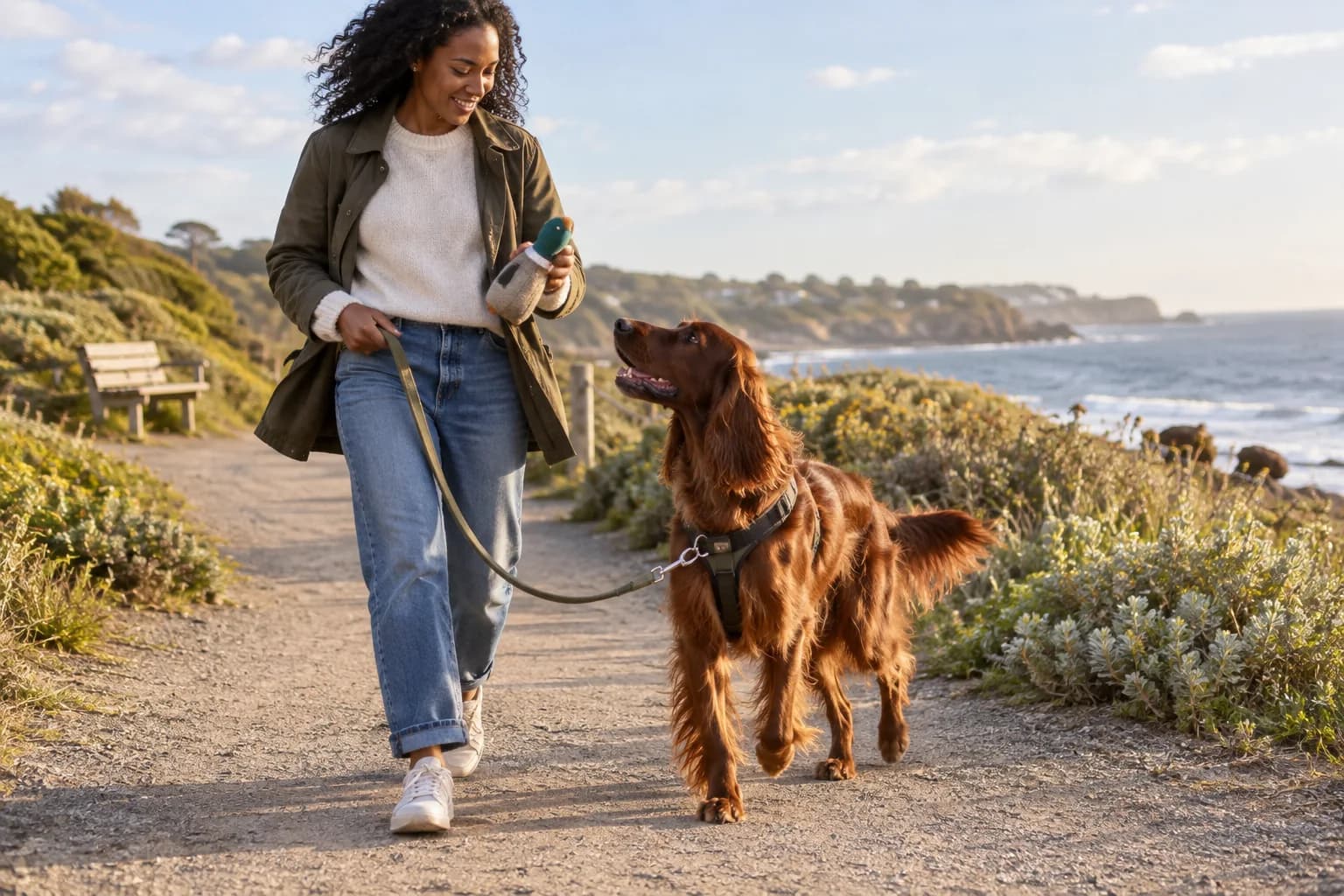
Find the moment the leash becomes a toy or a protest, then practise a safer alternative before the grabbing begins.
11 min read · Updated September 14, 2026Read guide →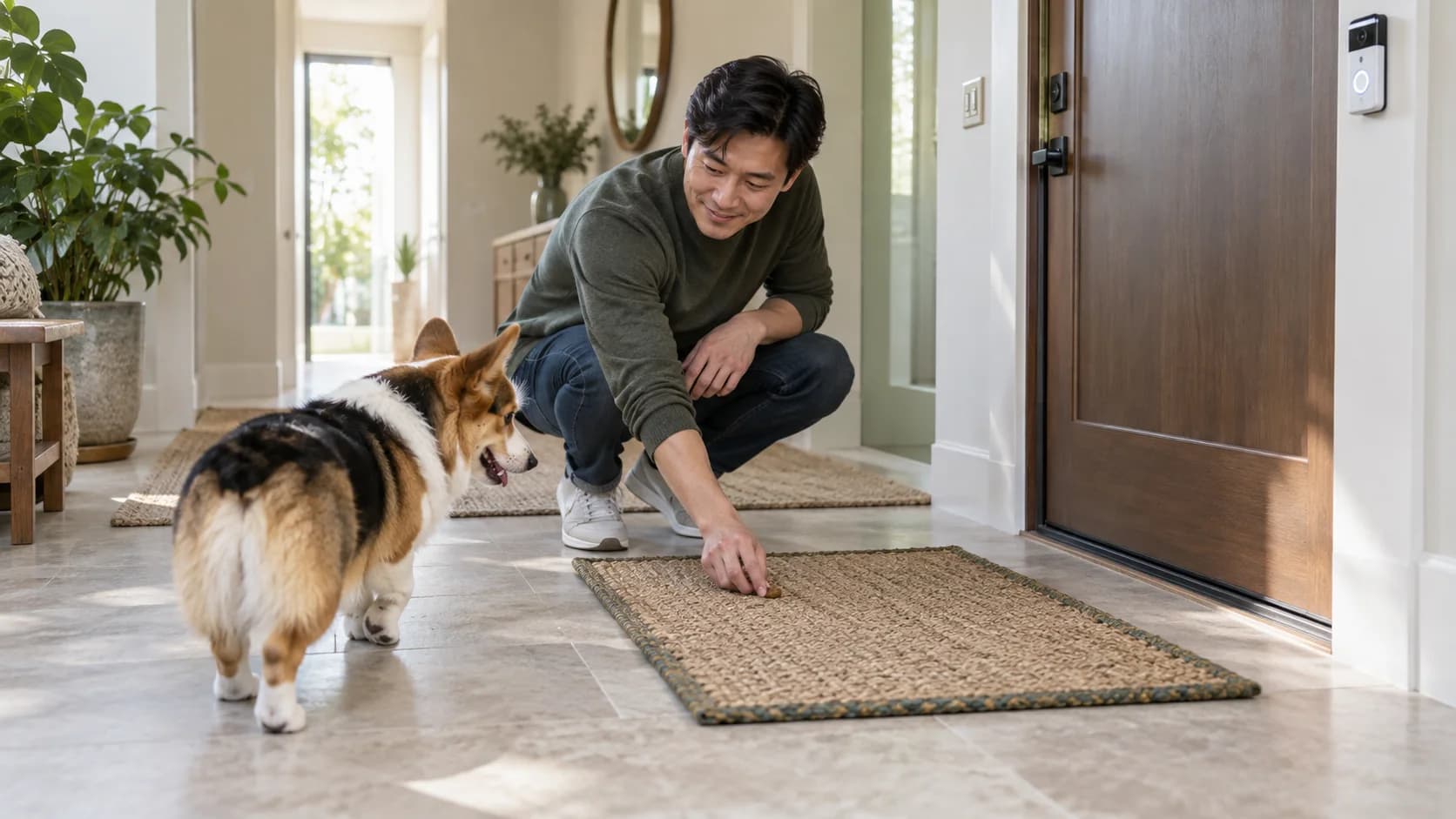
Separate the chime, the rush to the door, and the visitor arrival so your dog can learn one calm, safe response at a time.
11 min read · Updated September 15, 2026Read guide →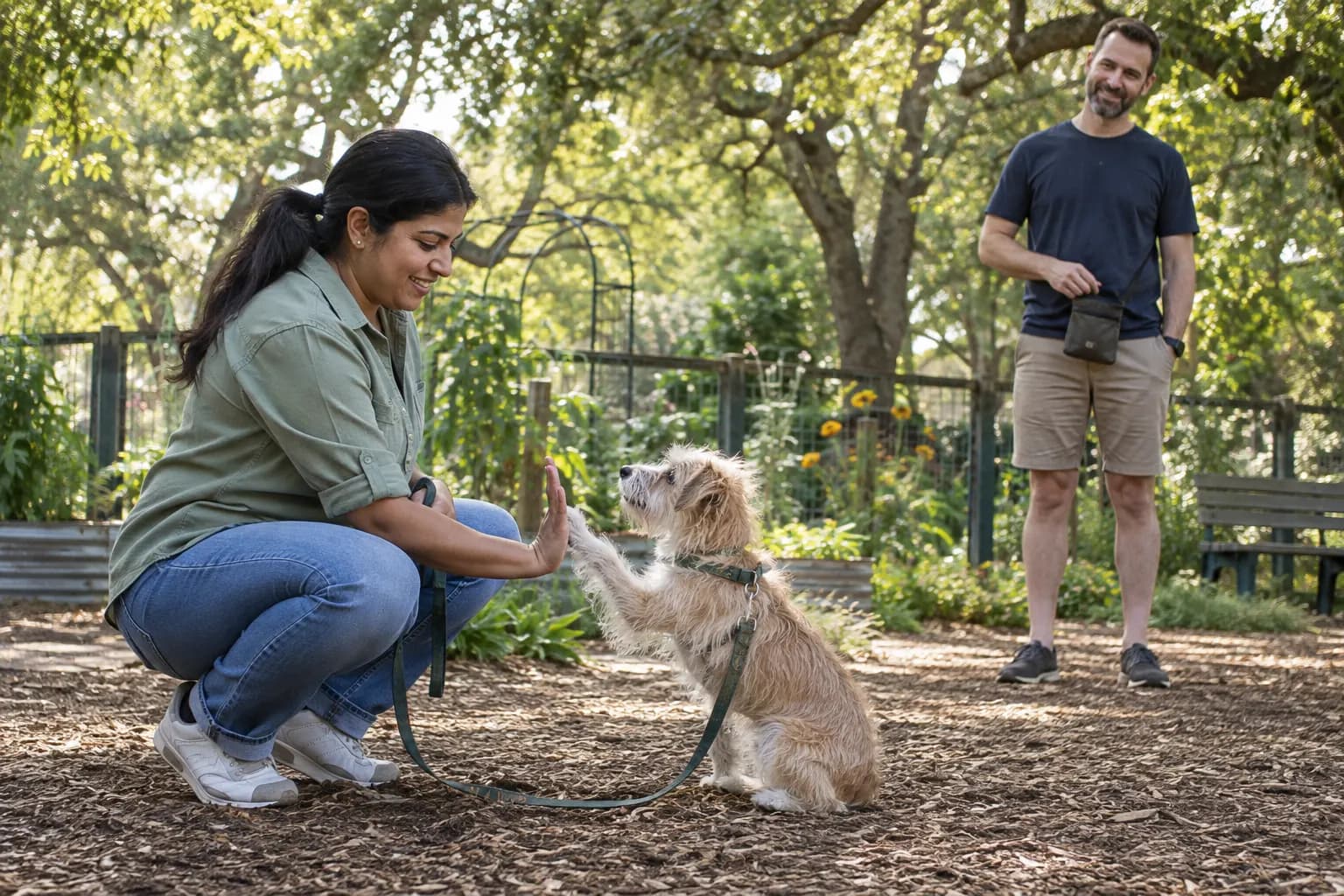
Help a dog respond to more than one familiar person by agreeing on one cue, one easy criterion, and a calm handover.
11 min read · Updated September 16, 2026Read guide →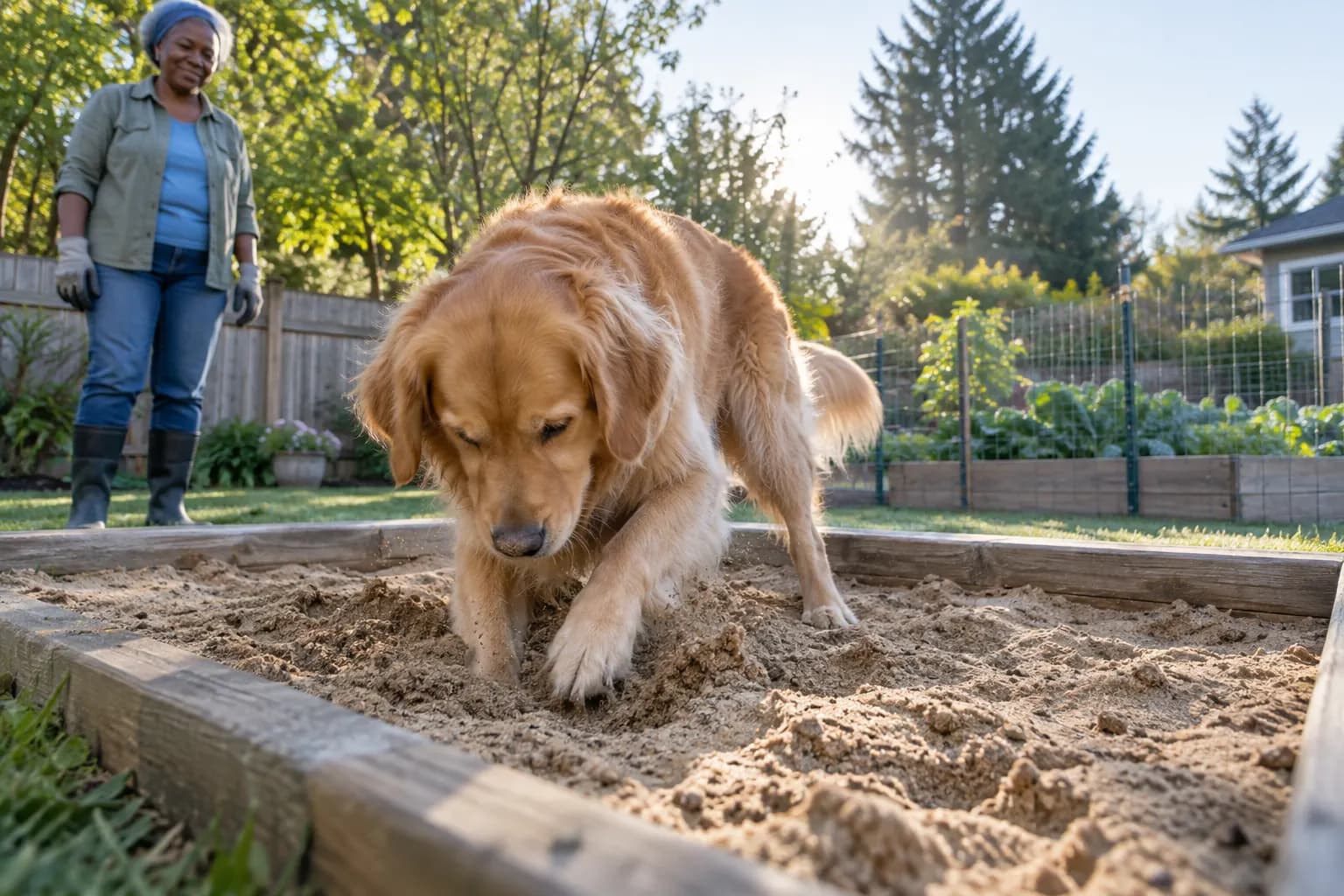
Find out what the hole is solving for your dog, protect unsafe places, and offer a suitable digging spot when digging itself is the reward.
11 min read · Updated September 17, 2026Read guide →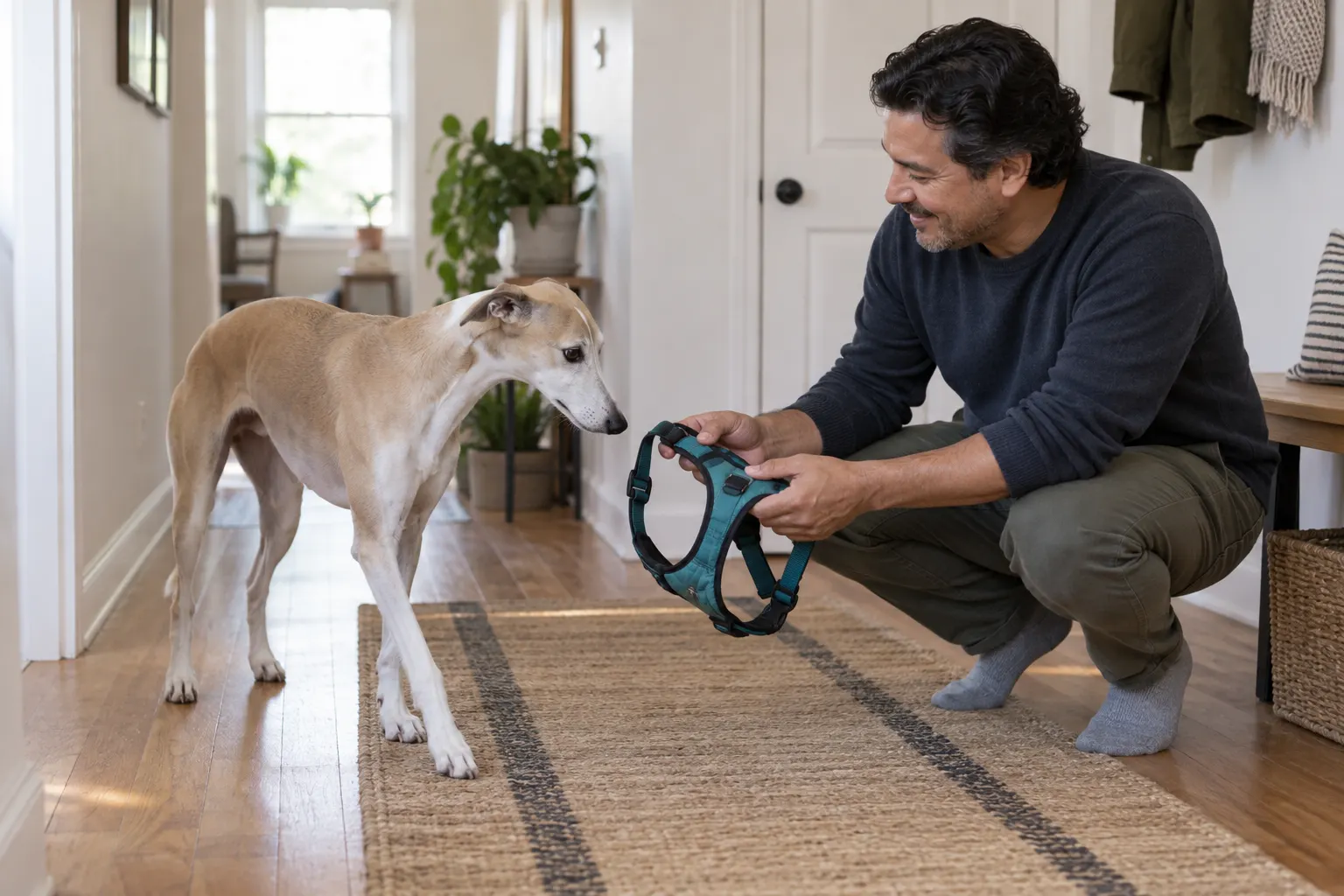
Turn the moment your dog sees the harness into small voluntary steps, from looking at it to a comfortable, secure walk.
11 min read · Updated September 18, 2026Read guide →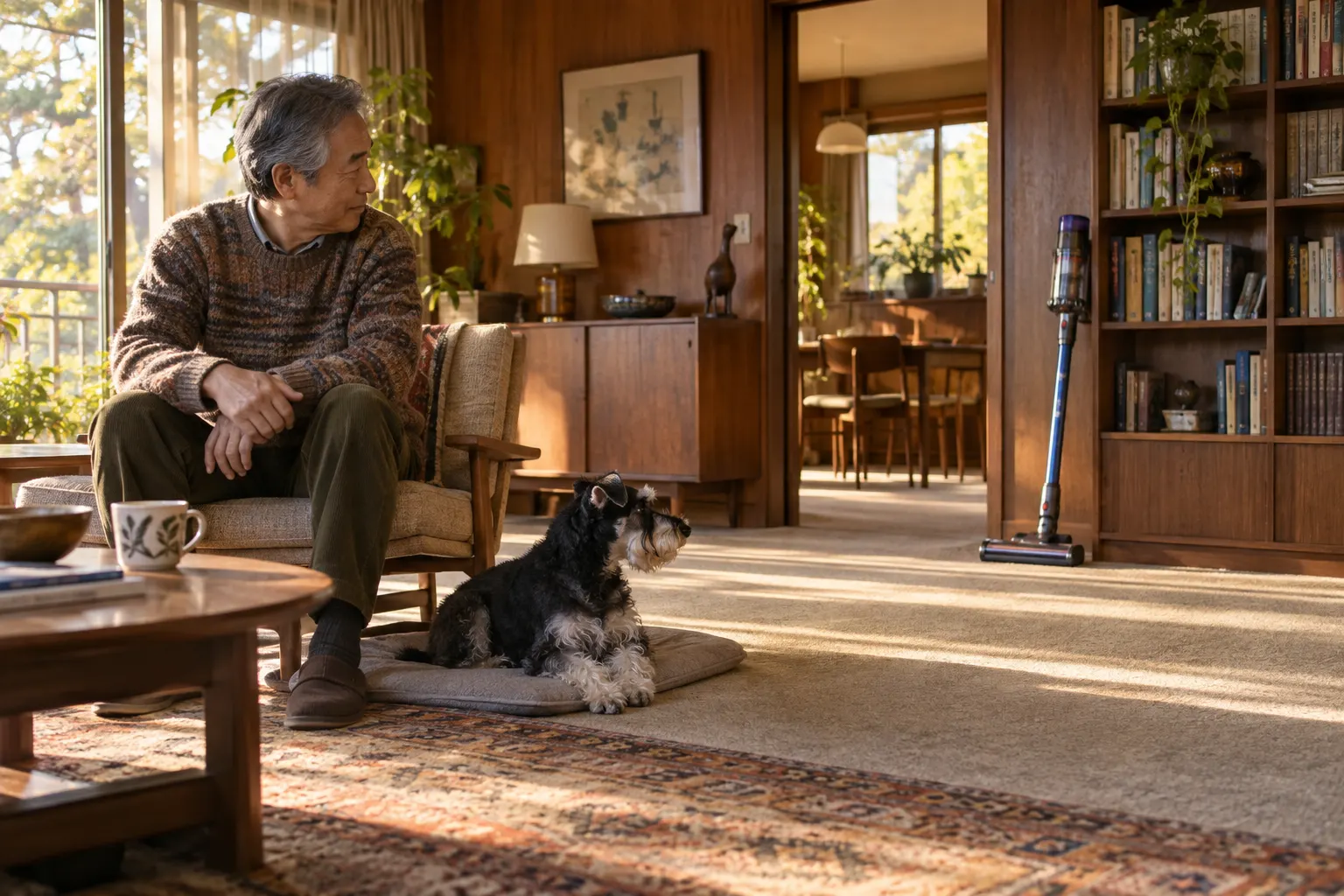
Separate sight, movement and sound, protect a real retreat, and clean without chasing your dog through fear.
10 min read · Updated September 19, 2026Read guide →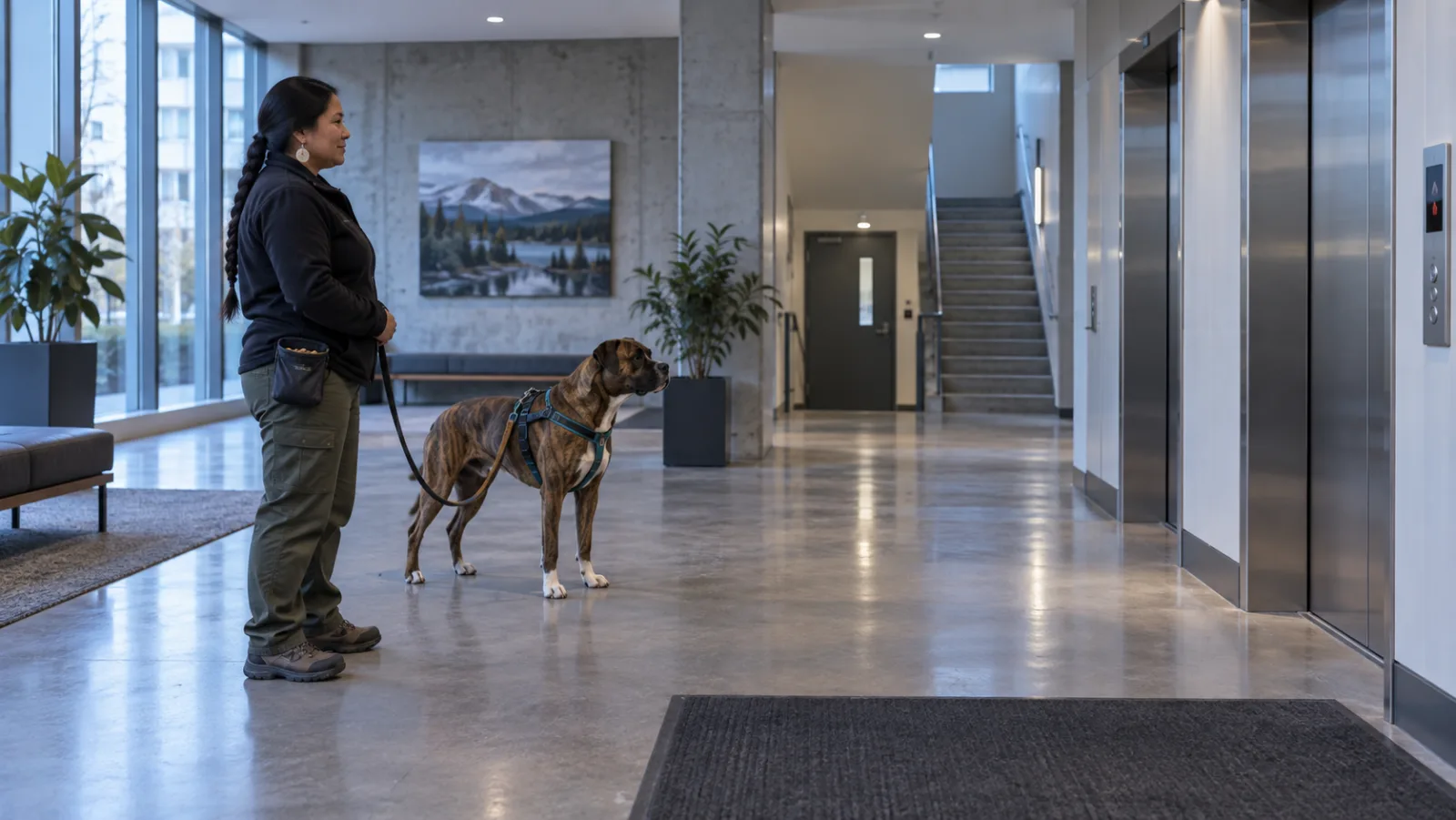
Separate the chime, doorway, moving floor and short ride so your dog can learn without being pulled or trapped.
11 min read · Updated September 20, 2026Read guide →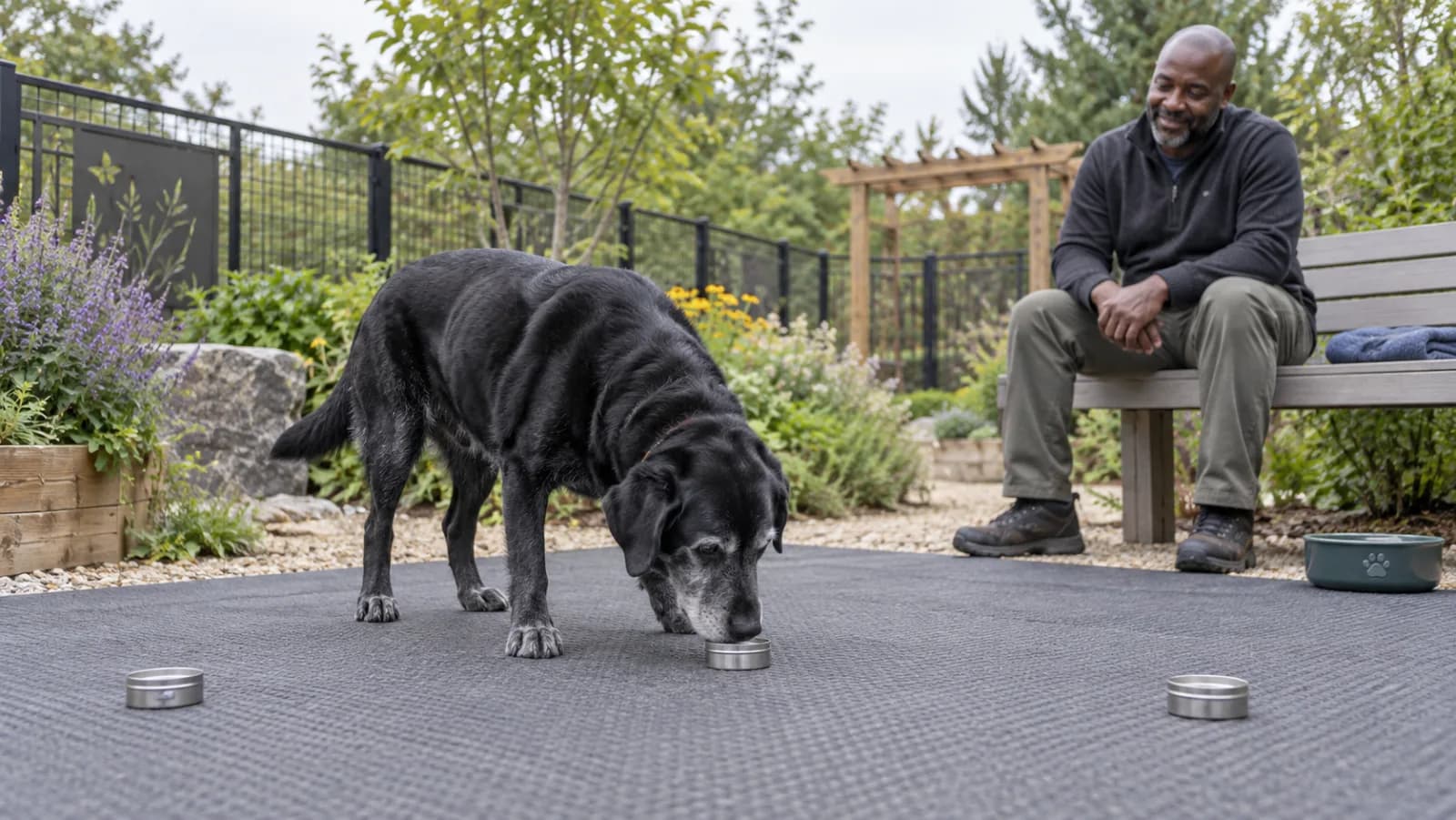
Low-impact scent, choice and observation games that fit changing joints, senses and energy without turning every day into a fitness test.
11 min read · Updated September 21, 2026Read guide →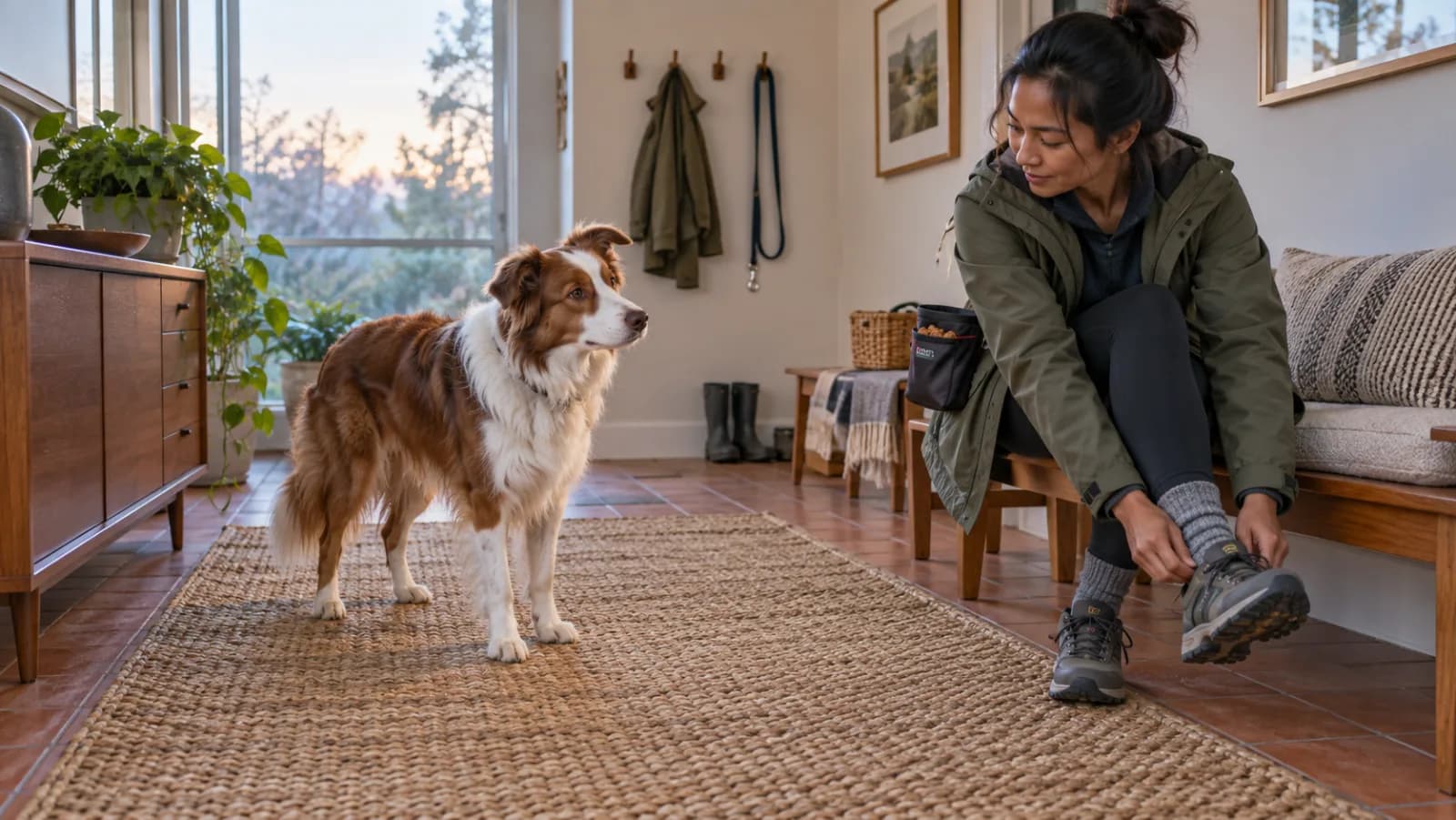
Break shoes, leash, clipping and the door into short rehearsals so the walk starts with four paws down and a thinking dog.
11 min read · Updated September 22, 2026Read guide →Foundations behind every guide
Different goals use different drills, but clear reward based training keeps returning to the same foundations: observable behavior, worthwhile reinforcement, gradual difficulty, and management between sessions.
Instead of “walk nicely,” choose “walk from the gate to the corner with a soft leash.” Instead of “stop barking,” choose “hear one hallway sound and return to the mat.” A concrete scene gives you a setup and a finish line.
If the goal contains several skills, separate them. Door manners, visitor greetings, settle, and recovery after excitement may belong to the same evening but should not all be trained in one repetition.
Choose a workable goal →A marker identifies the exact behavior that paid. Reward placement helps the next repetition: beside your leg for leash position, on the mat for settle, and close to you after recall.
Value changes with context. A reward that works indoors may be irrelevant near squirrels, dogs, visitors, or a scent trail. Lower difficulty and improve reinforcement before labeling the dog stubborn.
Improve rewards and timing →Skills do not automatically transfer from kitchen to pavement. Keep two variables easy while you raise the third, then repeat until the new version looks predictable and relaxed.
A difficult day is information, not proof that training failed. Return to the last reliable setup, rebuild successful repetitions, and review what changed in the environment.
Plan a short session →Gates, visual barriers, distance, long lines, prepared chews, and quieter routes are not shortcuts. They stop the old behavior paying constantly while a new skill develops.
Management is especially important when visitors cannot follow the plan, the environment is already overwhelming, or safety would be compromised by testing an unfinished behavior.
See management in a real routine →Reward based does not mean consequence-free
The difference is that the plan teaches what works, pays the behavior you want, and arranges practice without pain, fear, intimidation, or flooding. Calm management protects the learning between sessions.
Read DogPath’s complete training approach →From reading to practice
The guide gives you context. DogPath turns that context into steps, timing, and a visible next action. Keep the handoff simple.
Use a concrete scene: soft leash to the corner, a calm mat while you eat, or one happy recall in the garden.
Choose a workable goal →Lower distraction, prepare rewards, and decide what counts as success before you cue the behavior.
Build a short session →Stamp the lesson, note where the skill became difficult, and raise distance, duration, or distraction one layer at a time.
See how lessons work →Know when an article is not enough
DogPath guides support everyday practice. They do not diagnose behavior or replace a veterinarian or qualified in-person trainer for complex or high risk cases.
Review support and product limits →Training across a dog’s life
Age is only one part of the picture. History, health, environment, reinforcement experience, and current stress all affect the right starting point.
Build name response, toileting rhythm, gentle handling, voluntary crate comfort, rest, and safe exposure before chasing a long list of commands.
Start the first week →Restore reinforcement for attention, recall, leash skills, and recovery while management protects safety and freedom grows gradually.
Train through adolescence →Do not assume a cue word, history, or household rule. Teach the routine you need with clear setup and room for decompression.
Choose the first goal →Adapt surfaces, movement, repetition, hearing and vision cues, and session length. Sudden behavior change or new difficulty deserves veterinary discussion.
Review professional boundaries →When training falls apart
Before adding pressure or repeating the cue, check which part of the learning situation changed. The answer usually points to a more useful next session.
Dogs learn in context. A recall practiced in the kitchen is not automatically reliable around running dogs, wildlife, traffic, or strong scent. The same word can represent a much harder task outside.
Return to a safer distance, use a long line where appropriate, and rebuild a strong response with worthwhile reinforcement before testing the harder version again.
Build recall by context →Food, play, sniffing, movement, and access change value from moment to moment. Refusing dry food near a squirrel does not prove the dog knows the cue and chooses disobedience.
Increase distance, choose a better reward, and use the environment itself when possible. A few loose leash steps can earn permission to investigate the scent ahead.
Match rewards to difficulty →A dog who cannot eat, recover, disengage, or move comfortably may be over threshold, exhausted, frightened, or unwell. More repetitions are unlikely to clarify the lesson.
Create distance and end the test. Sudden behavior change, pain, severe fear, panic, aggression, or bite risk needs veterinary or qualified professional assessment.
Choose the right support route →A cleaner troubleshooting order
Only after those layers are workable should you decide whether the behavior needs more repetition. This order turns a frustrating label into decisions you can actually make.
Build a fair practice block →Good to know
No. Puppy routines are included, but the library also covers adolescent training, adult-dog foundations, loose-leash walking, recall, barking, alone time, greetings, crate comfort, rewards, tools, and goal planning. Adapt difficulty to the individual dog.
Read enough to understand the setup, safety boundary, and first criterion. Then take one idea into a short session. You can return for troubleshooting after observing what your dog actually does.
Keep a goal stable long enough to see a pattern across several short sessions. Change the setup when the dog needs an easier version, but avoid replacing the whole goal with a new internet tip after every imperfect repetition.
No. They support everyday reward based practice. Pain, sudden changes, severe fear, panic, aggression, bite risk, and welfare concerns need qualified real-world assessment.
Yes. The website guides are available to read. DogPath can turn the ideas into structured lessons, programs, tools, tracking, and a visible weekly path; some in-app access requires DogPath Pro.
Guidance is useful when it becomes practice
Set one clear goal, open today’s lesson, and keep practice finishable. You can see the progress as you go.