
 Featured
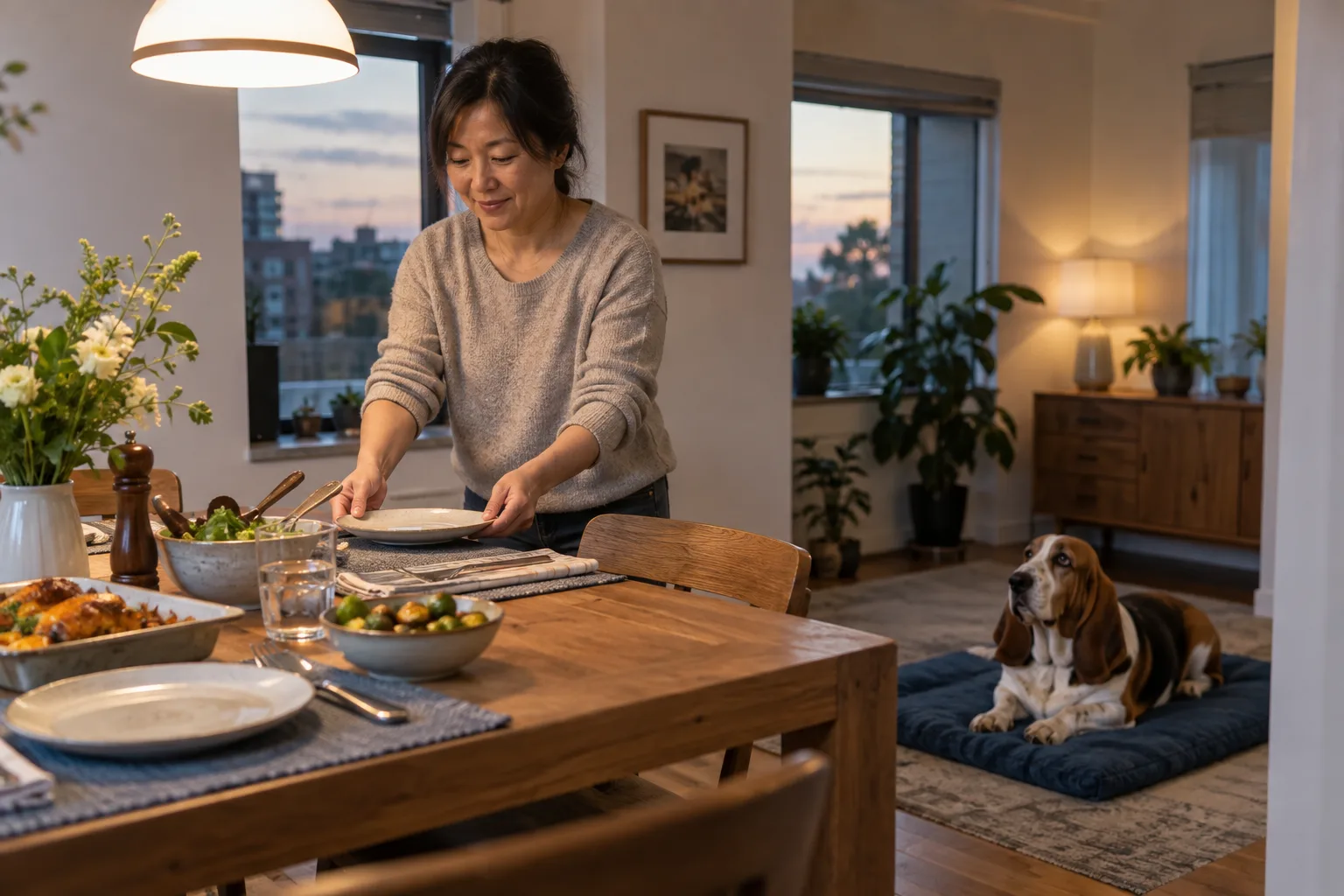
Dog Begging at Table: Free Dinner Plan
Keep dinner predictable: remove table payoffs, teach a comfortable place away from plates and rehearse in short, recordable steps.
The DogPath blog
Tips, guides, and practical notes for everyday training with your dog.
FeaturedKeep dinner predictable: remove table payoffs, teach a comfortable place away from plates and rehearse in short, recordable steps.
 Featured
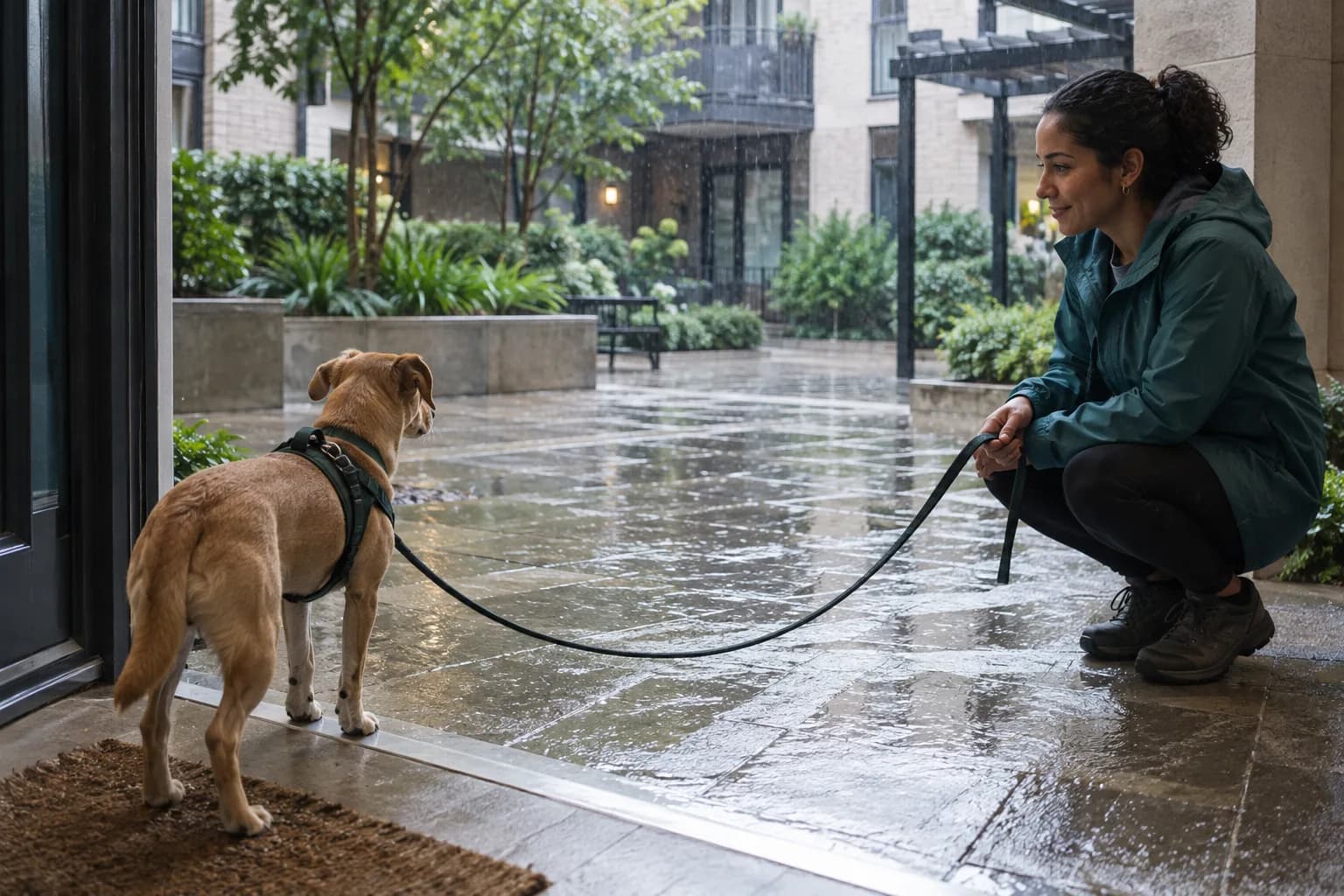
Make the next wet-weather outing smaller and kinder: prepare a dry return, practise a voluntary doorway step and choose a sheltered toilet route.
 Featured
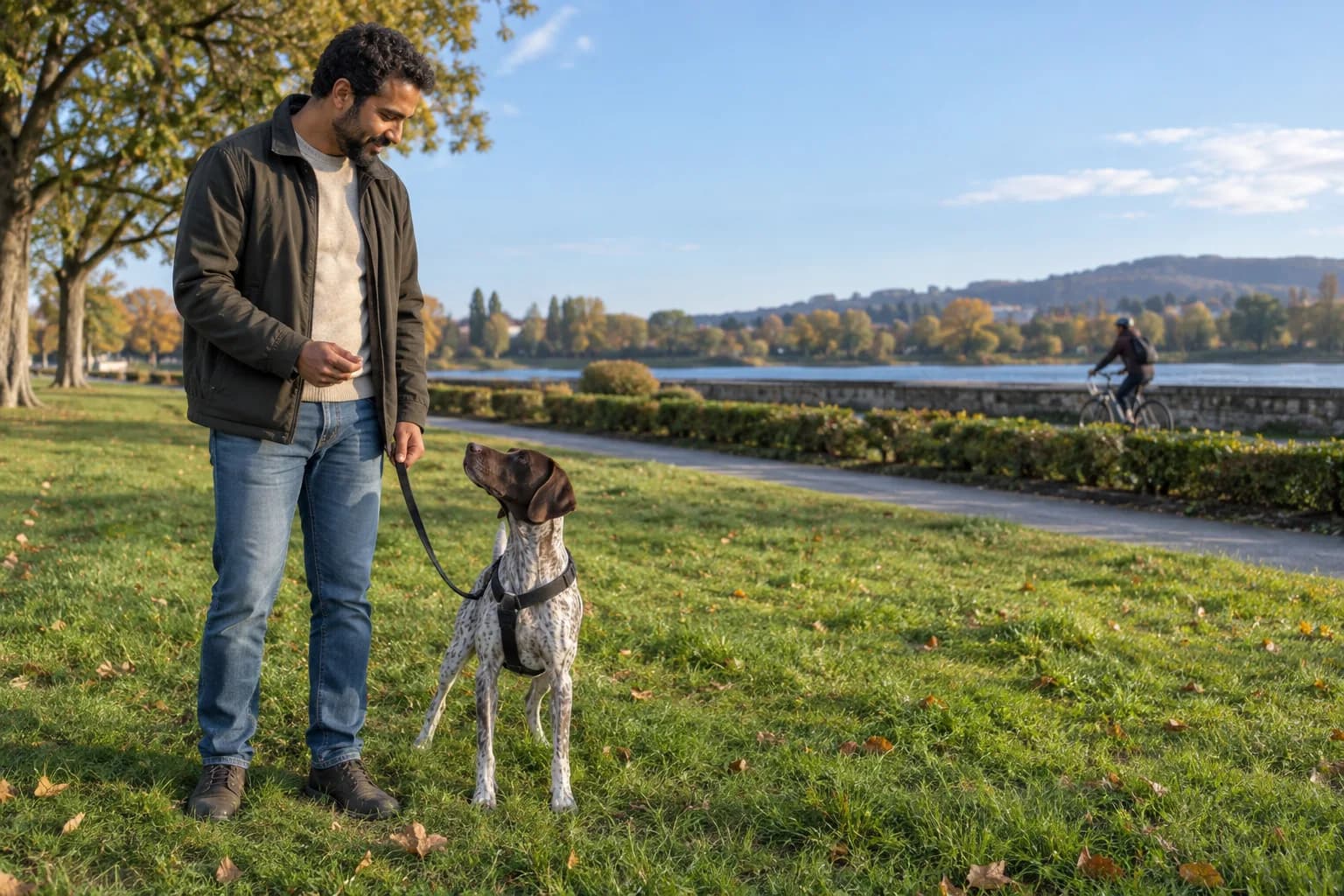
Create space before a bike passes, reward a visible check-in and keep a short record that makes the next walk easier to plan.
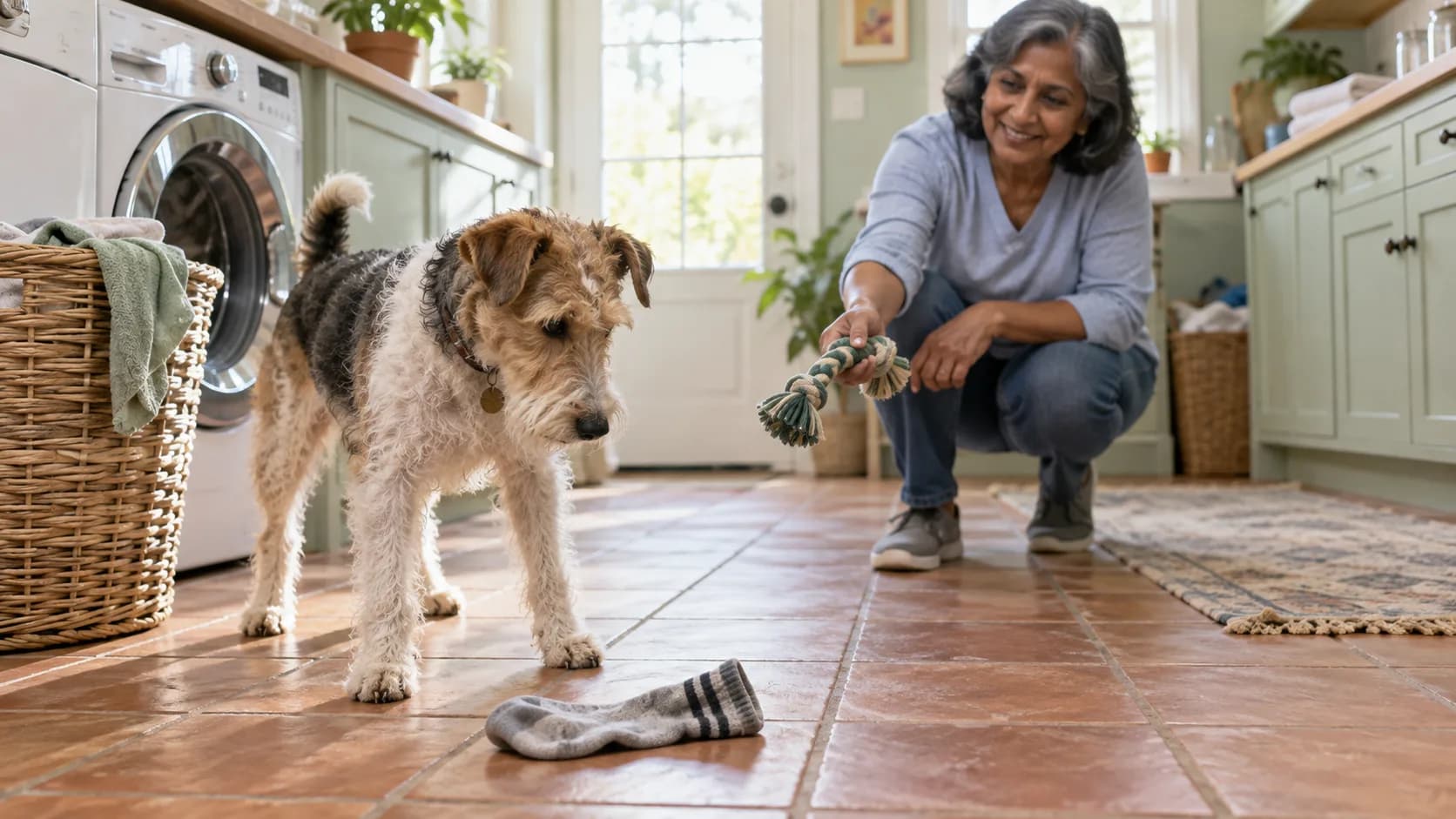
A practical plan for putting socks out of reach, trading without a chase, and knowing when a swallowed item needs a vet.
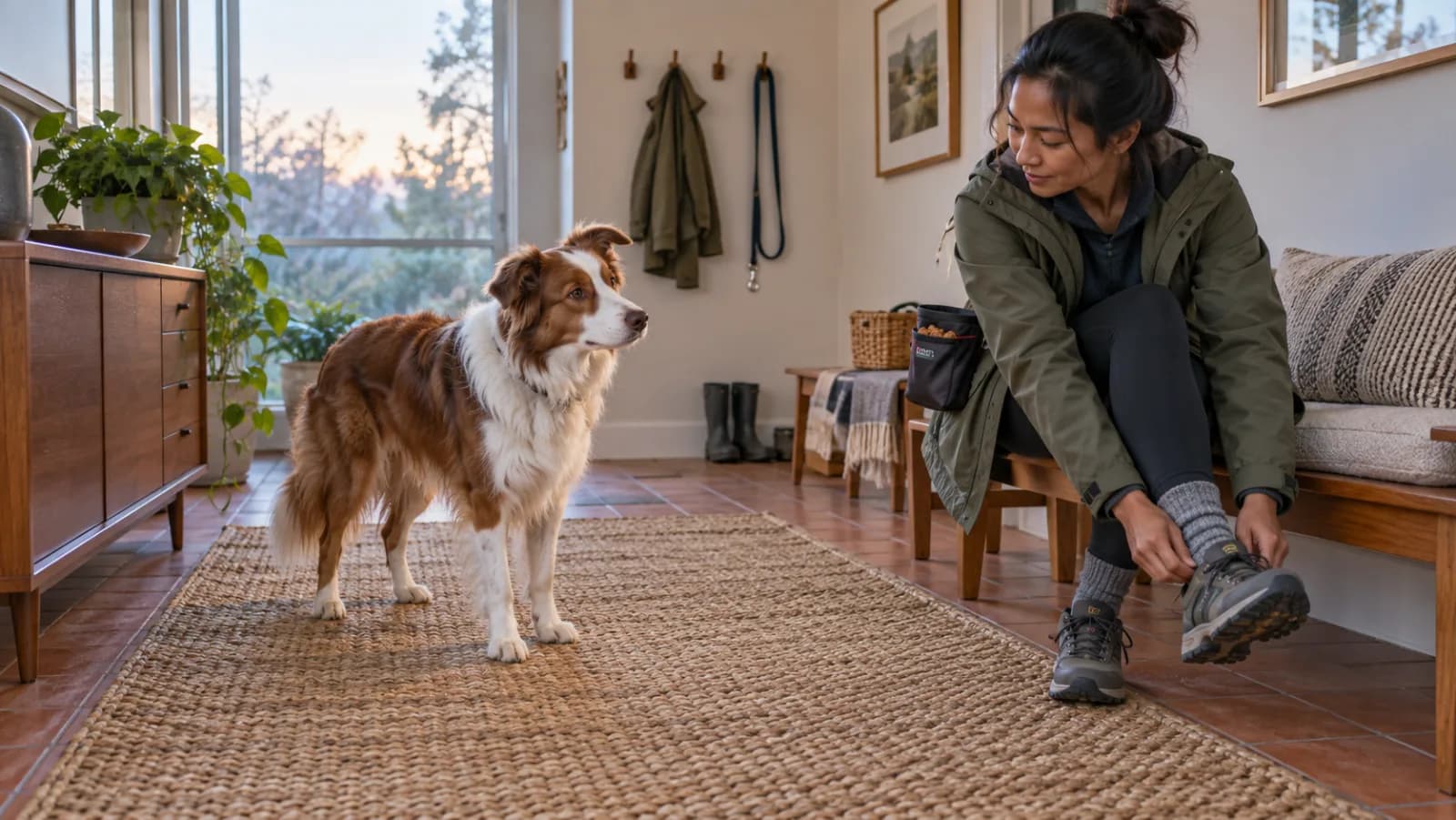
Break shoes, leash, clipping and the door into short rehearsals so the walk starts with four paws down and a thinking dog.
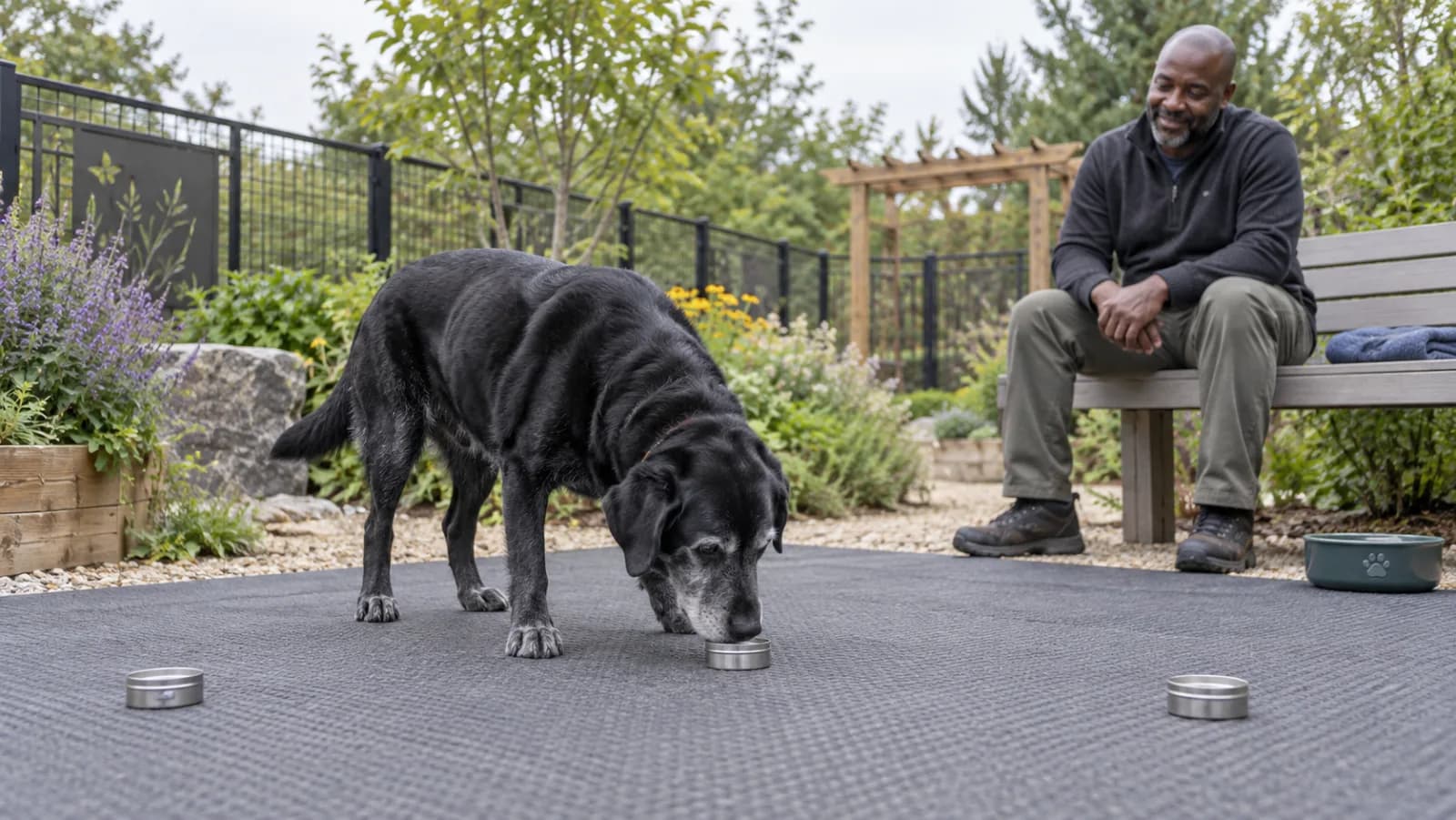
Low-impact scent, choice and observation games that fit changing joints, senses and energy without turning every day into a fitness test.
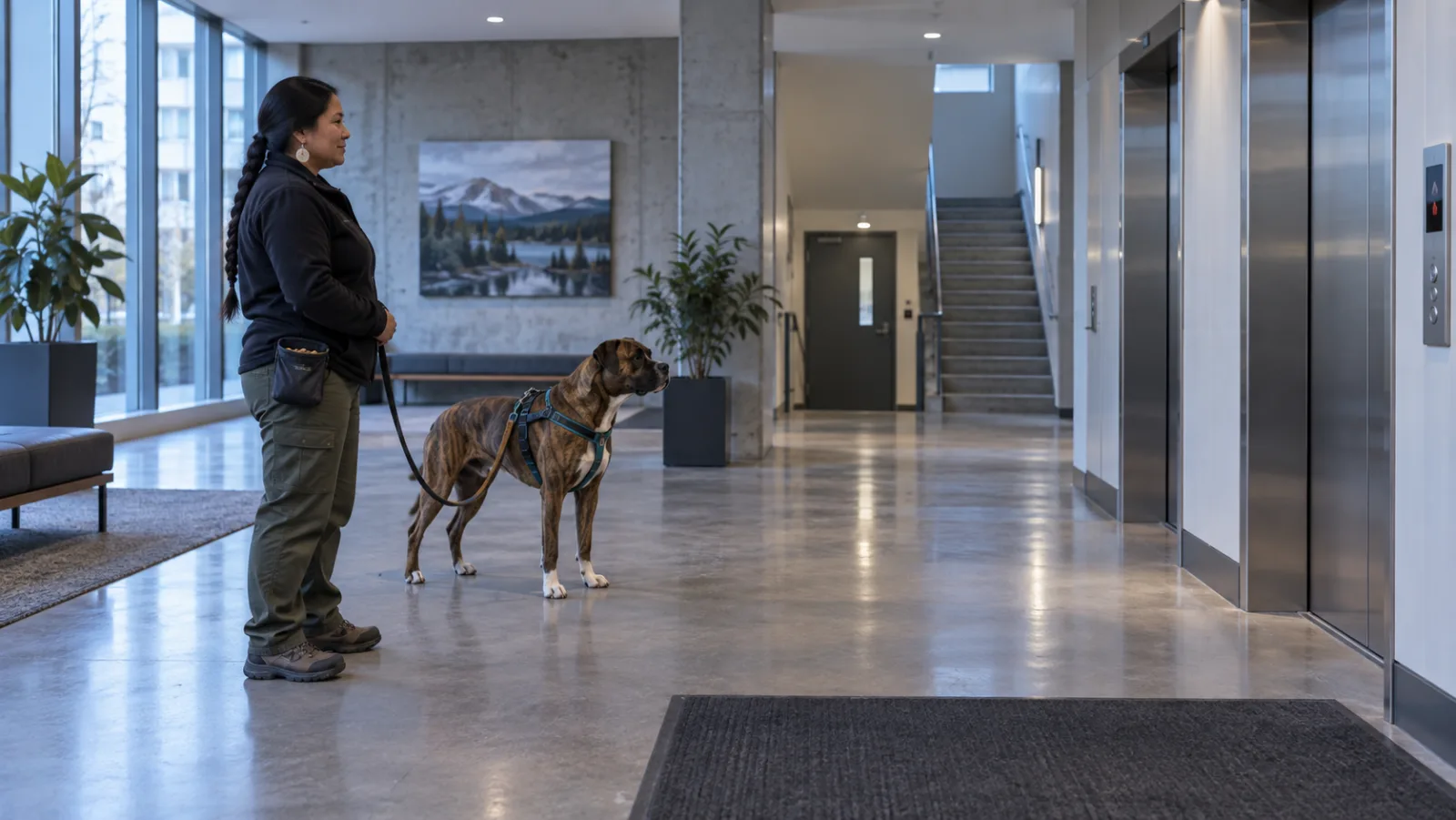
Separate the chime, doorway, moving floor and short ride so your dog can learn without being pulled or trapped.
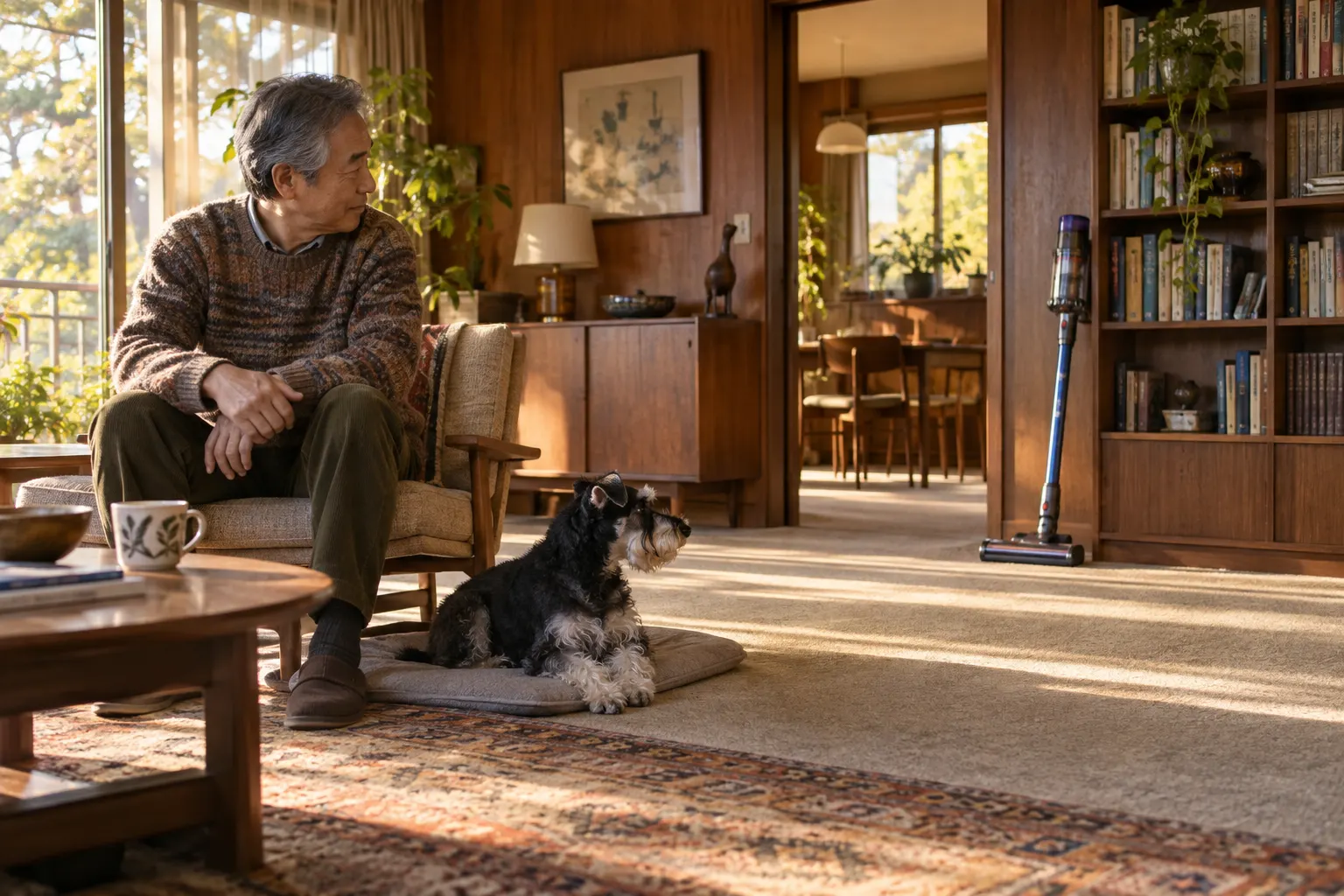
Separate sight, movement and sound, protect a real retreat, and clean without chasing your dog through fear.
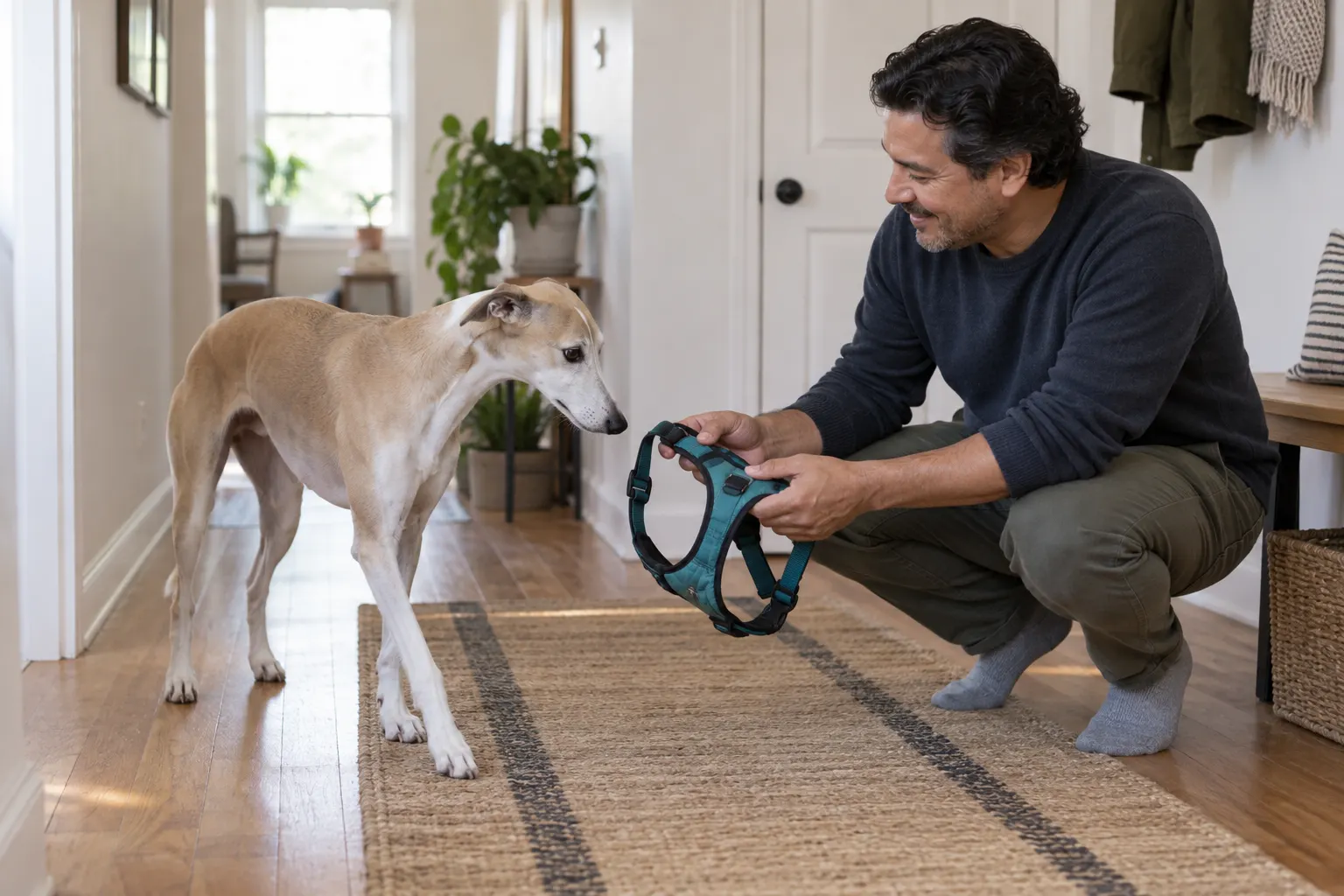
Turn the moment your dog sees the harness into small voluntary steps, from looking at it to a comfortable, secure walk.
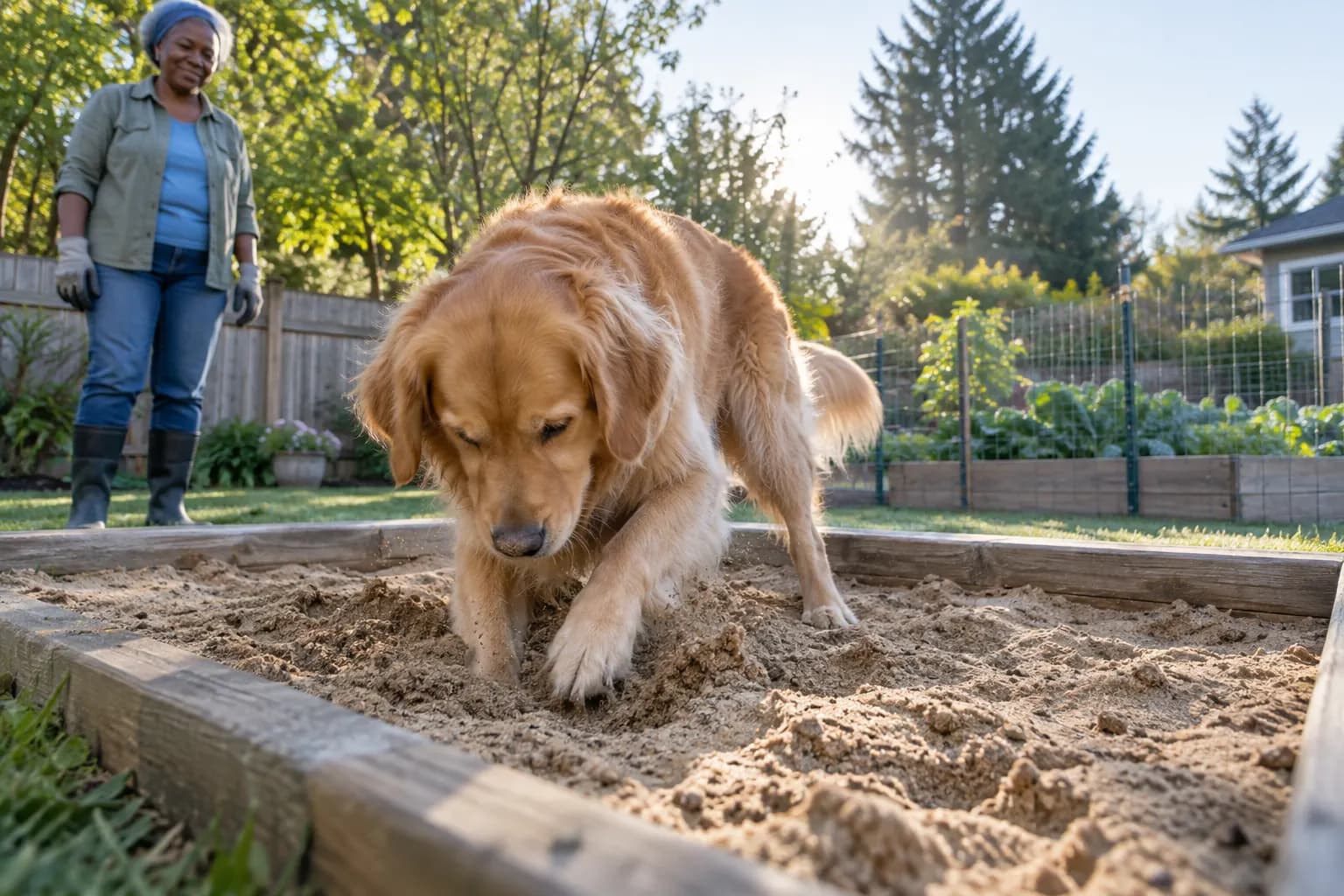
Find out what the hole is solving for your dog, protect unsafe places, and offer a suitable digging spot when digging itself is the reward.
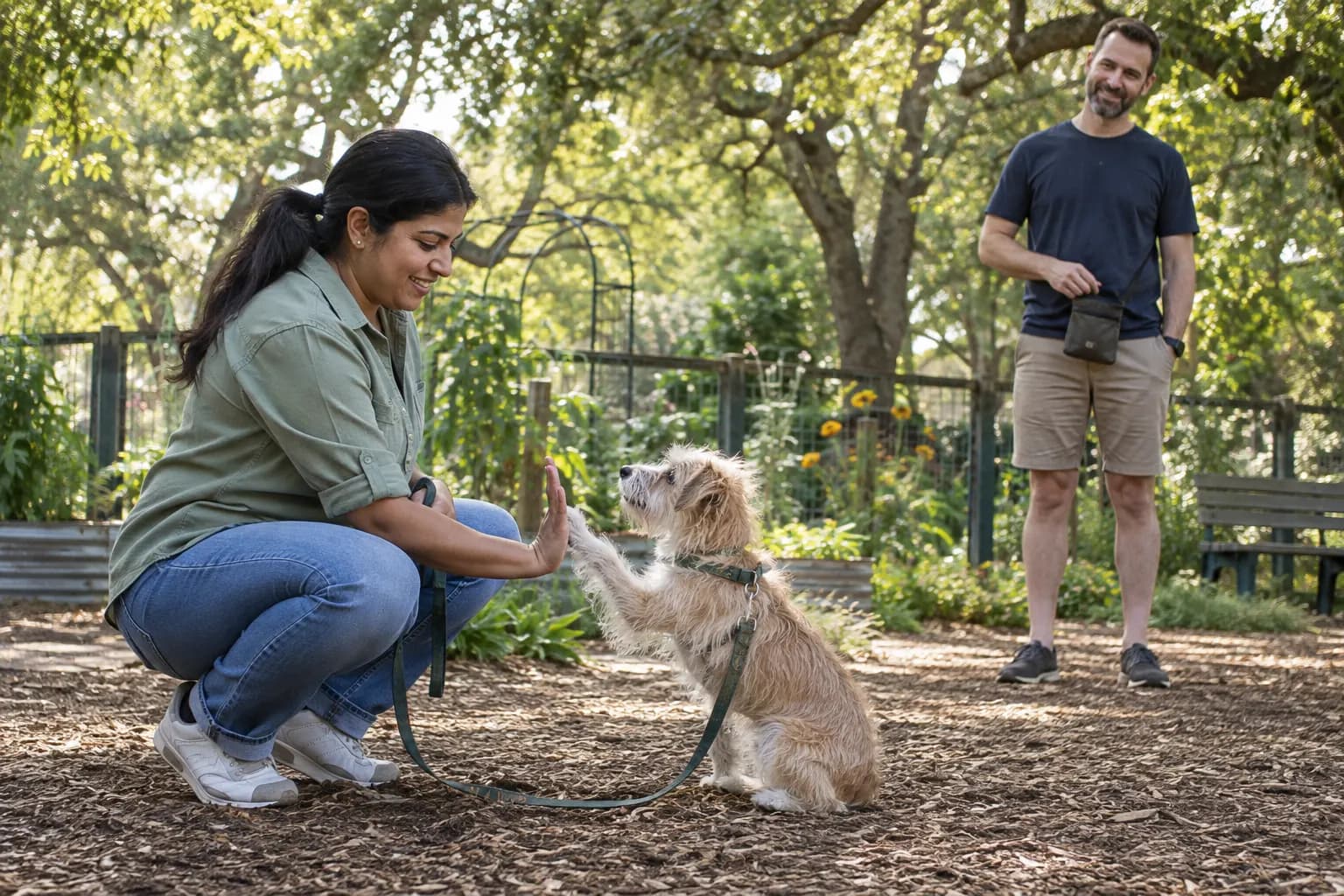
Help a dog respond to more than one familiar person by agreeing on one cue, one easy criterion, and a calm handover.
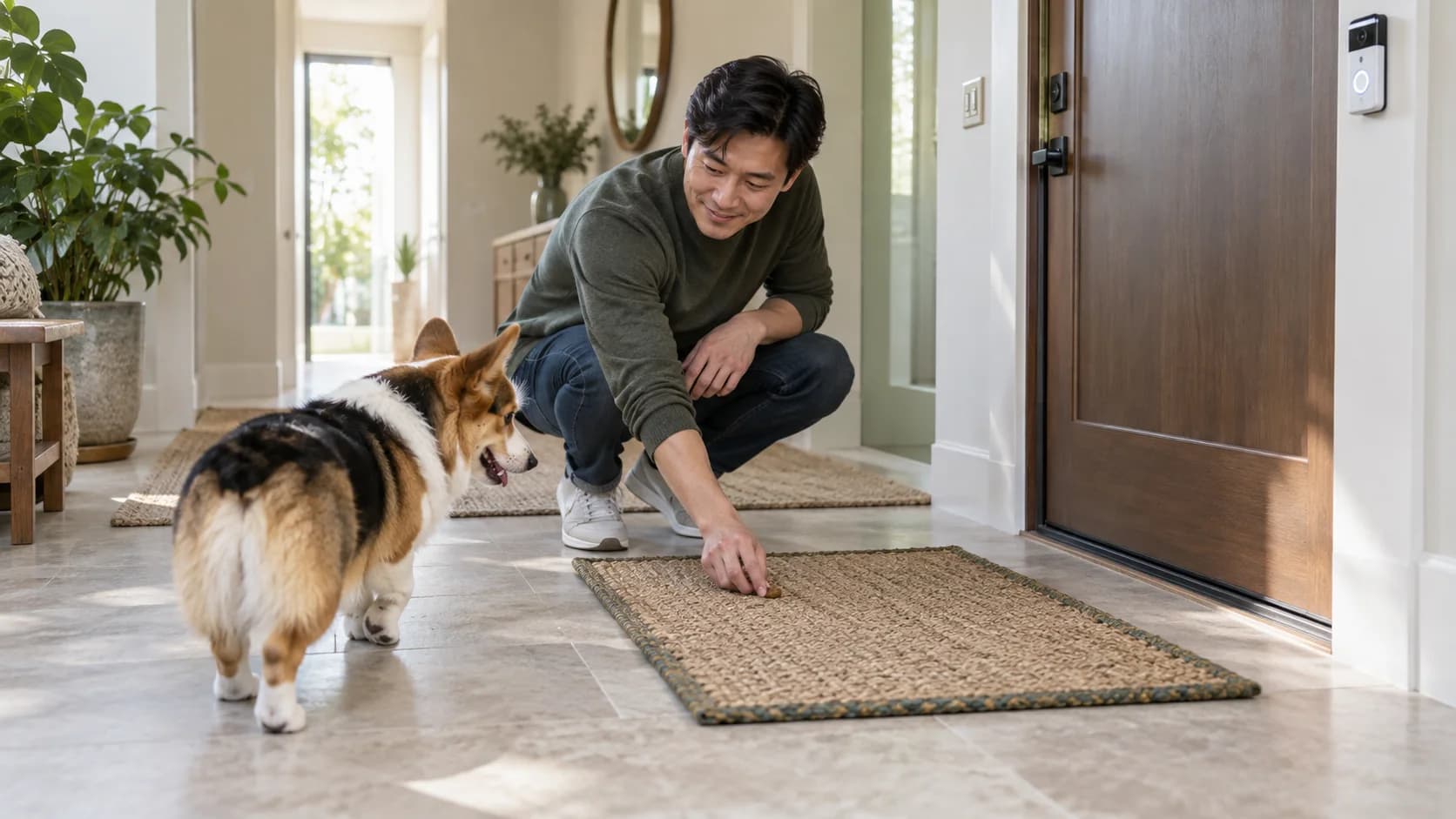
Separate the chime, the rush to the door, and the visitor arrival so your dog can learn one calm, safe response at a time.
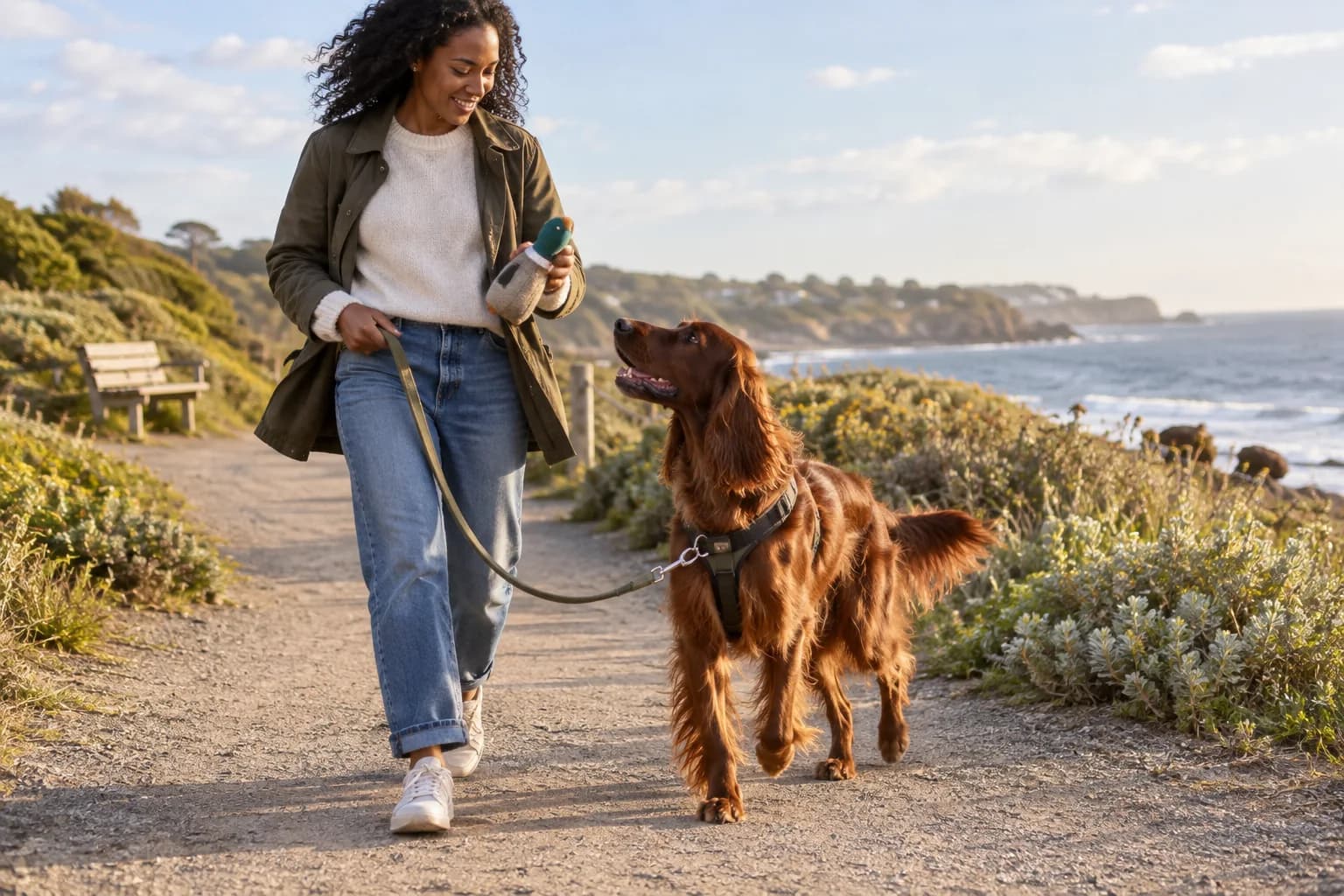
Find the moment the leash becomes a toy or a protest, then practise a safer alternative before the grabbing begins.

Protect your fingers and keep rewards useful: change delivery first, then teach a calm, voluntary way to take food.
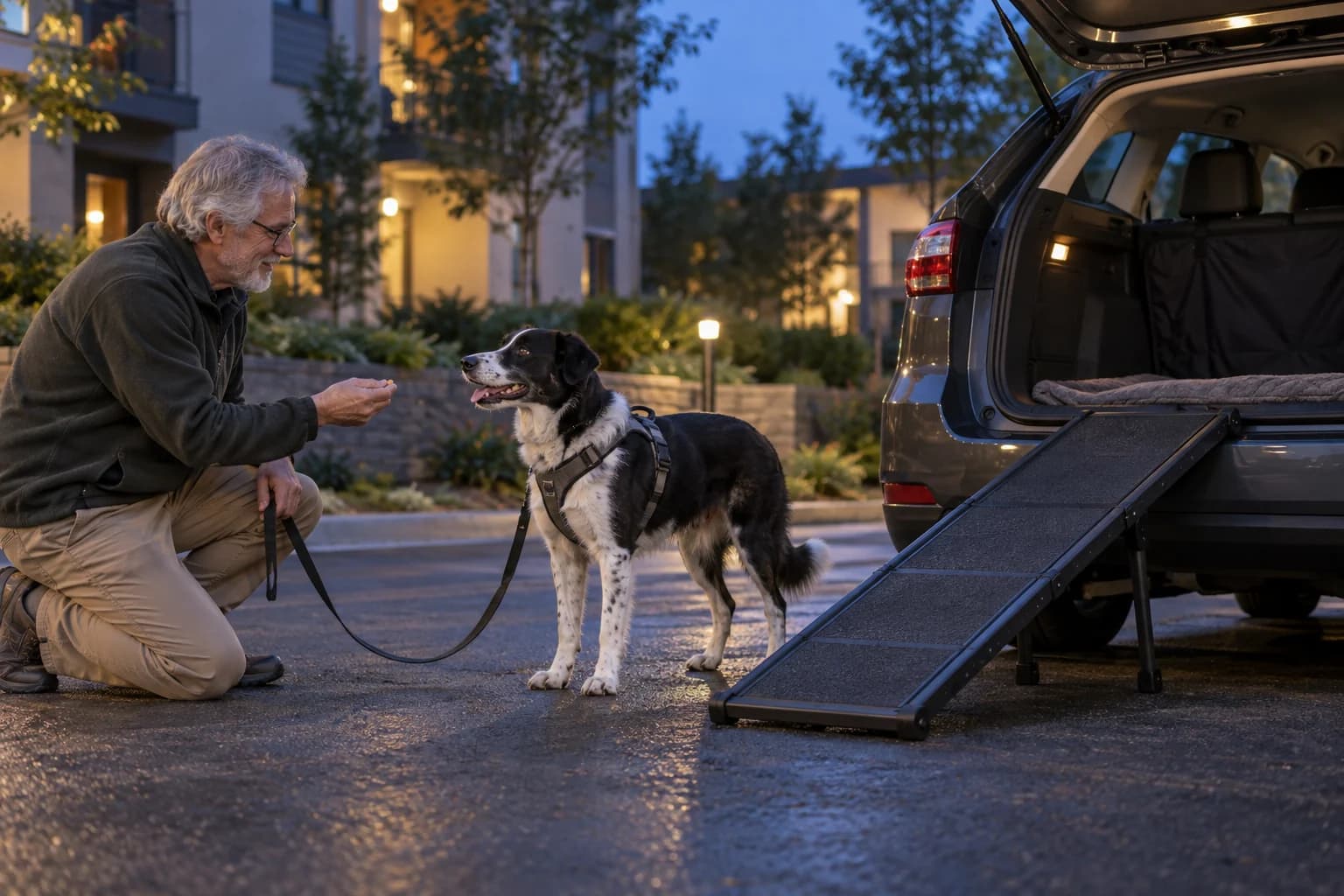
Find the exact step that worries your dog, then rebuild car entry with stable footing, voluntary movement, short repetitions, and a clear record.
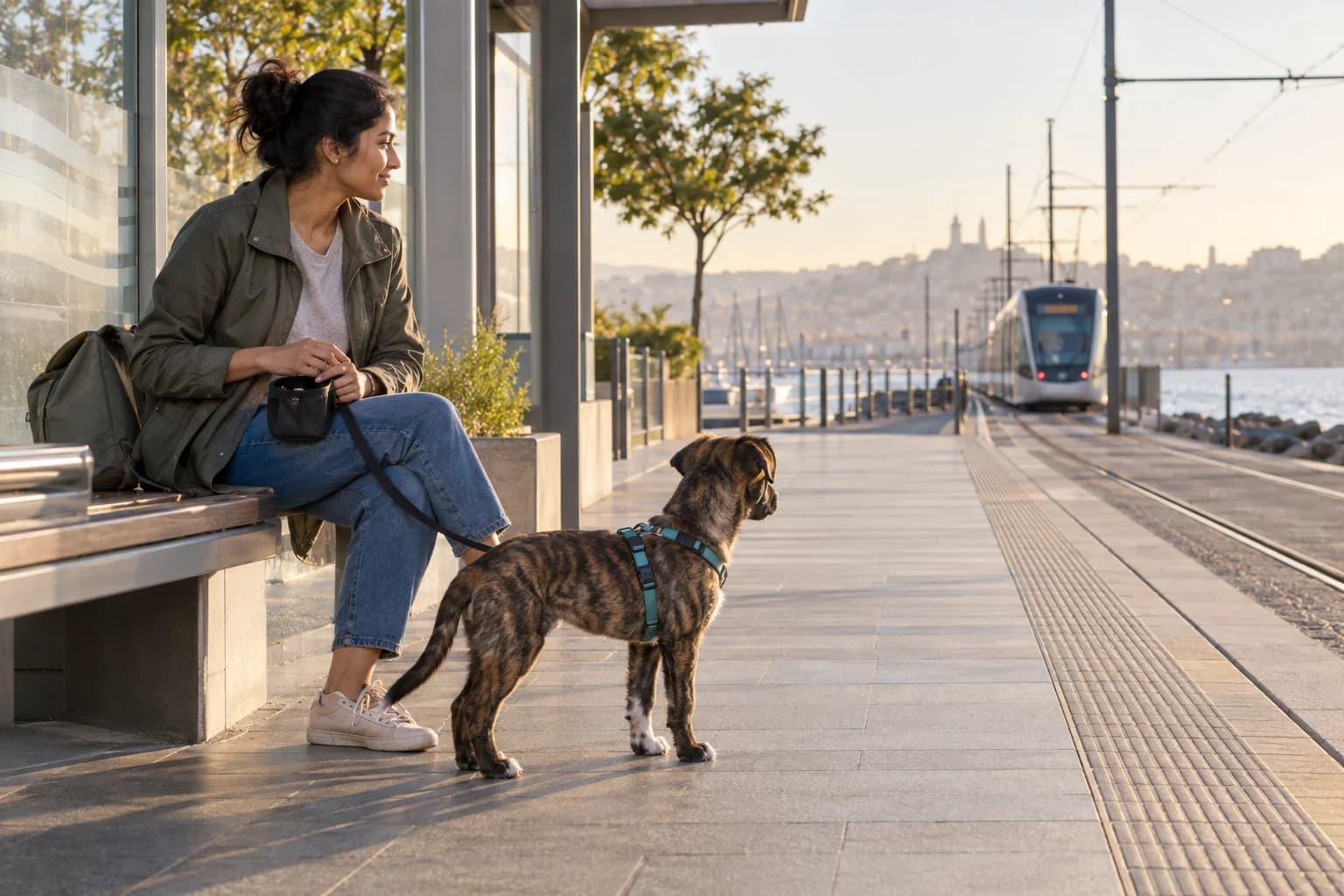
Plan calm, voluntary experiences with people, places, sounds, surfaces, handling, and rest without turning puppyhood into a race.
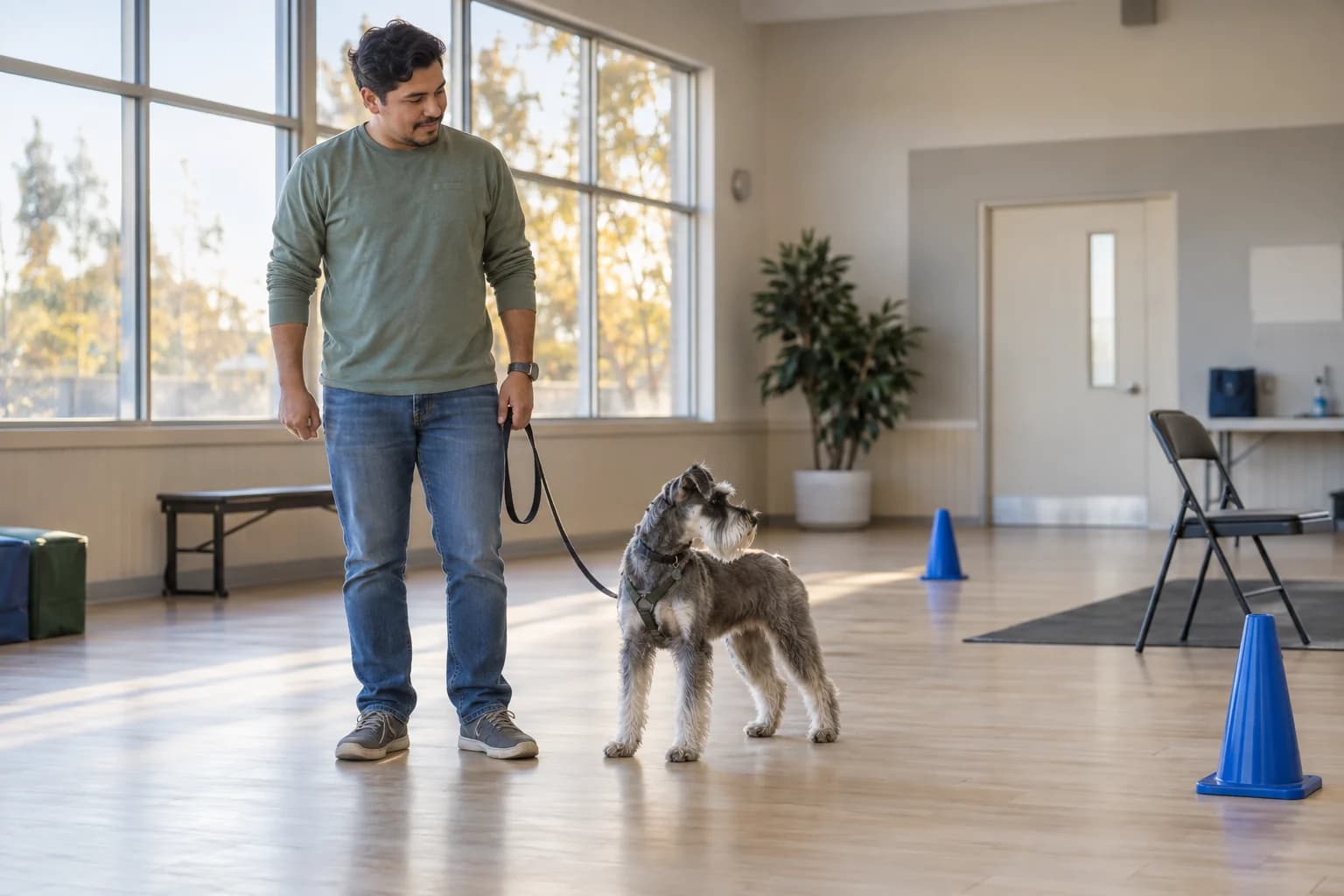
Replace repeated cues with one observable goal, an easier setup, and short practice you can measure across real-life situations.
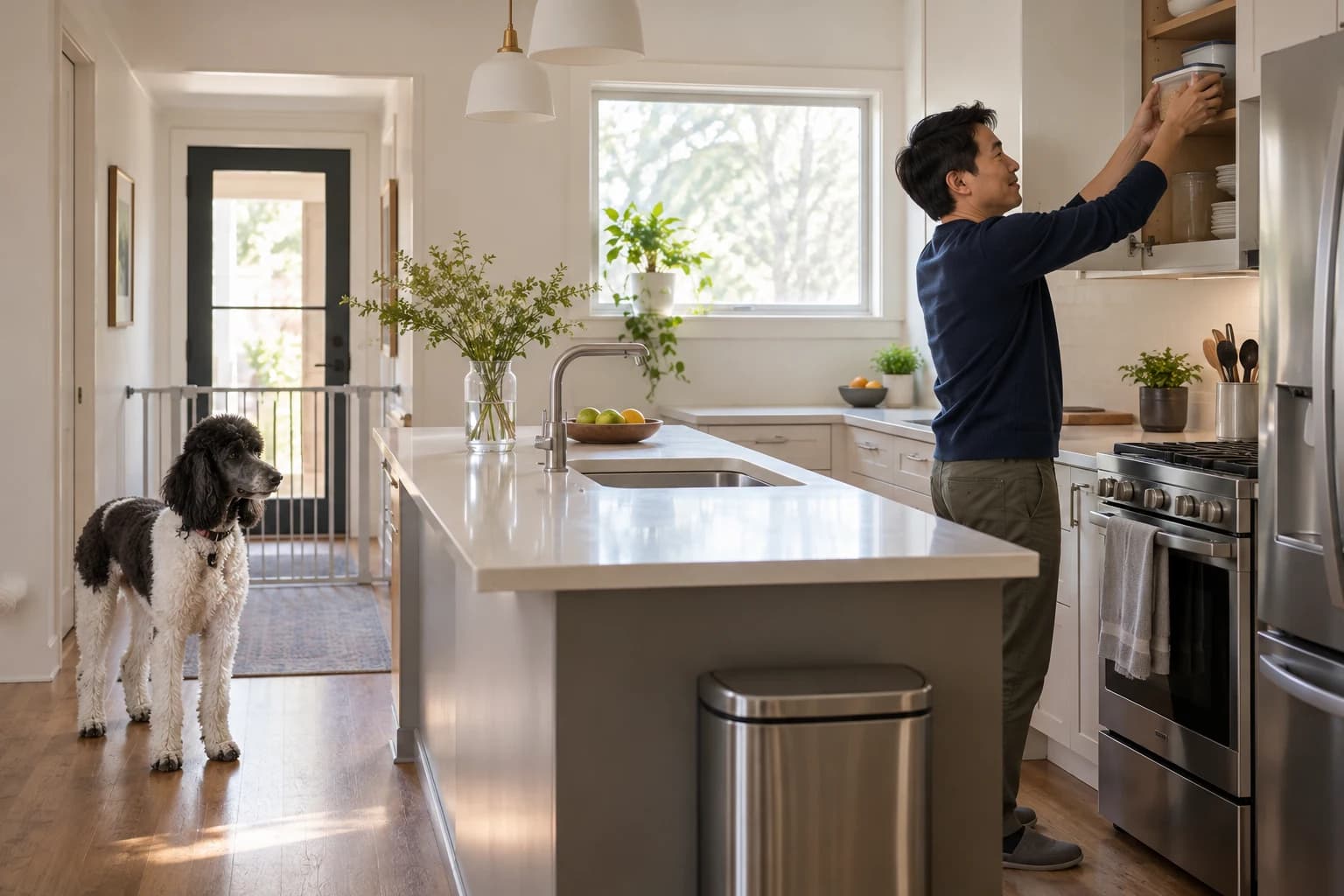
Remove the surprise rewards, teach a clear floor-level alternative, and make food preparation safer without shouting or traps.
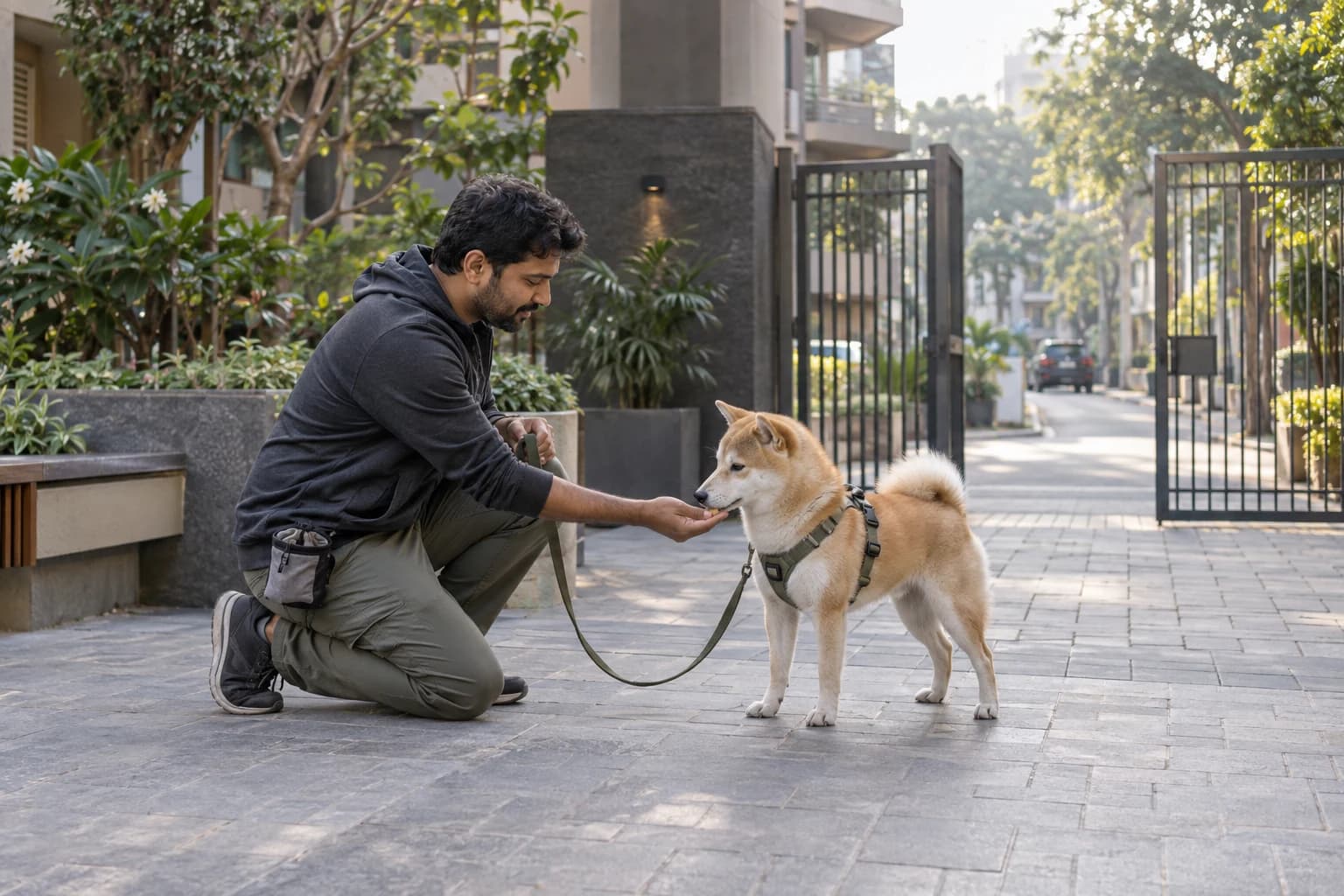
Use food refusal as useful information, find an easier starting point, and rebuild outdoor practice without bribing or pushing.
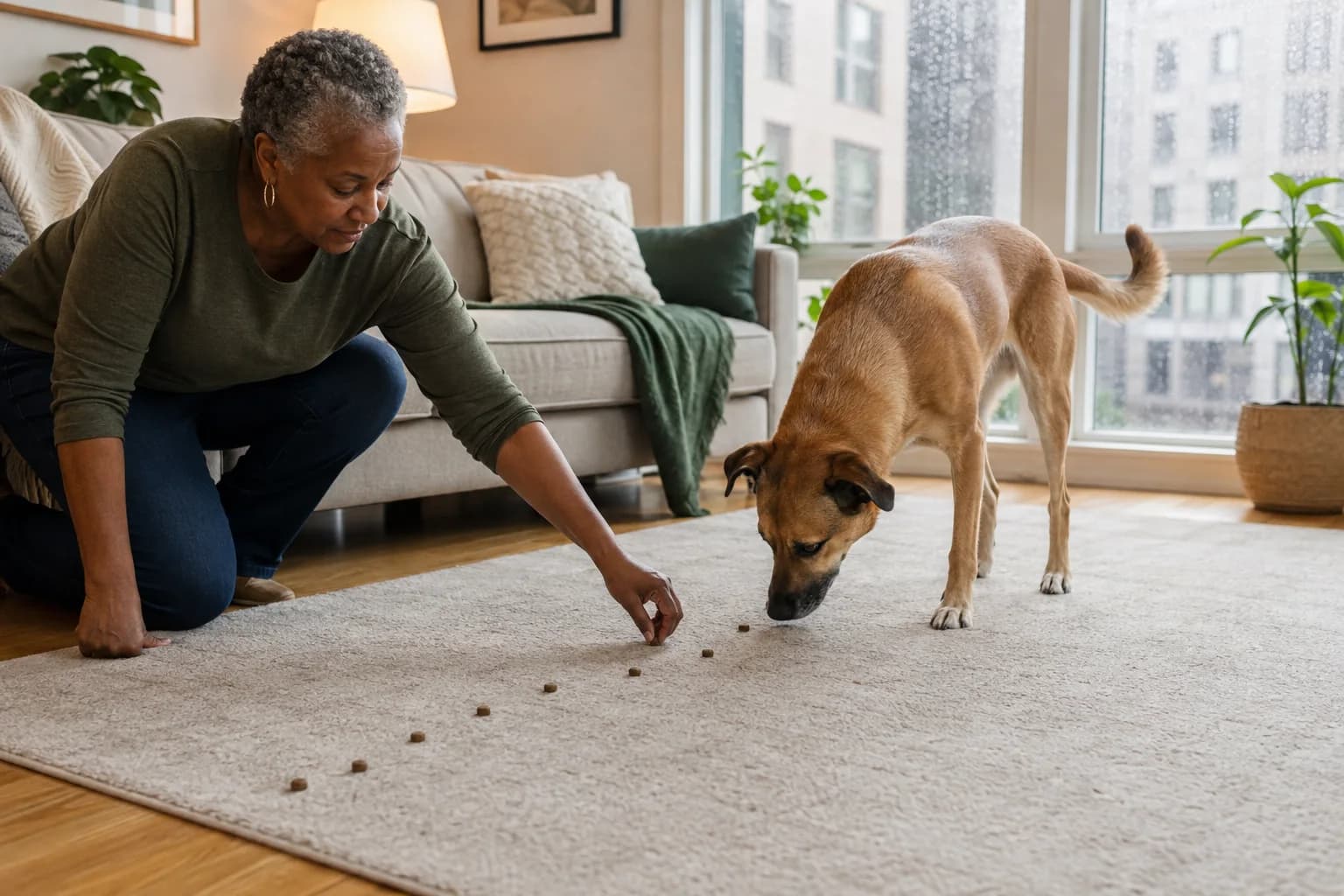
Turn one wet day into safe sniffing, problem-solving, gentle movement, and an easier transition back to rest.
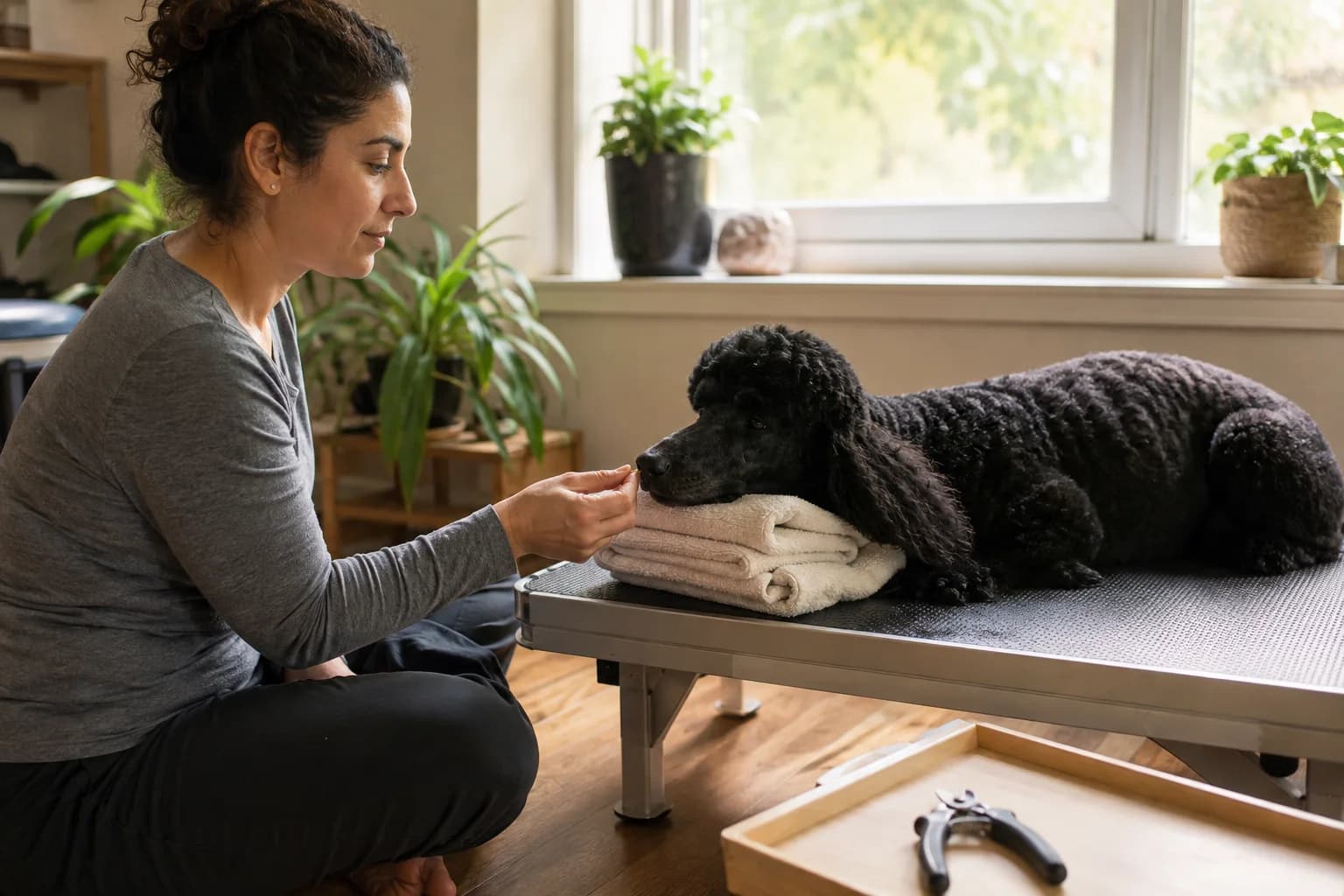
Replace the struggle to finish every nail with small, voluntary steps your dog can understand and repeat.
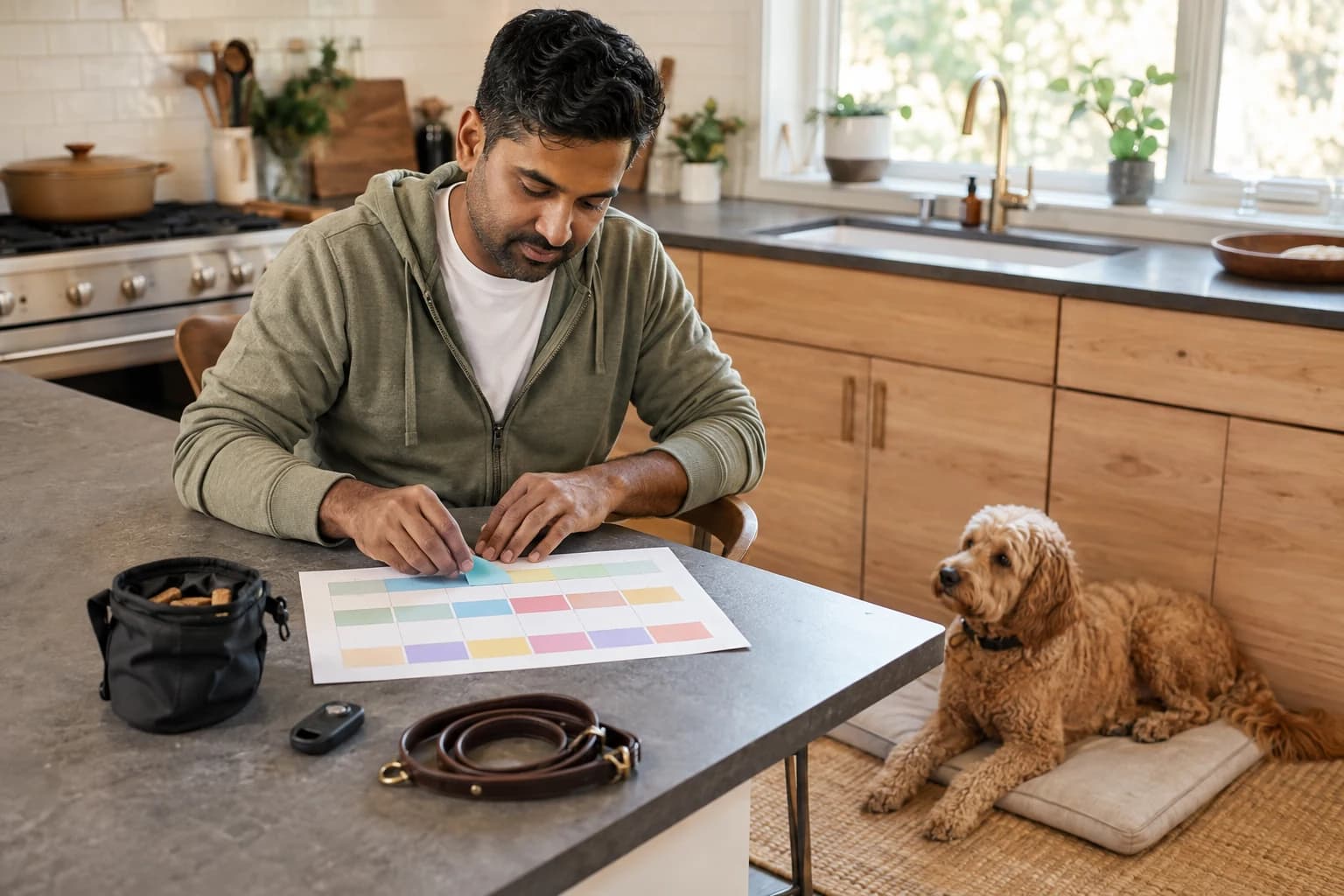
Turn a vague intention to train more into seven realistic days of short practice, useful rest, and measurable progress.
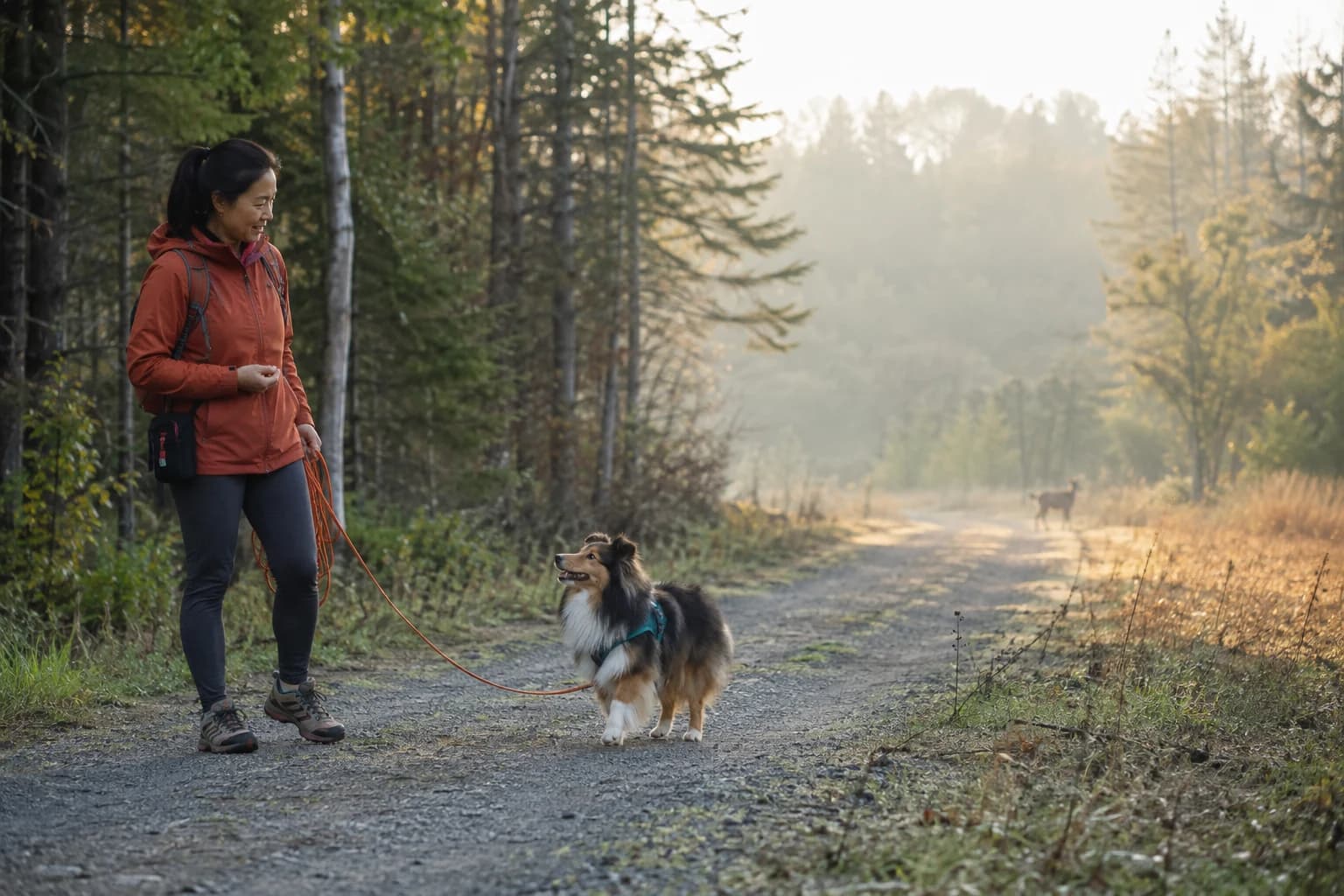
Build a safer response to deer, squirrels, birds, and fresh scent with a long line, useful rewards, and carefully measured practice.
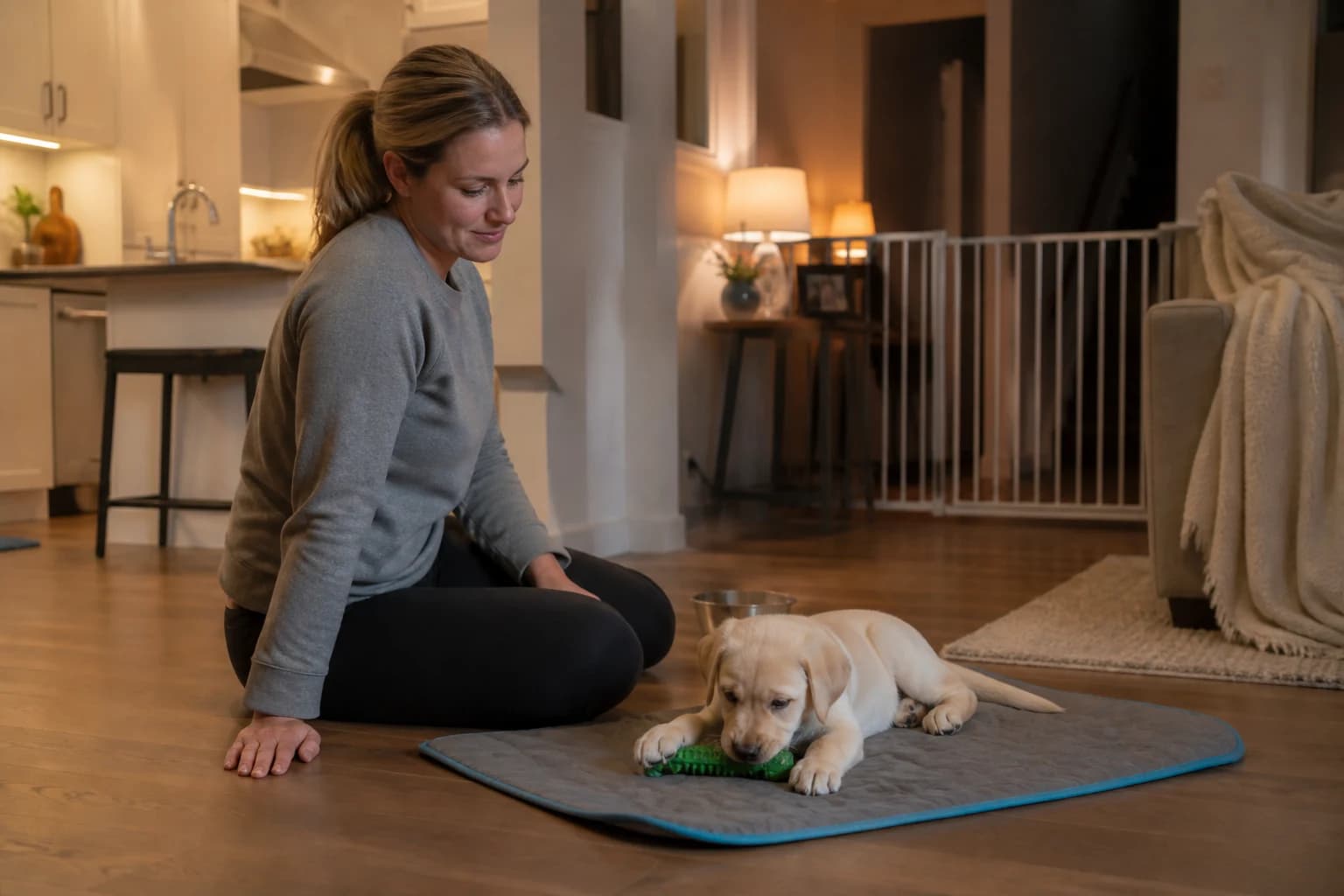
Replace frantic evening improvisation with a predictable sequence for needs, decompression, quiet choices, and sleep.
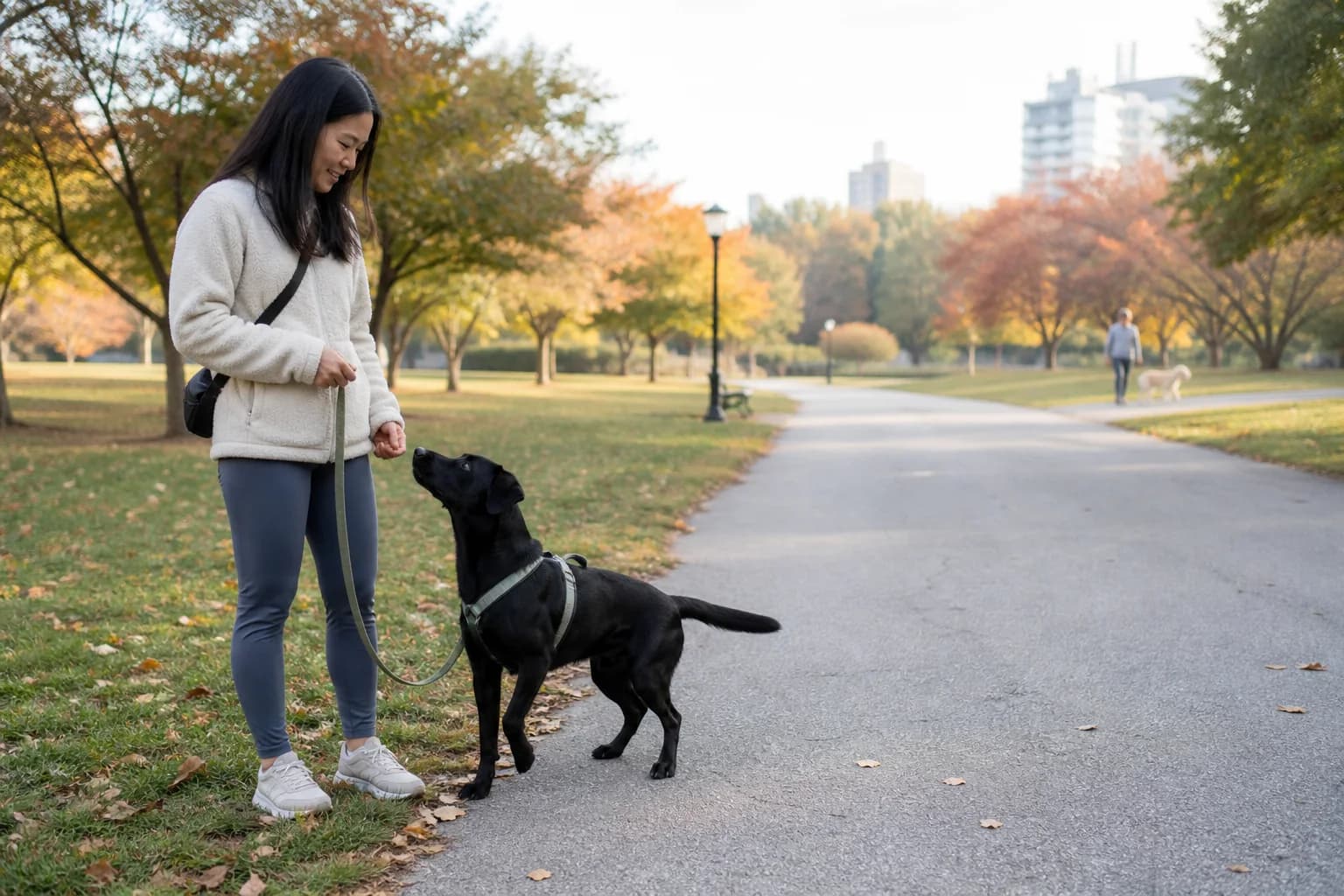
Create enough distance to think, reward voluntary check-ins, and change one part of the encounter at a time.
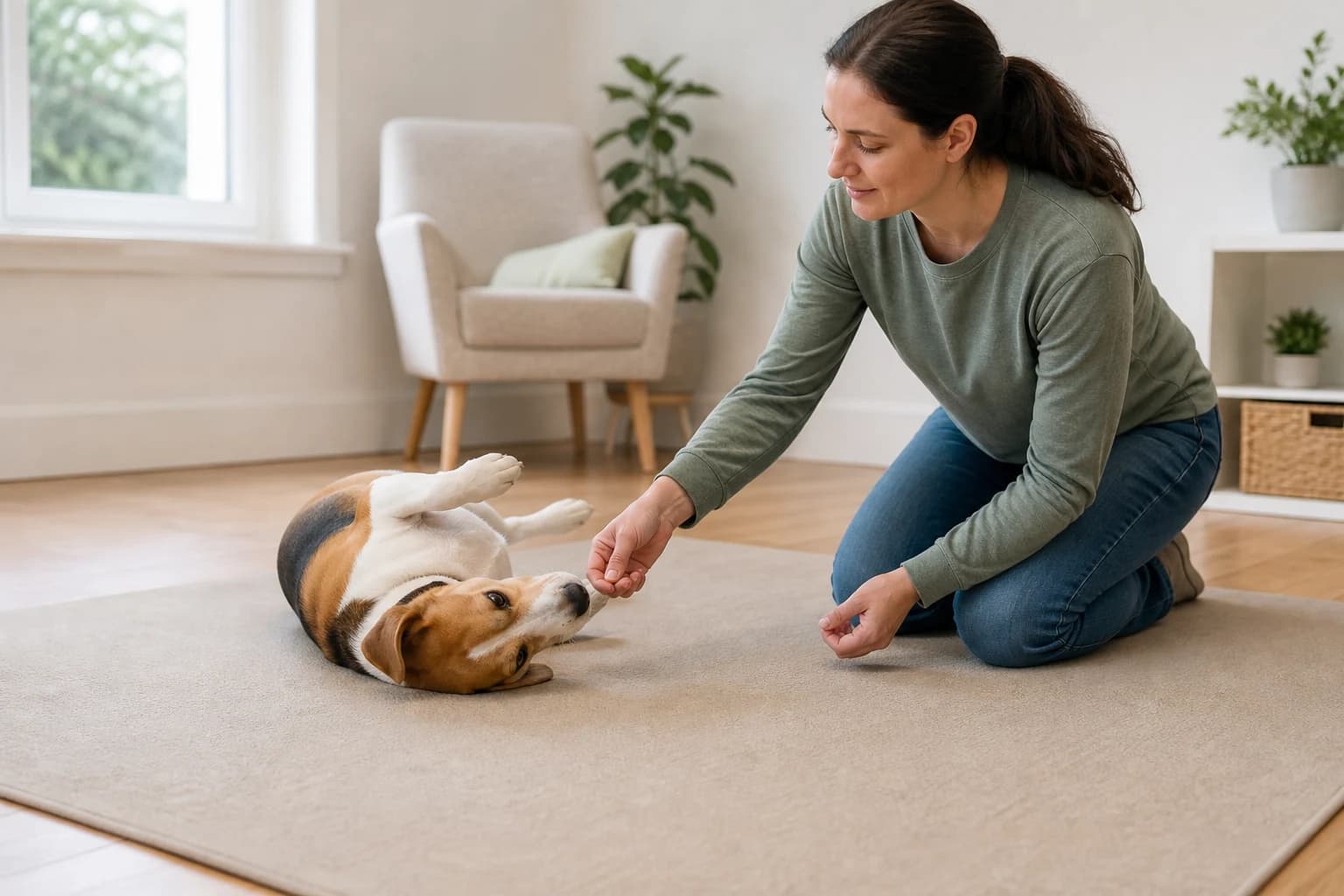
Build a comfortable side position, guide one easy turn, and add the cue only after your dog can complete the movement willingly.
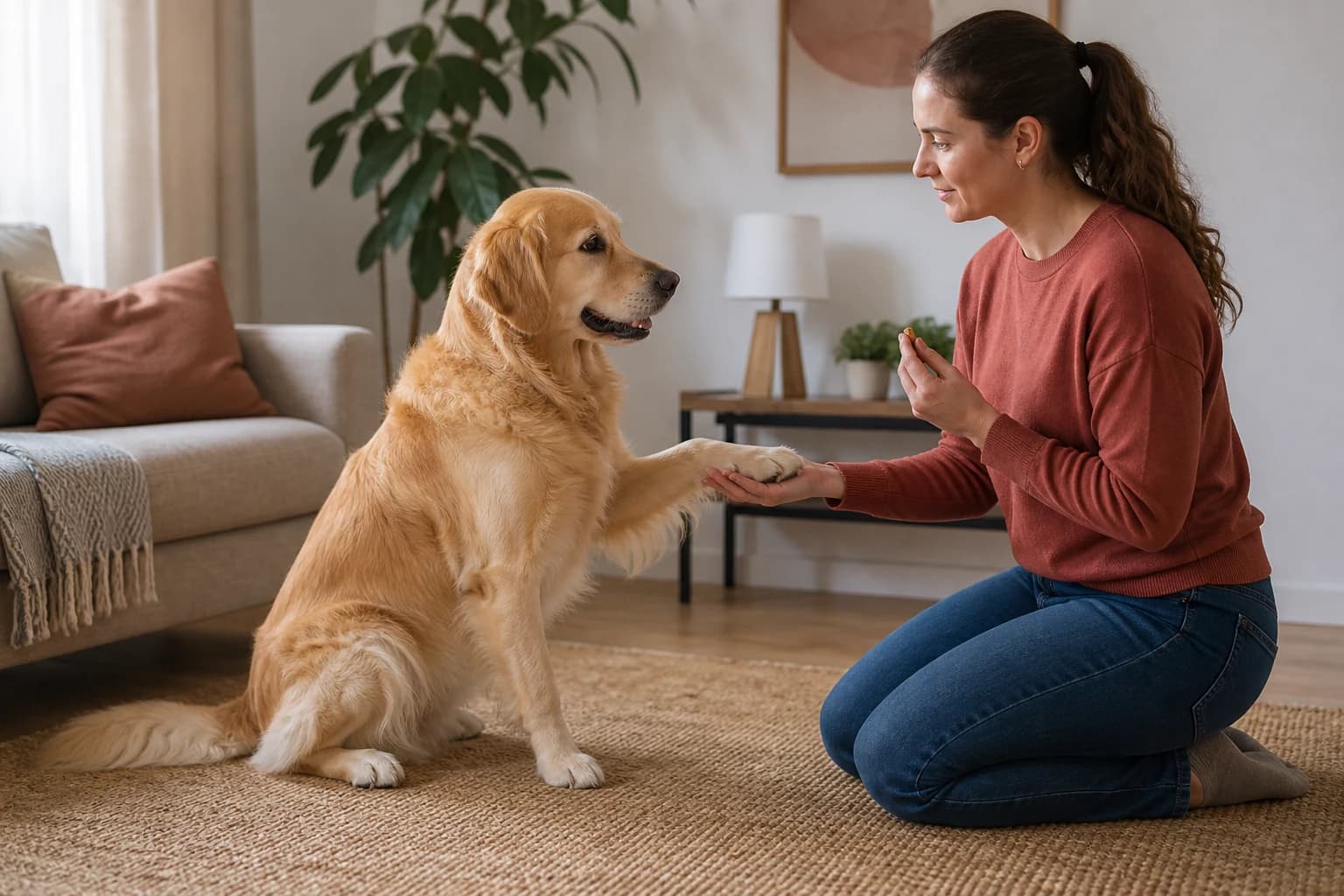
Capture one voluntary paw lift, reward a soft touch, add an open-hand target, and teach a friendly shake without grabbing the leg.
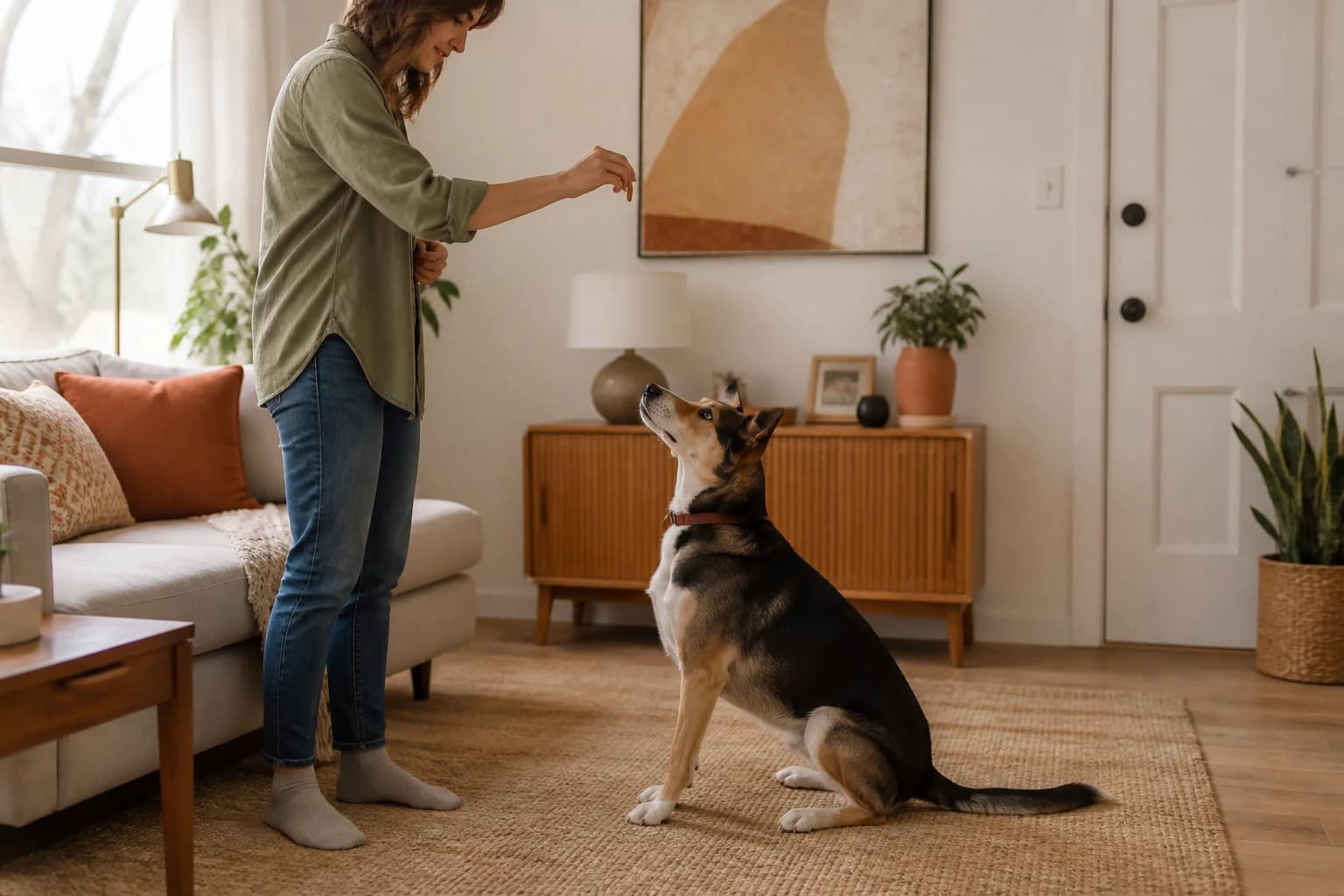
Build a comfortable sit with one clear hand motion, precise rewards, a release cue, and short practice that works beyond the kitchen.
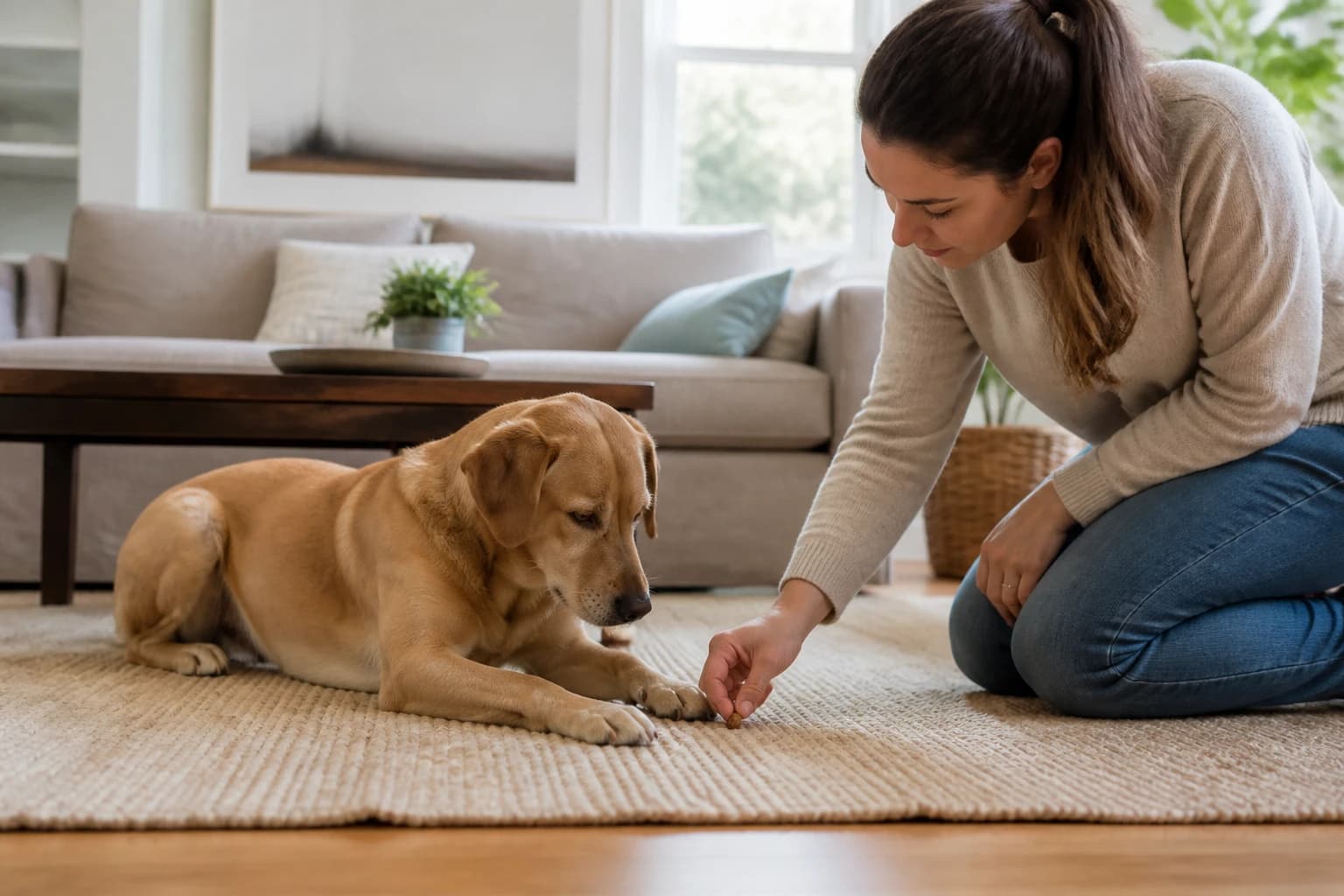
Teach a comfortable down by capturing or luring the movement, rewarding low between the paws, and adding the cue only when the behavior is predictable.
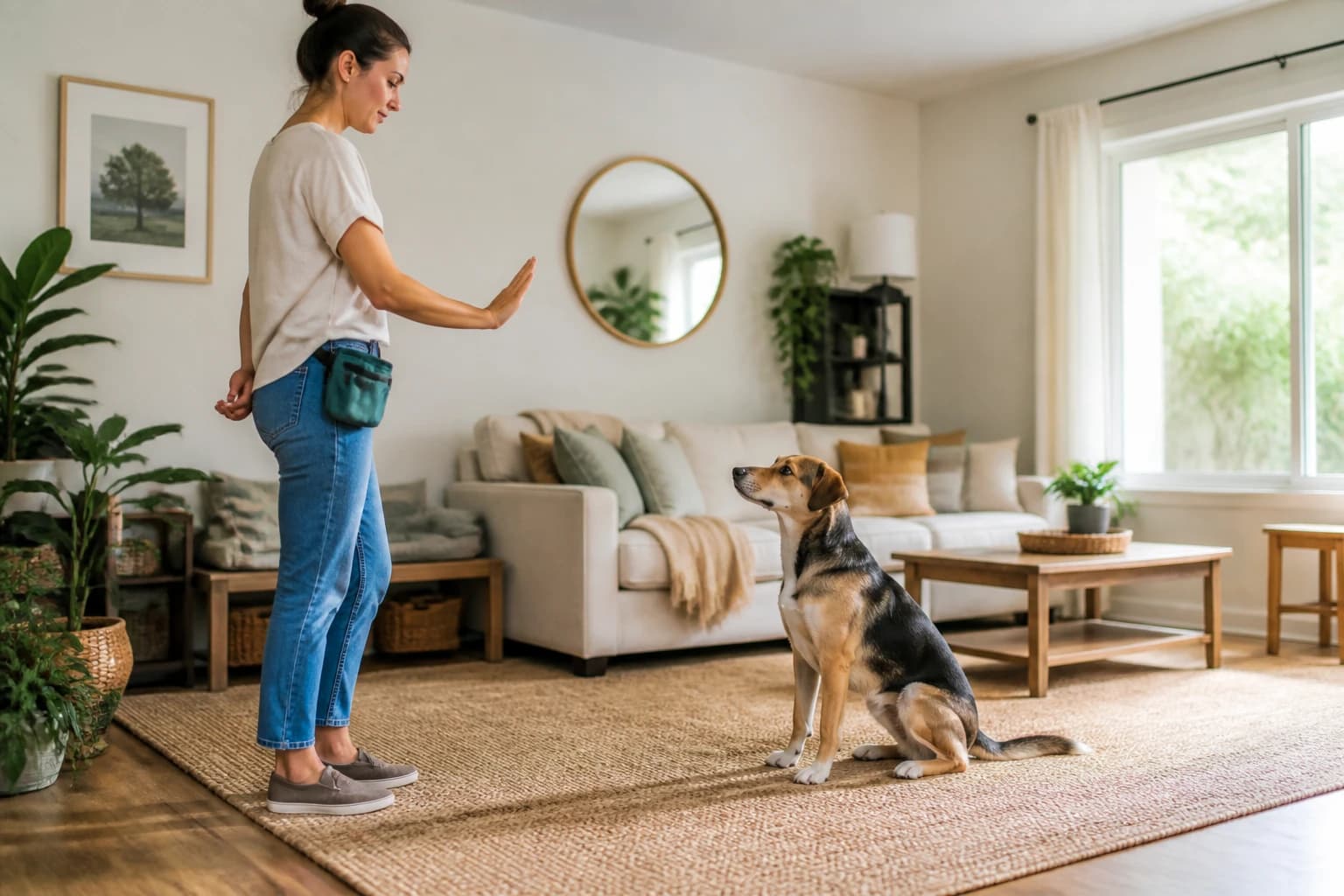
Build a useful stay with a clear release cue, tiny increases in time and distance, and rewards that make holding position worthwhile.
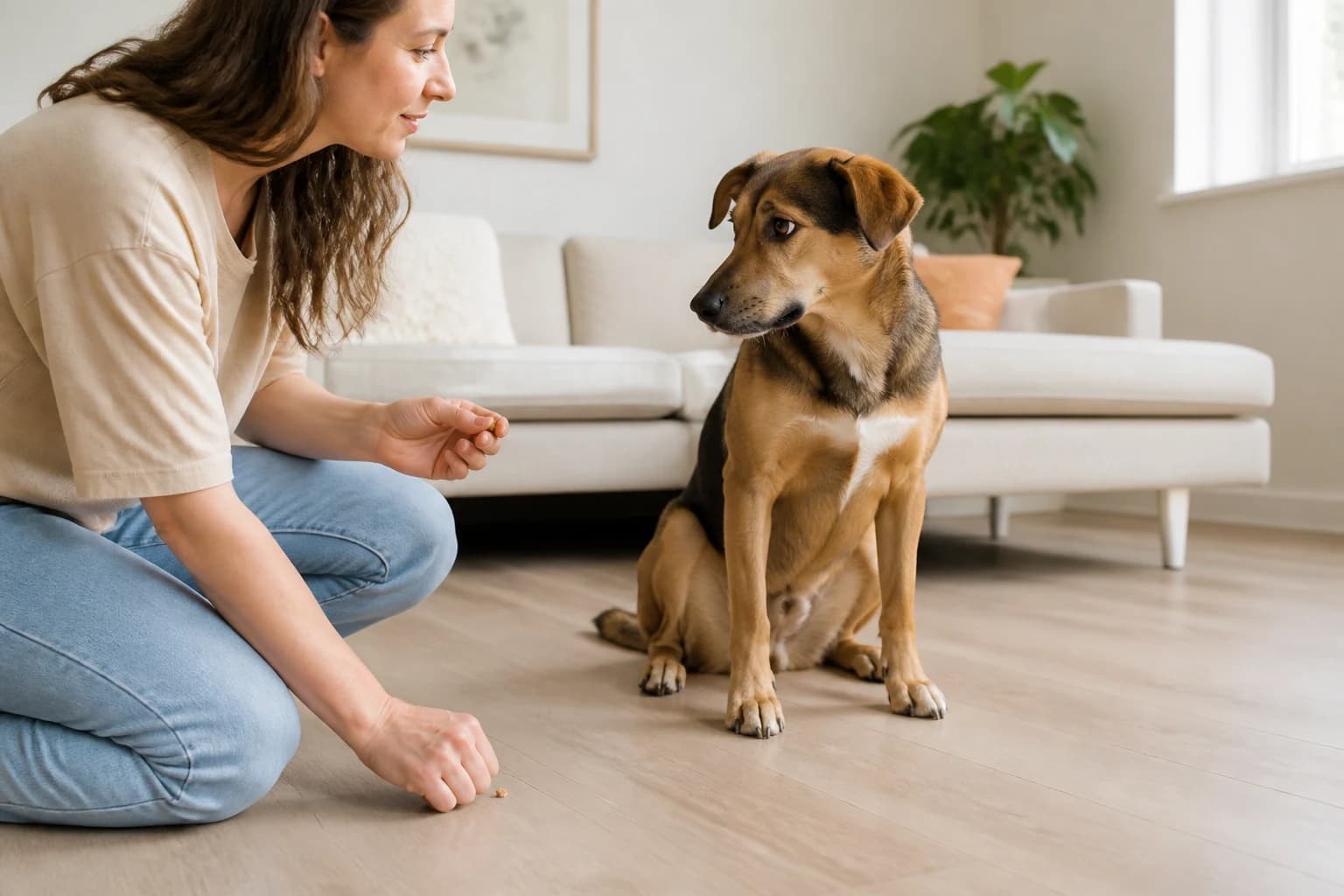
Teach your dog to turn away from food and everyday objects with a closed-hand setup, precise rewards, and safe progressions.
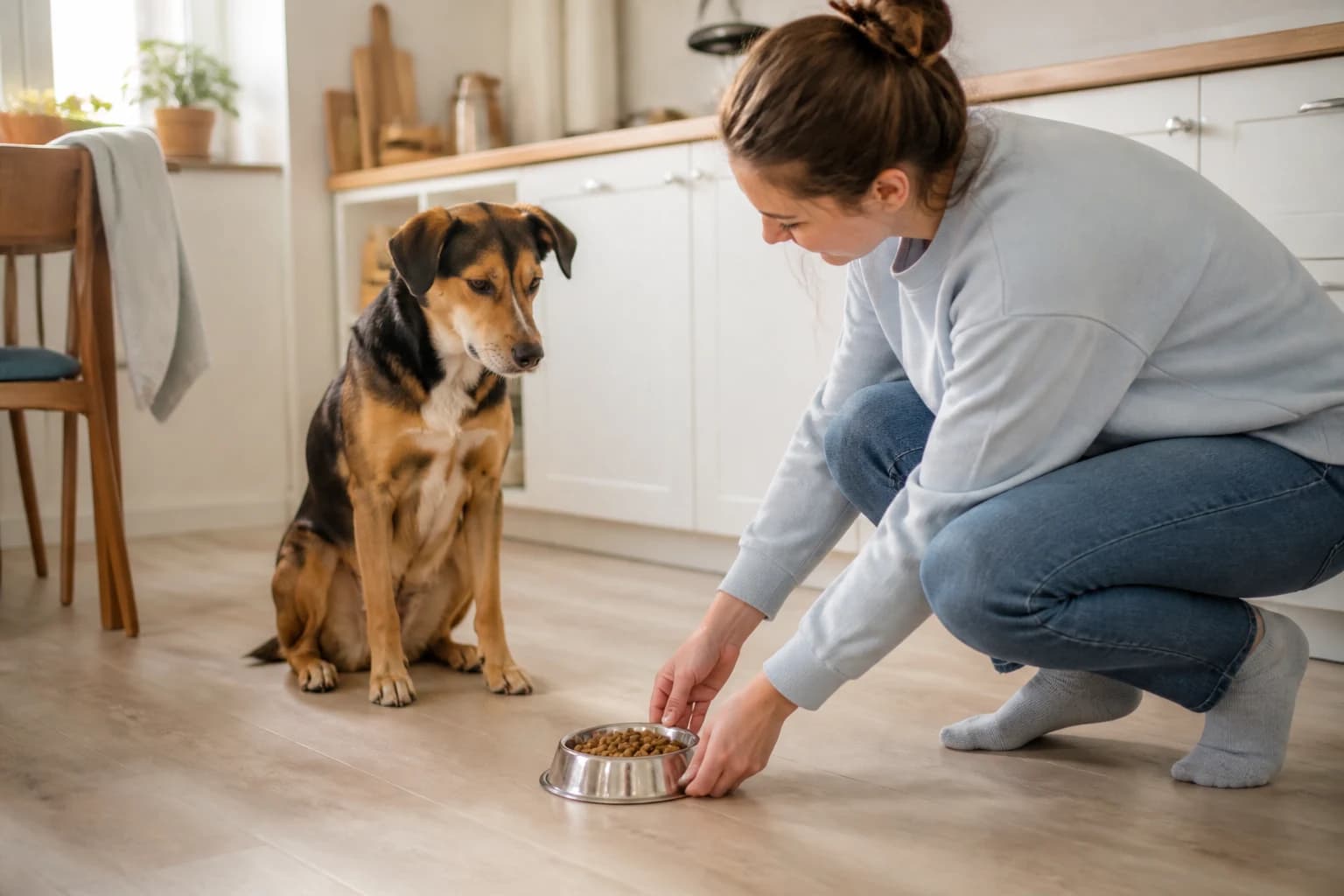
Build a calm pause and a clear release cue at mealtimes without teasing, looming, or turning the bowl into a test of endurance.
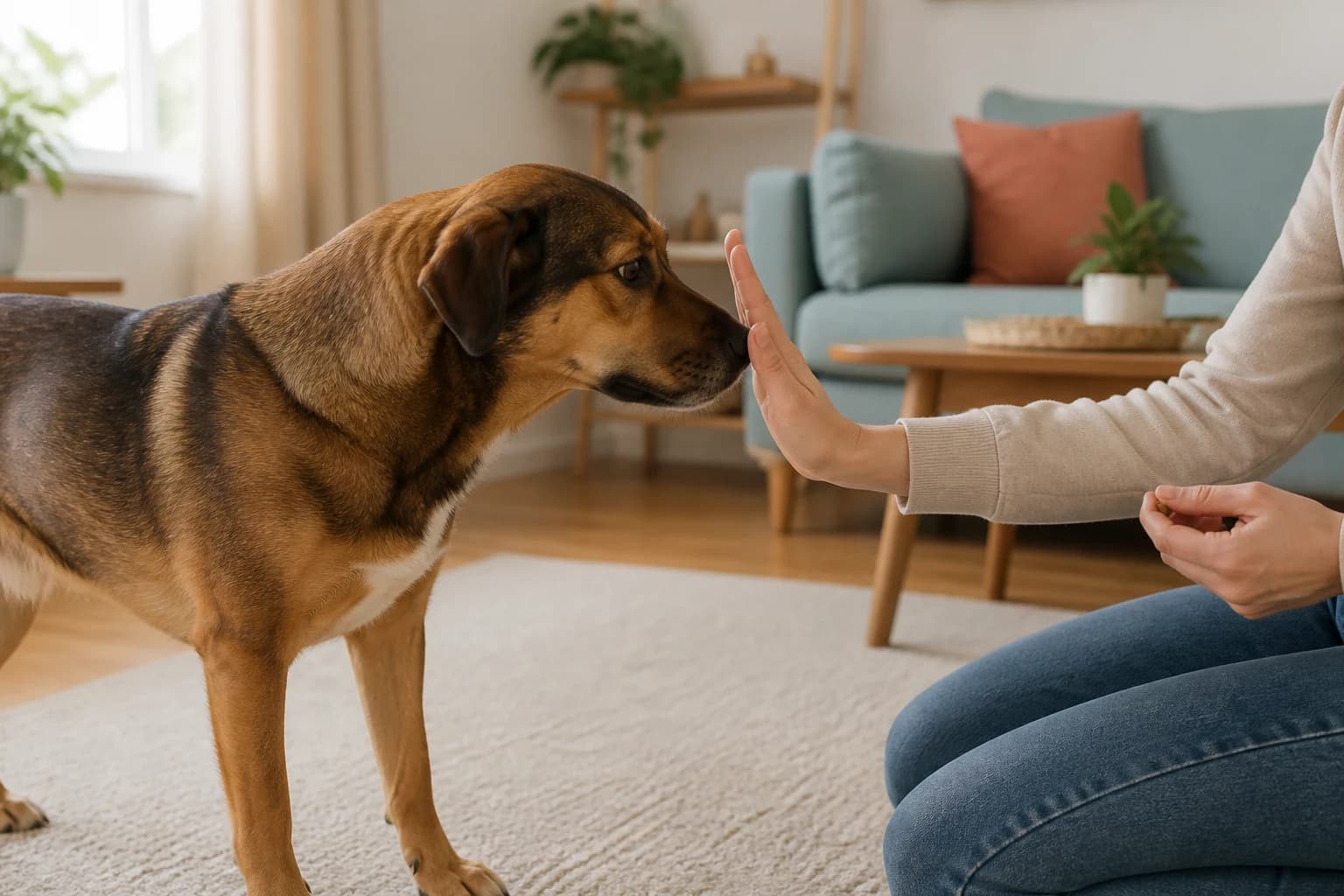
Teach your dog to touch an open palm on cue, then use the skill for movement, focus, grooming, and calmer everyday handling.
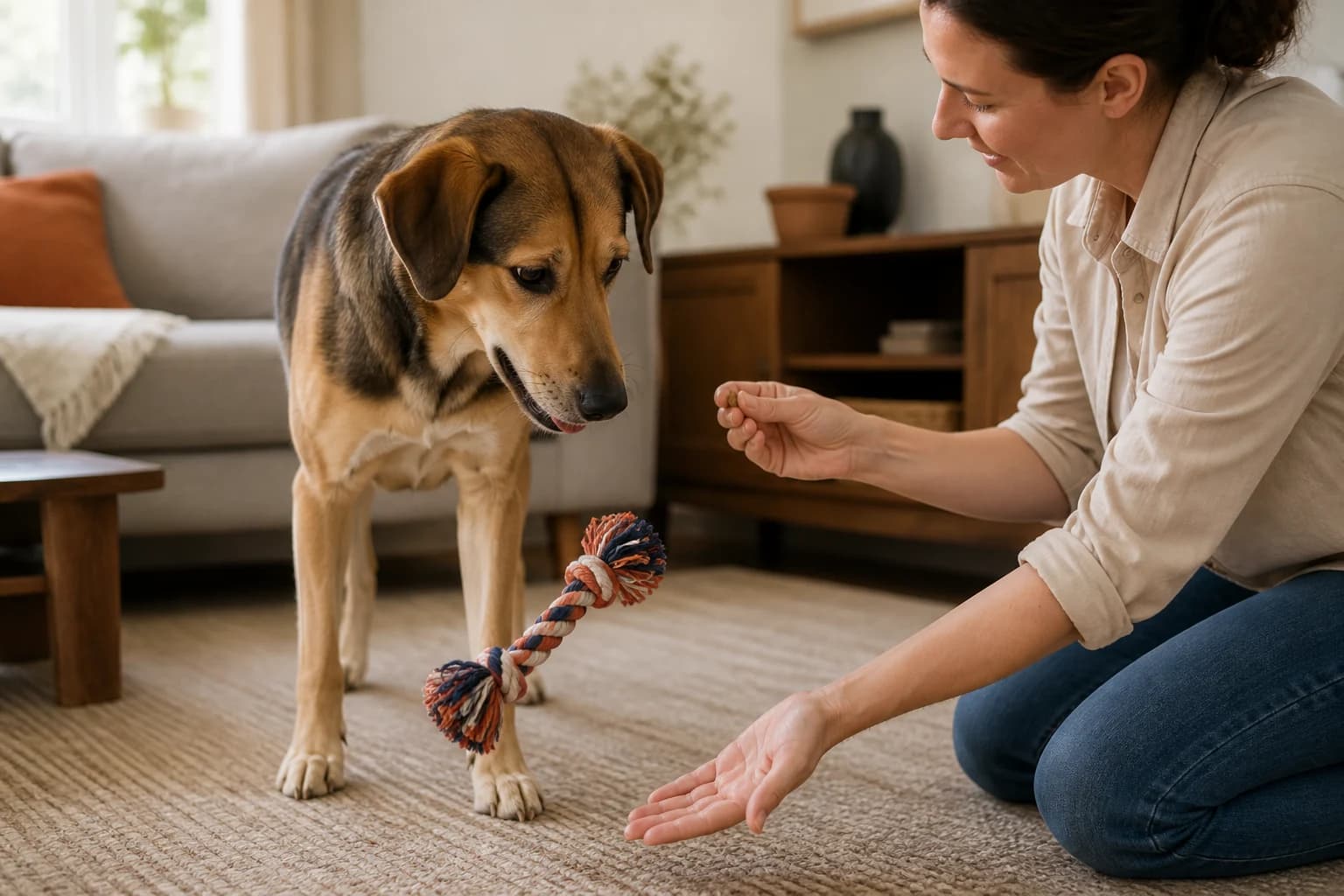
Turn releasing a toy into a predictable exchange, then build the cue without chasing, grabbing, or starting a tug-of-war.
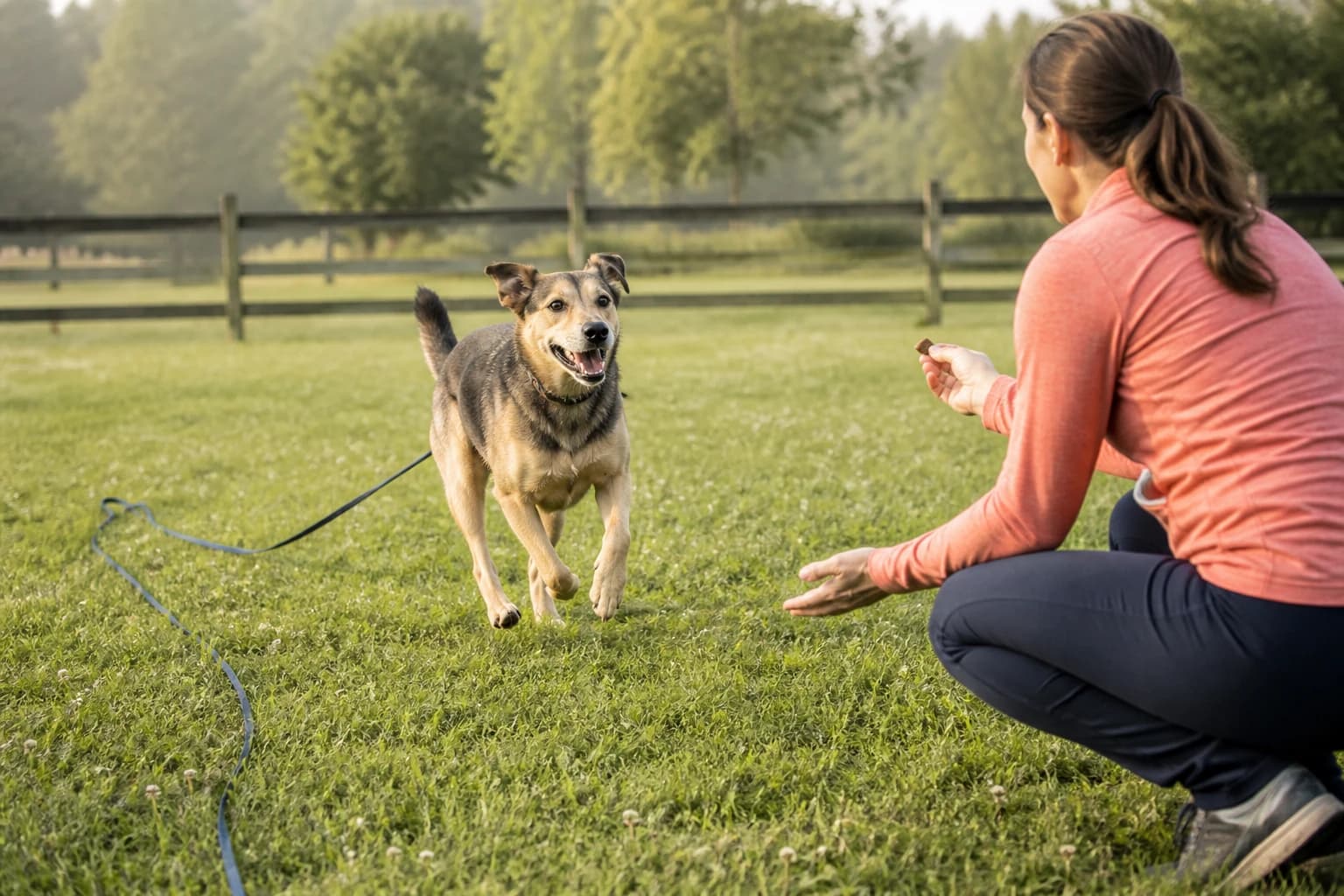
Five short games that build speed, attention, and trust without risking freedom before the skill is ready.
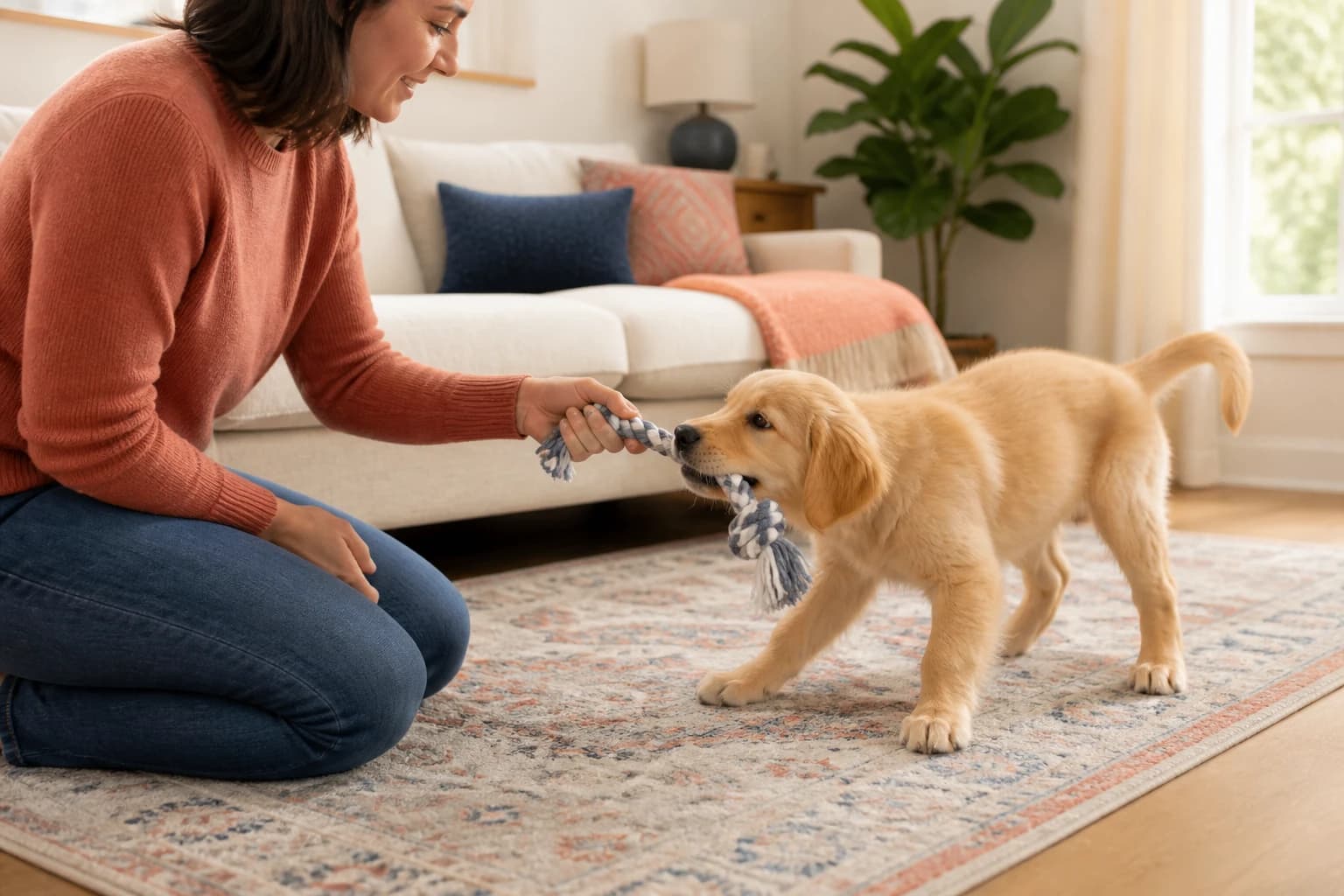
Understand why puppies mouth, protect hands and clothes, and teach softer choices without fear or physical punishment.
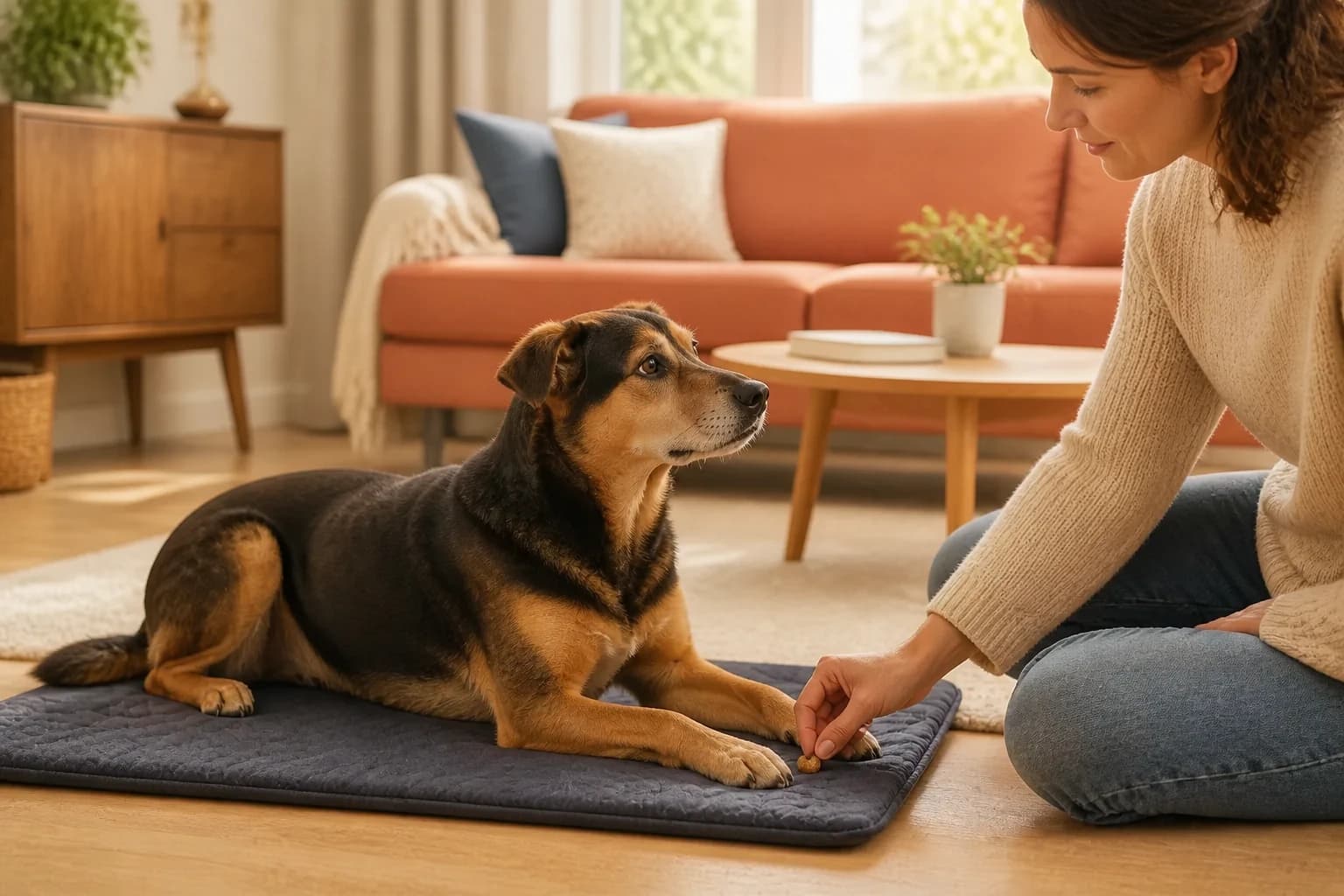
Build a portable place for calm with clear rewards, a release cue, and small steps that work beyond the living room.
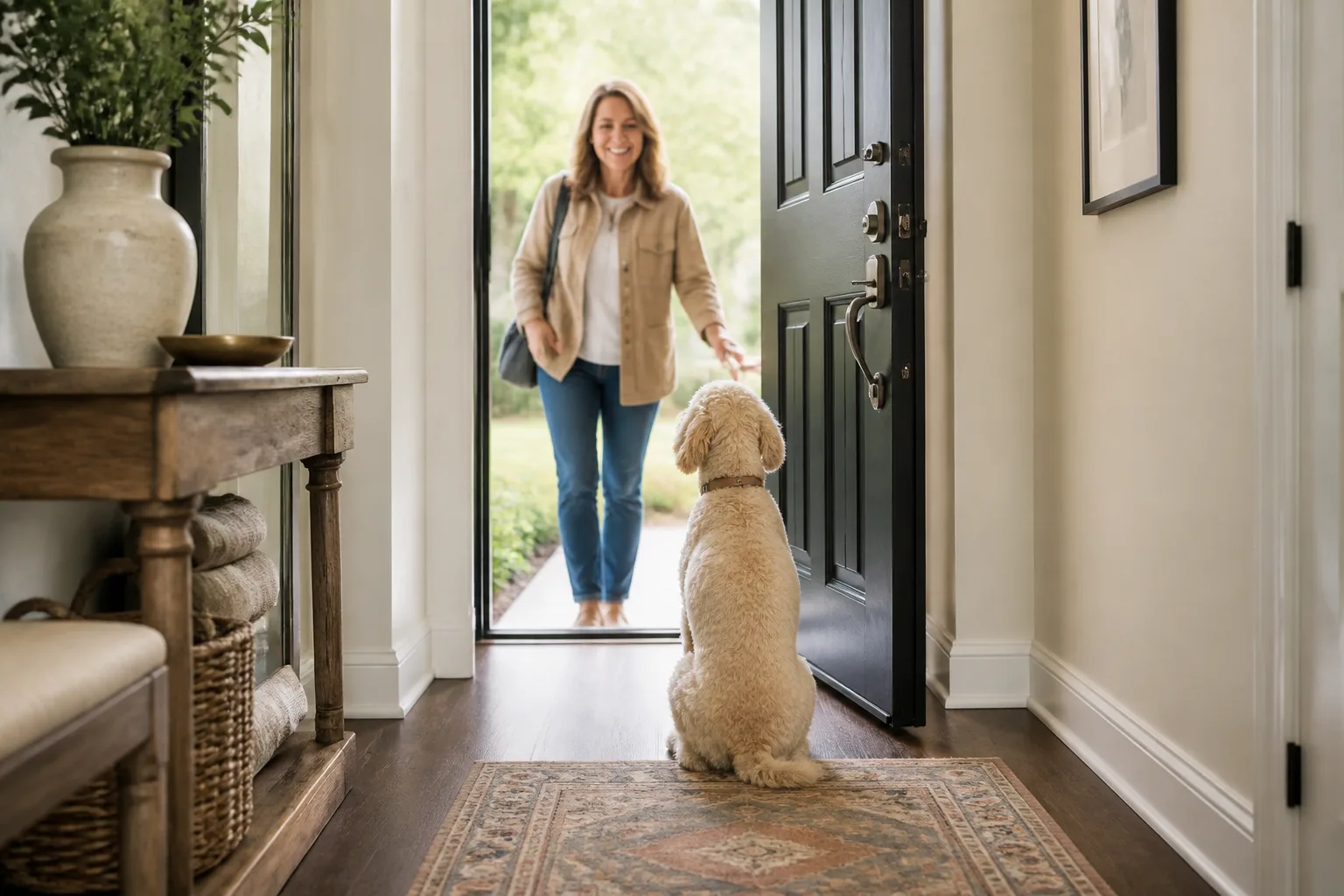
Teach four paws on the floor, control access to greetings, and give visitors a routine they can actually follow.
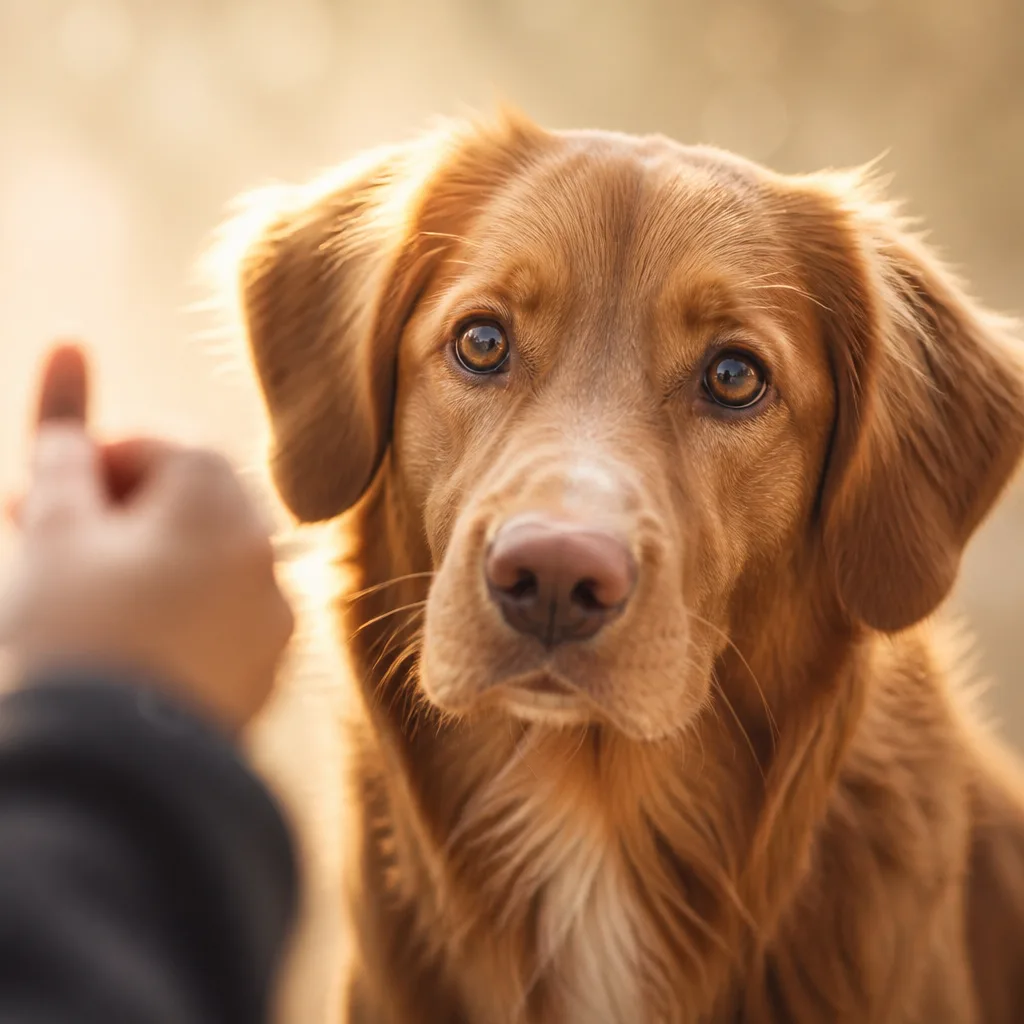
Rebuild attention, protect recall, and balance freedom with management through the teenage stage.
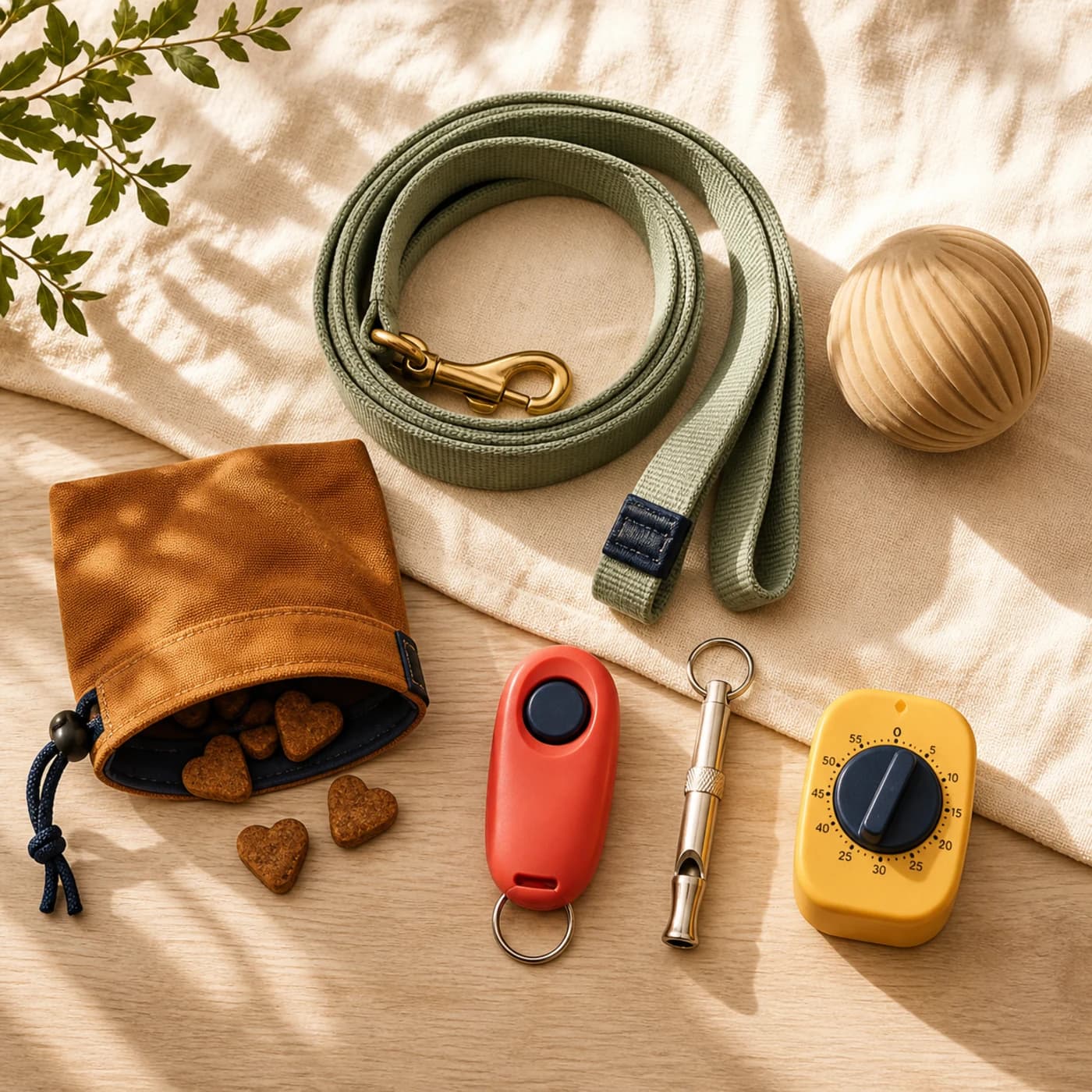
Choose rewards your dog values, mark cleanly, and deliver in a place that makes the next repetition easier.
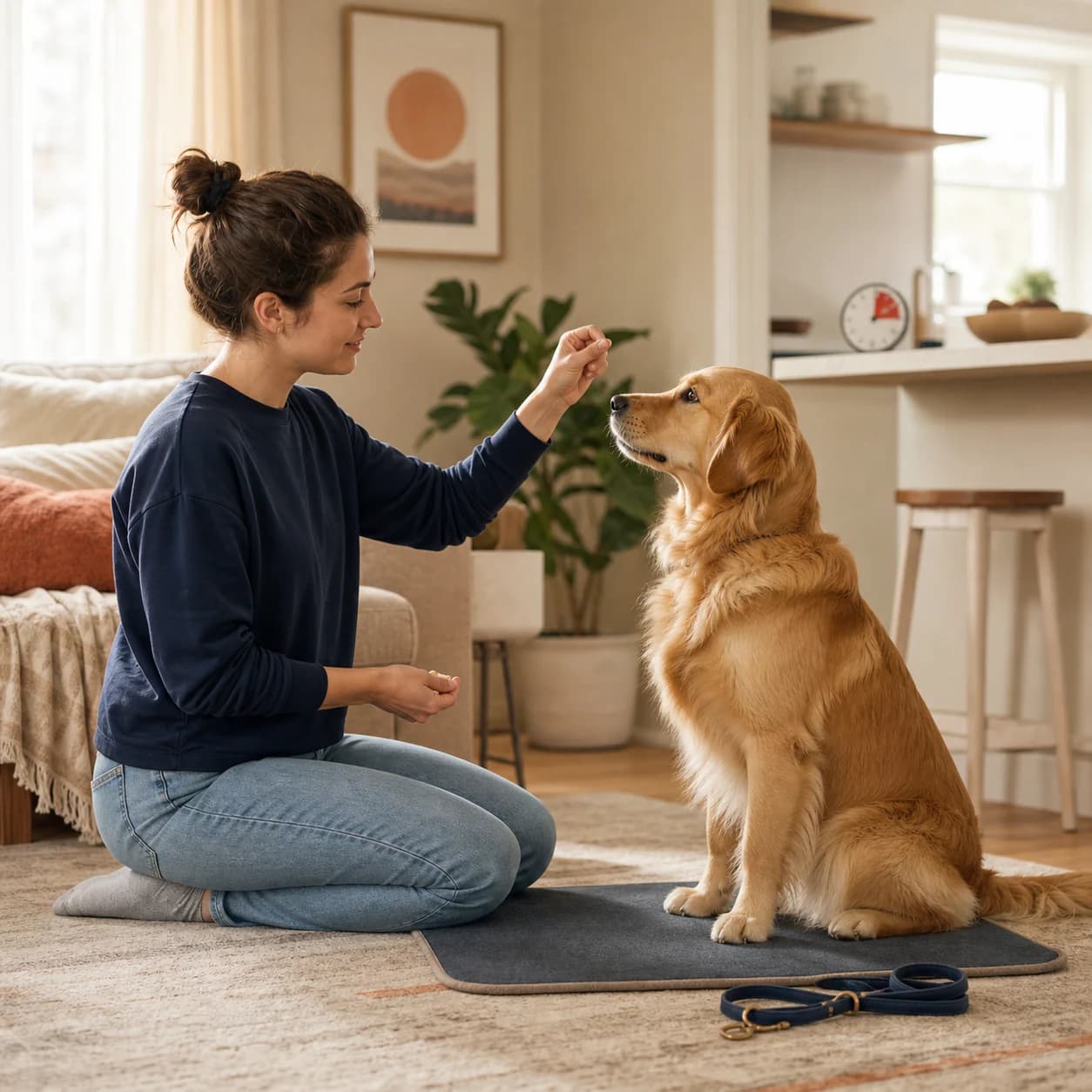
From tonight’s setup to the stamp that says “train next”, so you open the app and know exactly what to do.
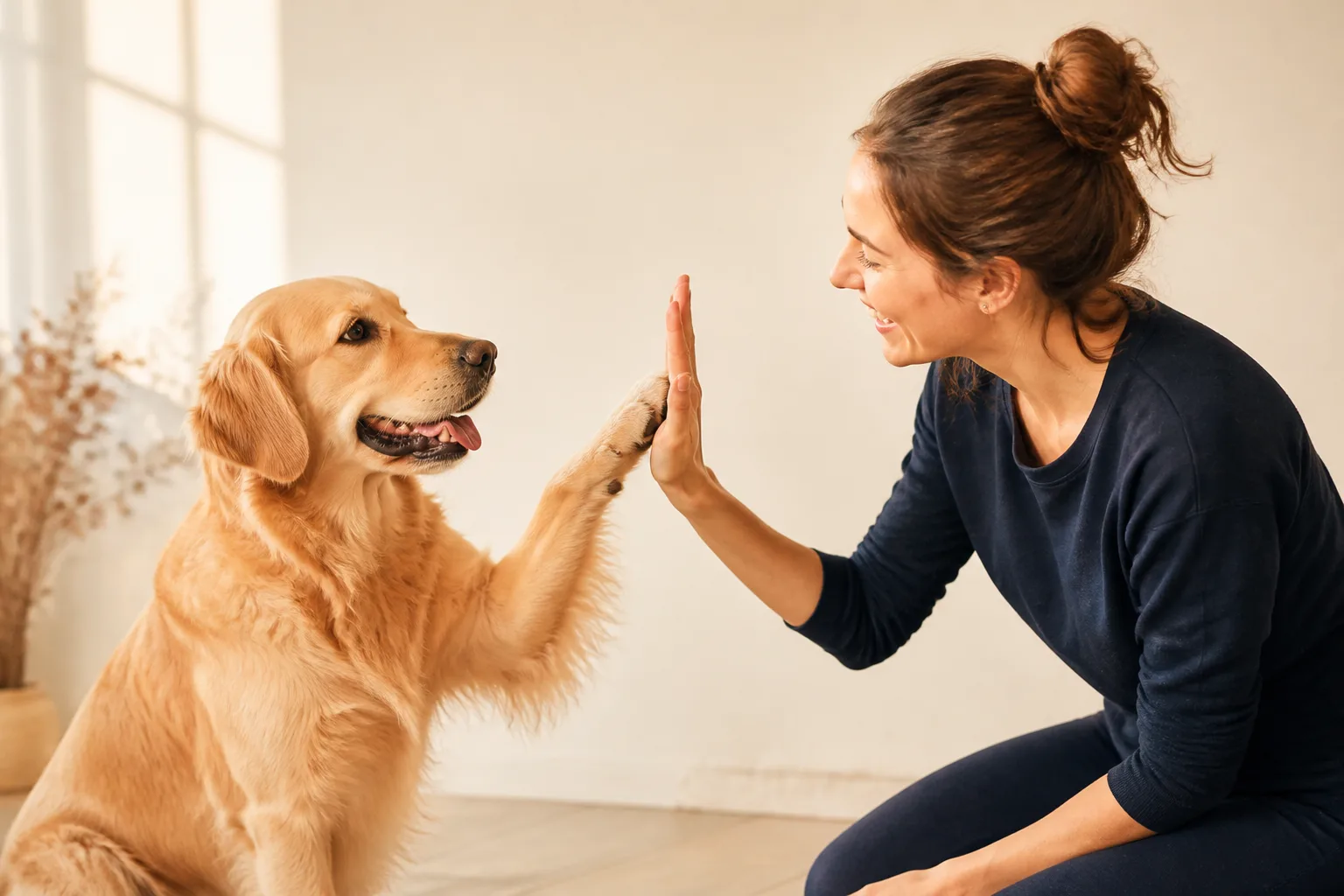
Five clean minutes beat the heroic hour you never start. Here is how to structure repetitions, rewards, and endings.
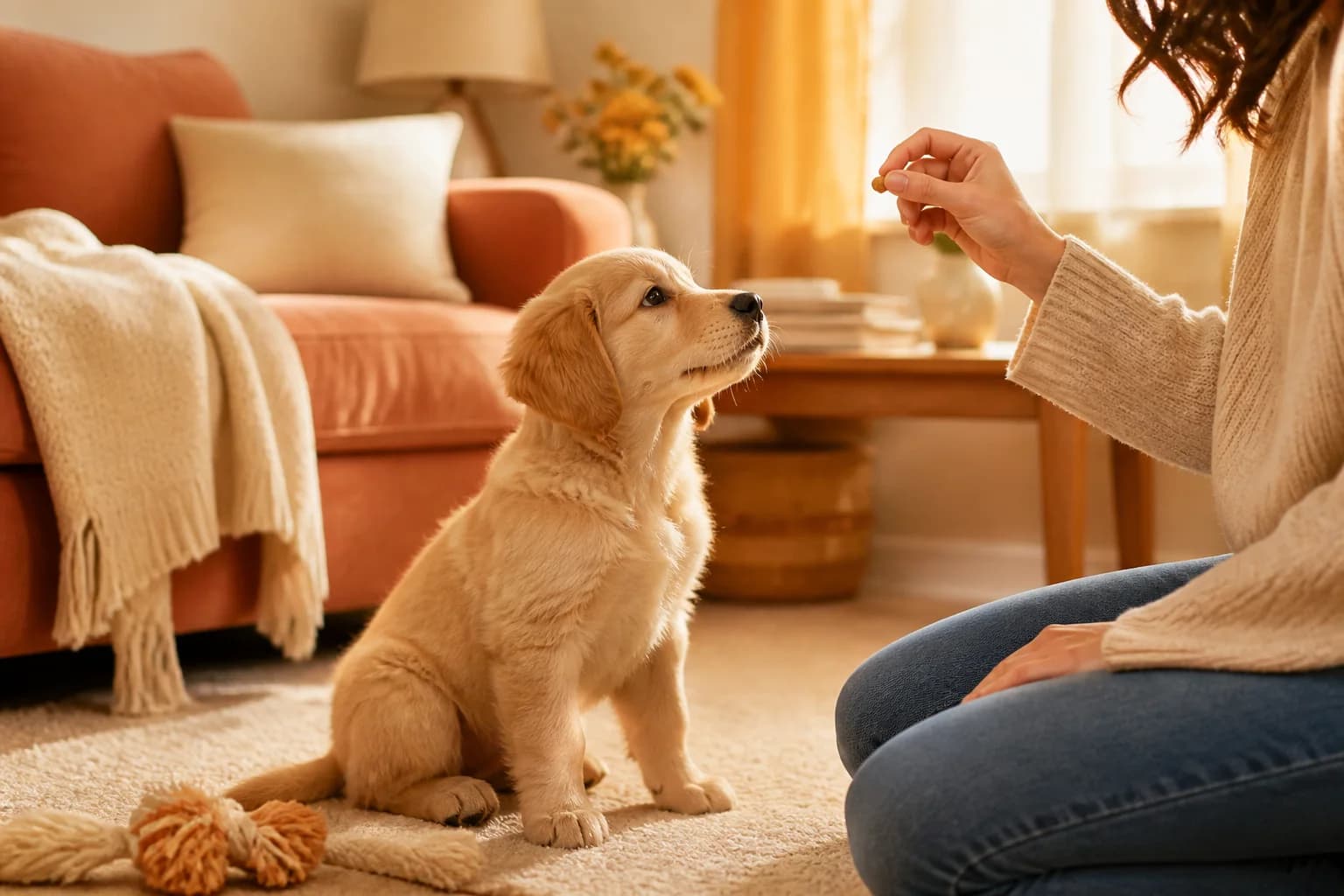
Name games, potty rhythm, soft mouths, and tiny reward based sessions before anyone expects polished manners.
Turn “better behaved” into teachable skills, fair criteria, and one primary focus, so practice has somewhere to land.
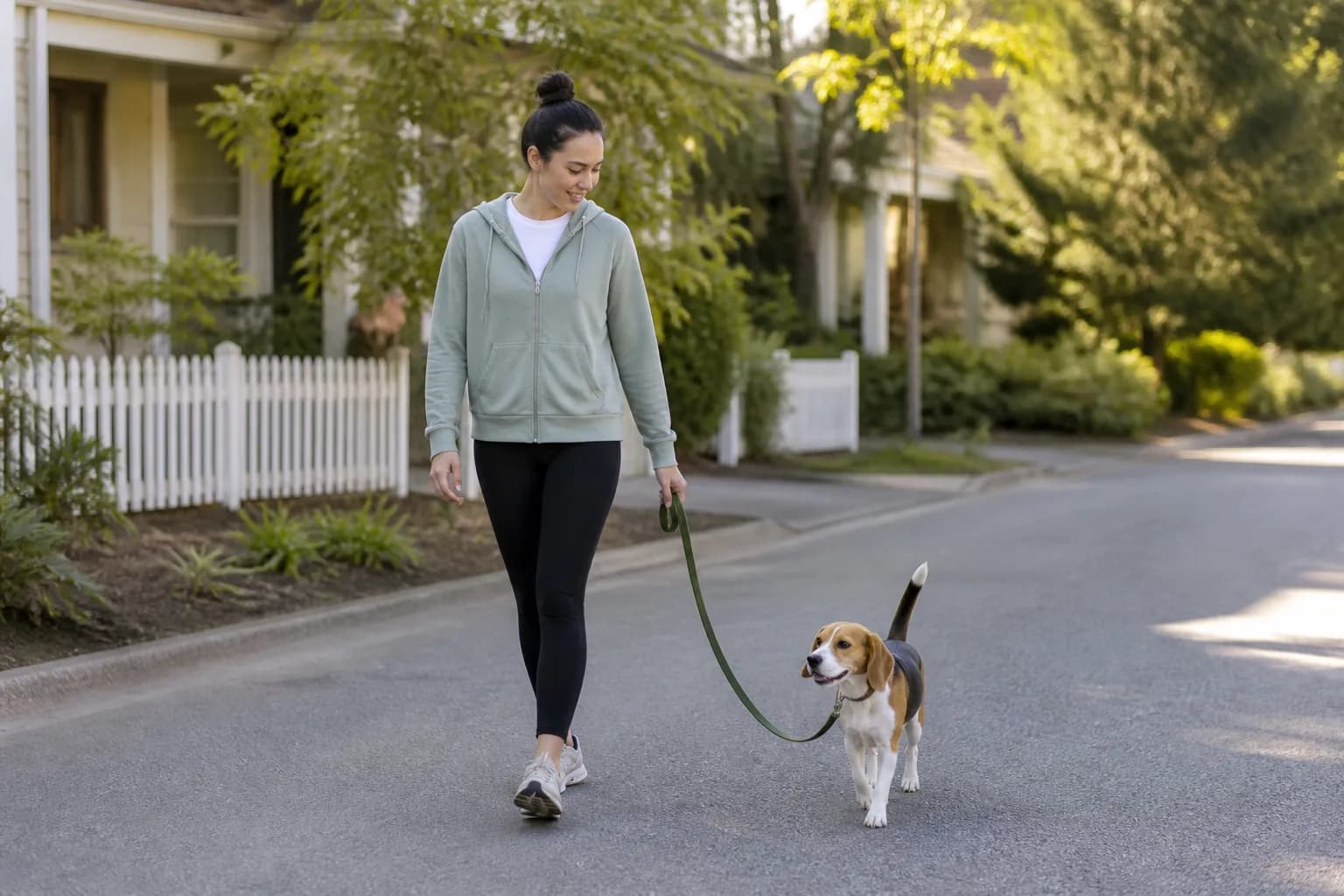
Teach walking near you with short reps, fair payoffs, and a distraction ladder, not a tug-of-war to the corner store.
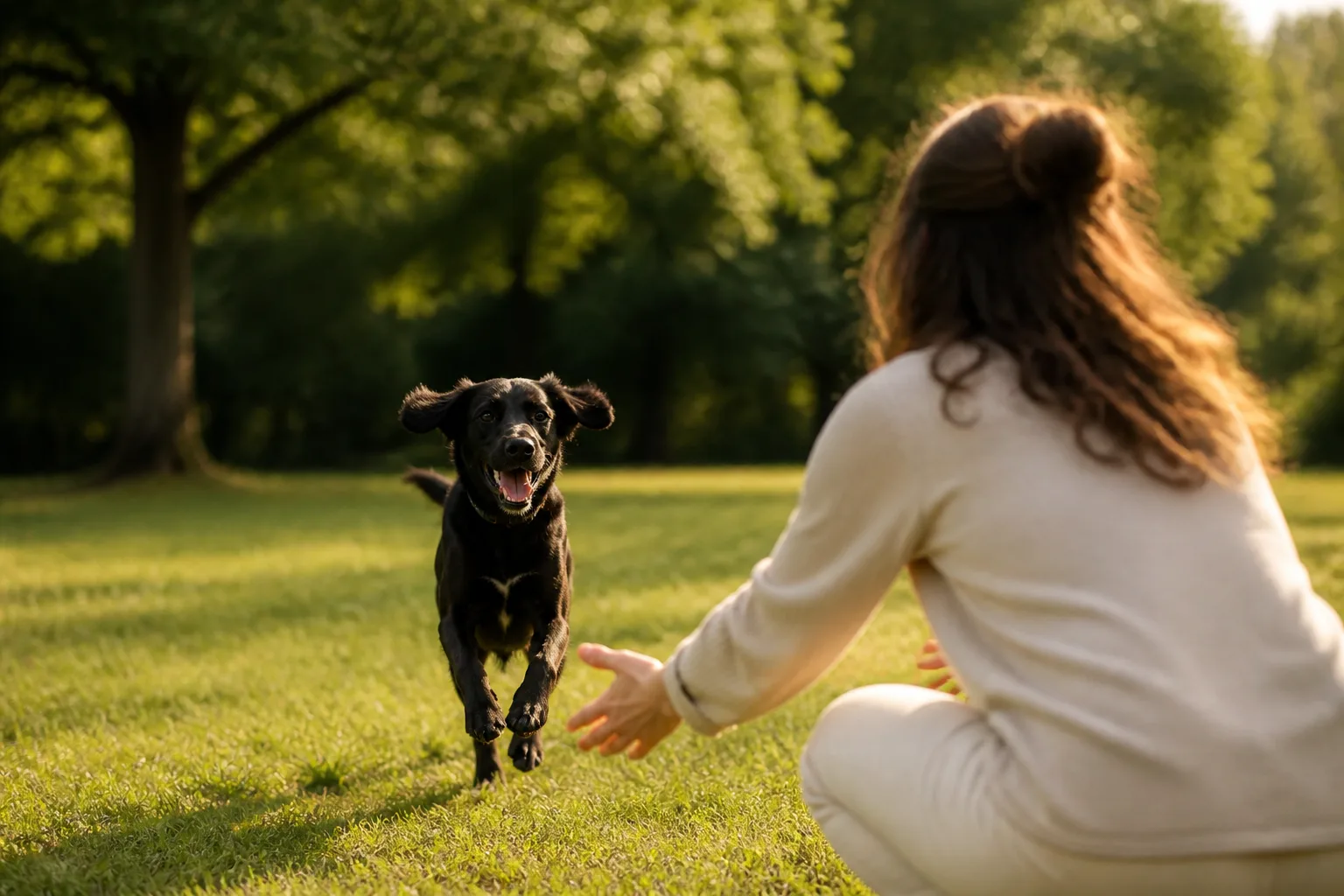
Install recall as a jackpot channel: easy starts, generous pay, long-line proofing, before you gamble on true freedom.
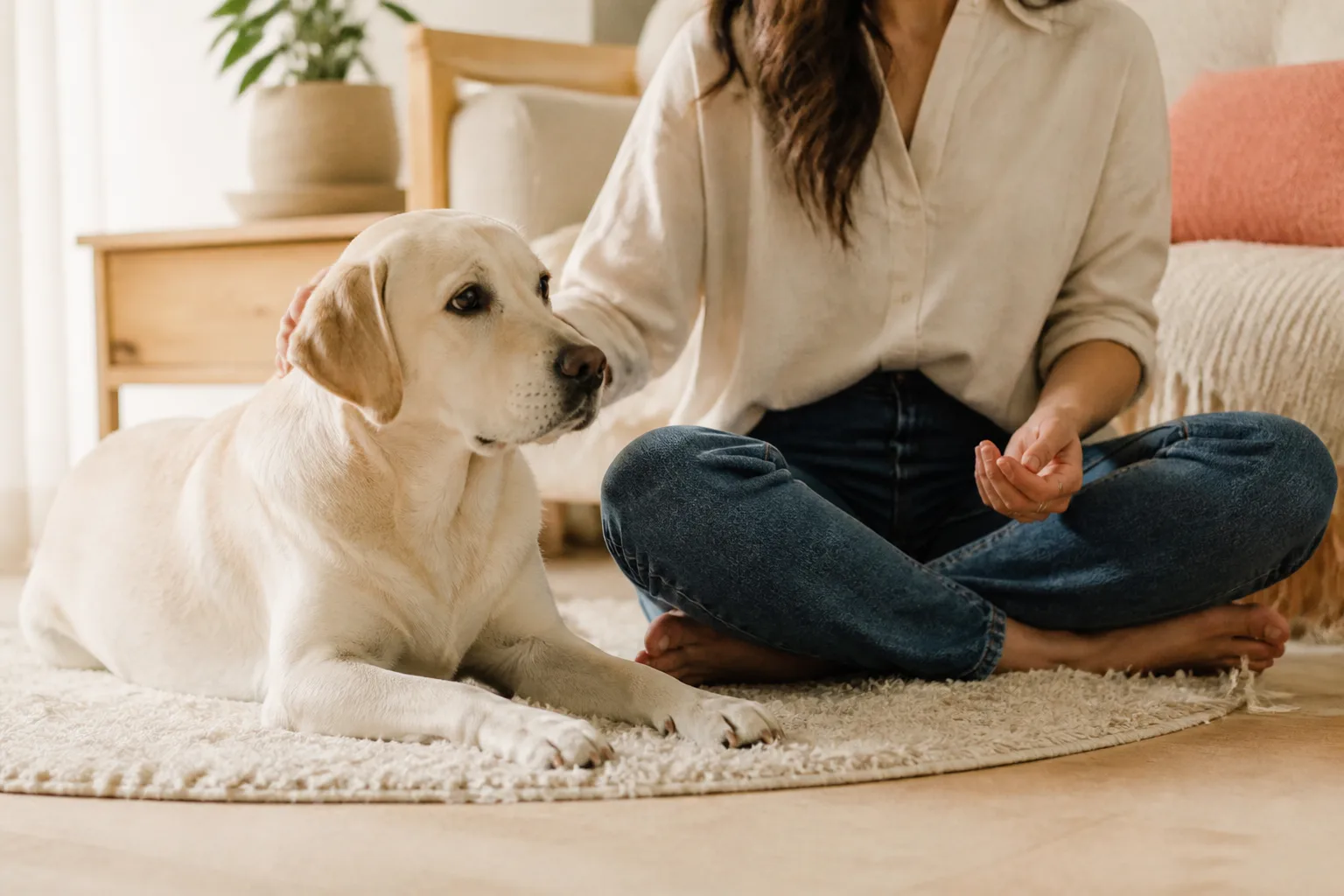
Cut the rehearsal loop with management, a paid alternate behavior, and short drills, before you escalate to yelling “quiet.”
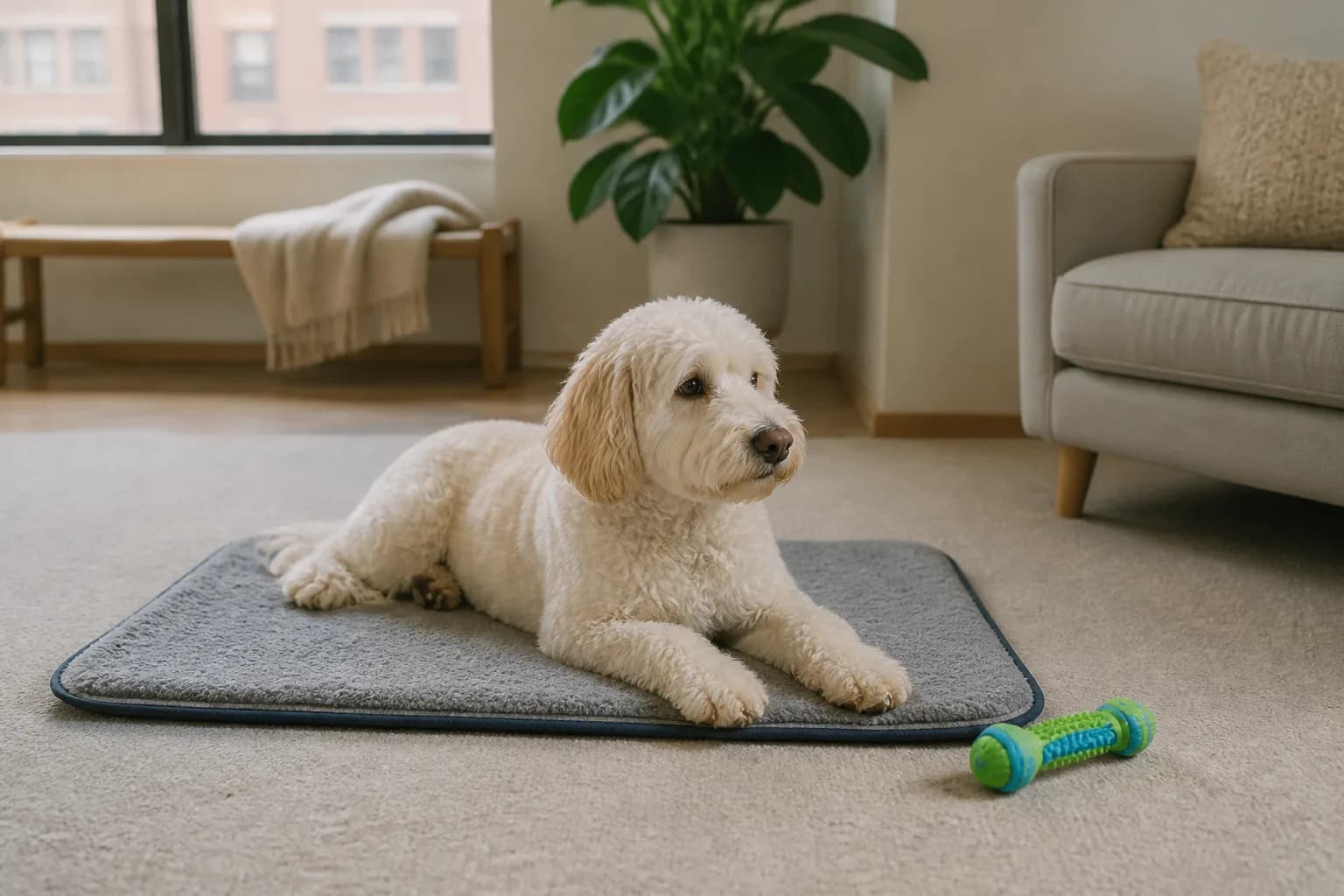
Teach short departures kindly with a safe space, enrichment, and gradual steps, without rehearsing panic.
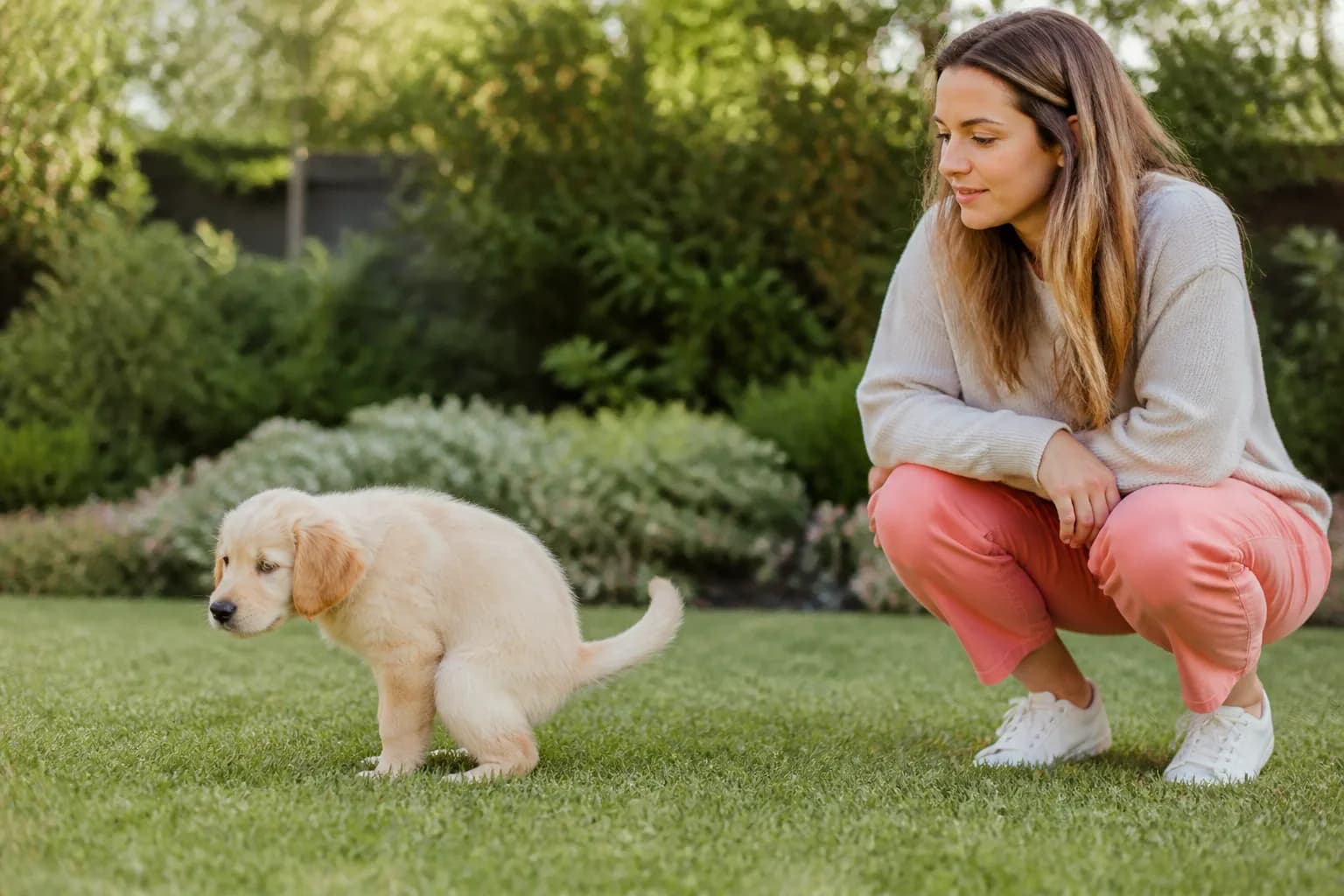
Timing, supervision, outdoor praise, and a simple log, without shame spirals when the rug gets involved.
Mark the exact right moment, then pay. Clear sounds beat muddy “good dogs” shouted half a second late.
Swap jumping and hallway dashes for four paws on the floor greets, with setup, drills, and a plan for real visitors.
Build a crate your dog chooses, free entry, calm payoffs, and crate door time measured in seconds first.
Read less. Practice better.
The DogPath blog explains the everyday skills behind calmer homes, easier walks, reliable cues, and kind puppy routines. Every article is written to give your next short session a clearer job.
“Better behaved” is too large for one session. “Wait at the front door while it opens” or “walk to the corner on a soft leash” gives you a setup, a behavior to mark, and a finish line.
DogPath lessons use that same structure: prepare the space, follow the steps, check the pass criterion, and stop while your dog still wants another turn.
A quiet kitchen is not cheating. It is where the cue becomes understandable before the hallway, pavement, visitors, or squirrels compete for attention.
Prepare rewards before you begin and decide which single detail you will make harder next: distance, duration, or distraction.
Loose-leash walking, recall, barking, alone time, puppy biting, visitors, triggers, and chewing benefit from a sequence, not a different internet tip every night.
A 14-day DogPath program keeps the goal stable and builds difficulty in small daily steps. Missing one day does not erase the work; continue with the next incomplete session.
A clicker can sharpen marker timing, a whistle can create a consistent recall cue, and a timer can protect a short session from becoming a tiring one. The tracker makes potty and active-walk routines easier to see.
None of those tools replaces rewards, fair criteria, or repetition. Open the tool the plan needs, then return attention to your dog.
Everyday training guidance has limits. Pain, sudden behavior change, panic, aggression, bite risk, or any welfare concern needs qualified real-world assessment.
DogPath can organize the practice between appointments. It cannot diagnose a medical or behavior problem, guarantee an outcome, or see details that require an experienced person in the room.
Puppies need safety, sleep, toileting rhythm, gentle handling, and carefully paced exposure. Adolescents often need familiar skills rebuilt around a suddenly more valuable outside world. Adult and newly adopted dogs benefit from clear household routines without assumptions about their previous cue history.
Senior dogs can keep learning too, but surfaces, movement, hearing, vision, repetition, and session length may need adjustment. A plan should change with the individual dog. New sensitivity, movement difficulty, disrupted sleep, or sudden behavior change belongs in a veterinary conversation before it becomes a tougher training drill.
Eating, loose movement, soft facial muscles, voluntary re-engagement, sniffing, and the ability to disengage can suggest the dog is still able to learn. Freezing, frantic scanning, persistent panting, escape attempts, refusal of familiar food, or a long recovery can mean the environment is already too difficult.
Do not wait for a growl or lunge to acknowledge discomfort. Create distance, reduce intensity, and give the dog an exit. The blog can explain patterns to observe, but a screen cannot see the complete context. Record concise notes and involve a qualified professional when the signal is unclear or safety is involved.
Useful training advice names the behavior, starting environment, reinforcement, progression, and limit. Be cautious with guarantees, dominance-based explanations for every problem, fixed timelines, or claims that one tool works for every dog. Learning varies with health, history, environment, and the quality of each repetition.
DogPath’s editorial approach favors reward based methods, gradual difficulty, thoughtful management, and honest escalation. Articles should help you make one better decision and then return attention to the dog in front of you, not keep you scrolling for a perfect universal answer that does not exist.
Not just training. Your plan.
Set one clear goal, open today’s lesson, and keep practice finishable. You can see the progress as you go.