
A clear finish to one repetition
Release Cue for Dogs: Free Practice Steps
Choose one ending word, separate it from your movement and record what happens in a short, comfortable indoor repetition.
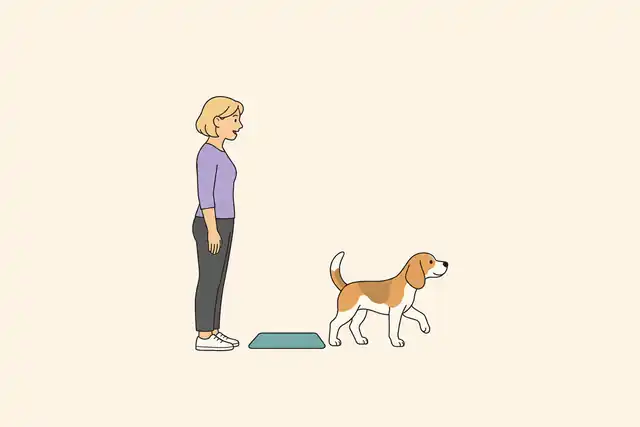
Your dog sits while you reward, then gets up when you reach into a pocket. Another time, they remain on the mat after you think the exercise has finished. A release cue for dogs gives that ending a deliberate signal. The small skill is useful when your hands, praise and everyday conversation have become unclear instructions about whether a familiar position continues.
This free practice guide focuses on ending one easy indoor repetition. It is not a new stay program, a recall or permission to run through a doorway. Keep practical barriers and ordinary supervision in place. Never depend on a release word, or the absence of it, to protect a dog from traffic, an open exit or another hazard.
DogPath is free to download or start, with in-app purchases. Here it can support a visible goal and a brief practice note: what happened after the word, and what happened after your body moved. The app does not watch your dog, measure understanding or guarantee a reliable response. Comfortable movement comes first; pain, sudden changes, panic, aggression or welfare concerns need appropriate personal help.
A release cue for dogs means one clear ending
Define a small outcome: after your chosen word, the dog may leave the position used in that repetition. It does not require running, jumping, coming to your hand or starting another task. Decide which position you will use before preparing food. A familiar comfortable sit can work; a dog who finds sitting uncomfortable should not be asked to repeat it for this exercise.
Cornell’s veterinary guidance reminds owners to teach an ending word alongside position skills and keep cue meanings specific. The exact word is a household choice. That supports clarity, rather than one supposedly perfect word or a promise that all dogs will respond on the same timetable.
Write your definition in a single sentence. For example: “After break, standing up from this short sit is available.” Keep that separate from a reward marker, which tells the dog about a moment you are rewarding. If you use a marker that already ends the behavior, do not quietly give it a second, conflicting meaning.
Cornell on specific cue meanings and teaching a release word
Choose a word the household can use consistently
Pick a short word that you can say once in a normal voice. Avoid choosing it because a video says it is universal. If you often say okay during conversation and your dog already responds to it, another word may be easier for your household to use deliberately. Everyone involved should know the same meaning before joining practice.
Write down the beginning cue, any reward marker and the ending word as separate entries. Read them aloud without your dog present. This simple rehearsal reveals whether you are planning to use one sound for two different jobs. It also gives another caregiver a chance to ask questions before timing matters.
Do not keep trying new release words in a single session. If the dog does not move, that is a reason to simplify the teaching arrangement, not evidence that a different syllable would work instantly. Avoid repeatedly calling the word from another room. At this stage it belongs to a small, visible practice situation you can actually observe.
Set up space and rewards before opening the lesson
Choose an enclosed quiet indoor area with a comfortable non-slip surface and enough clear floor for one step. Remove objects the dog could collide with. Keep other pets, visitors and household traffic out of the exercise. You are teaching an ending, not adding a distraction test or practicing near an open door.
Prepare a few small rewards that suit the dog’s normal feeding needs. Keep them accessible without repeated rummaging. If collecting food from the floor is unsuitable for this dog, use another comfortable delivery arrangement agreed with a suitable professional. Do not scatter food where pets might compete or where children could interfere.
In a DogPath lesson or practice note, choose one visible goal: “Word first, then one relaxed change of position.” Record the room and starting position. Do not label the goal “perfect impulse control.” You need an observable action that can guide the next brief session, not a judgment about the dog’s character.
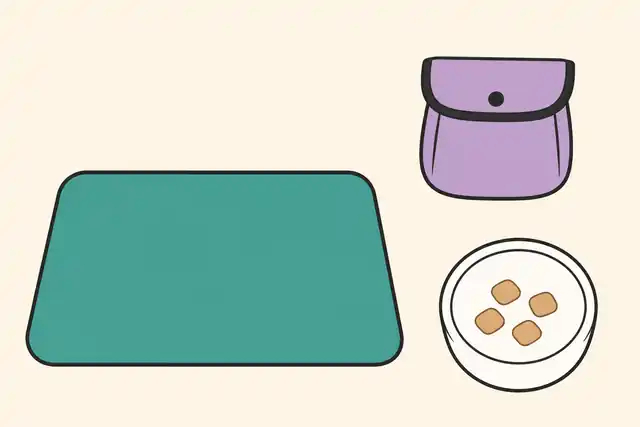
Build a predictable easy ending
Ask for the familiar position and reward it while the dog is comfortable. Keep the pause brief enough that you are not testing duration. Say the chosen release word once. Then provide a small, gentle invitation to move, such as a modest step sideways, followed by an accessible reward after the dog changes position. No pulling, pushing or repeated commands are needed.
Keep the invitation quiet and small. Jumping backward or waving food can make it harder to see which part the dog noticed. The aim is not an explosive exit. If your dog remains comfortably in place, pause and make the setup easier next time rather than turning the word into a louder demand.
After the reward, allow a genuine reset. Do not immediately repeat sit while the dog is chewing. Prepare yourself, check the space and begin another repetition only if the dog is willing. A few clear repetitions with room to finish are more informative than a long sequence that becomes increasingly hurried.
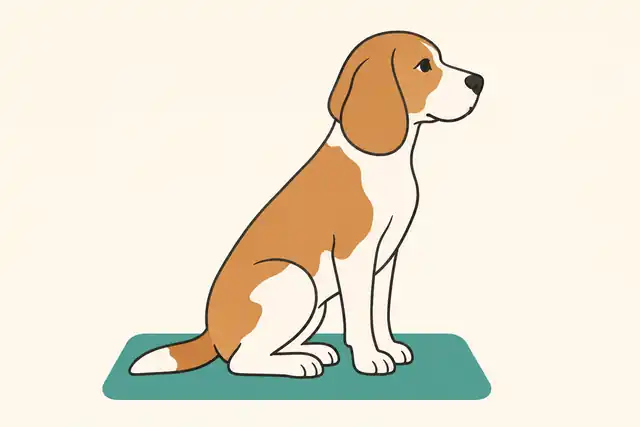
Separate your word from your body movement
Once the simple sequence is familiar, observe your own timing. Does the word happen before your shoulder, hand or foot moves? It is easy to believe you gave a verbal cue first when the treat pouch was already opening. Rehearse your sequence without the dog if several actions keep happening together.
Keep your hands still while saying the word, then use the small invitation if it is needed. Over later easy repetitions, make that invitation less noticeable rather than removing all help abruptly. If the dog changes position after the word and before you move, reward that clear response. You have an observation worth noting, not proof that the skill works everywhere.
Do not add a deliberate trick question by waving food while expecting the dog to hold position. That would change the exercise into a different challenge. Rewarding in position remains available, and the planned ending remains short. You are making the release easier to recognize before asking the dog to cope with extra ambiguity.
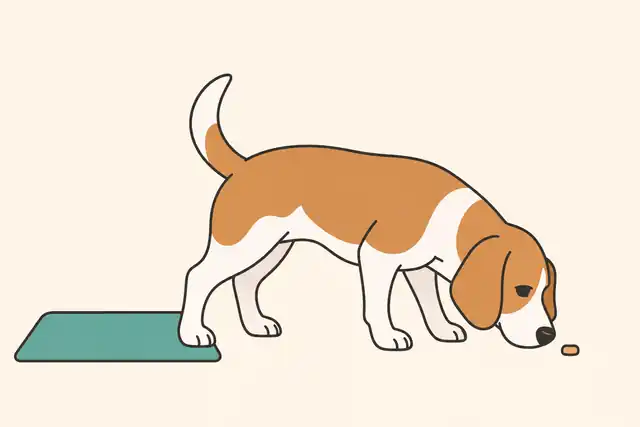
Use DogPath to record the part that changed
At the end of the short practice, write one factual note: position, location, the help you used and the dog’s first movement. “Two replies after the word; one after my side step” tells you more than “knows break.” Include uncertain repetitions rather than inventing a clean score. The app organizes what you enter; it does not verify the observation.
For the next session, choose one change. You might keep the same room and short pause while reducing your hand movement. Do not also increase duration, walk further away and invite another dog into the room. If several conditions change, you cannot tell which one made the response harder.
Distance, duration and distraction are separate decisions. Work with the dog nearby first. A longer pause is not a necessary reward for getting the release right, and a new room is not automatically a small step. Preserve the conditions that helped and make a deliberate, modest adjustment only when the previous arrangement is comfortable.
Respond to early movement without a confrontation
If your dog gets up before the release word, do not physically put them back or use a disappointed voice. Let the repetition end, check what happened and make the next attempt easier. The pause may have been too long, your hand may have signaled food, or the dog may need a break. You do not need to decide which explanation is correct immediately.
If you repeatedly say the release after the dog has already moved, stop rehearsing that sequence. Reset your own timing away from the dog, then try a shorter familiar repetition on another suitable occasion. A cue needs a planned place in the sequence; following the dog with the word gives you little opportunity to observe a response to it.
If the dog freezes, avoids the setup, moves unevenly or seems reluctant to change position, end practice. Do not interpret stillness as excellent training. Check comfort and seek appropriate help for concerning behavior or movement. An app note cannot determine whether pain or another problem is involved.
Transfer the ending without turning it into a safety test
When one easy setup works, select another familiar indoor place with similar footing and space. Return to a brief pause and provide help if needed. A response beside the kitchen mat does not mean the same word is clear in every room. Treat the new arrangement as another teaching opportunity, not an examination the dog should already pass.
Keep the meaning stable across the position skills you choose to use. If a mat exercise has a different ending from a sit exercise, explain that difference to caregivers rather than assuming the dog will infer it. Separate mat training can teach the resting behavior itself; this article is about a recognizable finish to an easy repetition.
Do not practice releases toward an exterior doorway, roadside, other animal or tempting object that would create a problem if reached. An ending cue never replaces a lead, suitable separation or adult supervision. Use a neutral direction within the prepared room, and keep practical management independent of how well practice appears to be going.
Finish the whole session as clearly as the repetition
After your final planned repetition, put the remaining rewards away and offer an ordinary pause. An exercise release and the end of an entire session do not have to be the same event. Your dog can finish one repetition, reset and practice again; finishing the session means you stop making further requests.
Look at the note before planning another day. Keep one helpful detail and one adjustment, rather than building a complicated program from a single good response. If the same confusion keeps recurring, an appropriate reward-based trainer can observe timing and help you choose a clearer arrangement. There is no need to keep adding louder words or longer waits.
Useful progress is specific: the word was given before movement, the dog changed position comfortably, and the household used the same ending. Short practice leaves room for that clarity. Keep food, rest and everyday care separate from any demand to demonstrate the skill, and let the next step follow what you actually observed.