
Voluntary targeting and clear pauses
Dog Chin Rest: Free Practice With a Clear Pause
An open palm can invite a brief chin contact without holding a muzzle. Build the invitation and the pause before considering anything else.
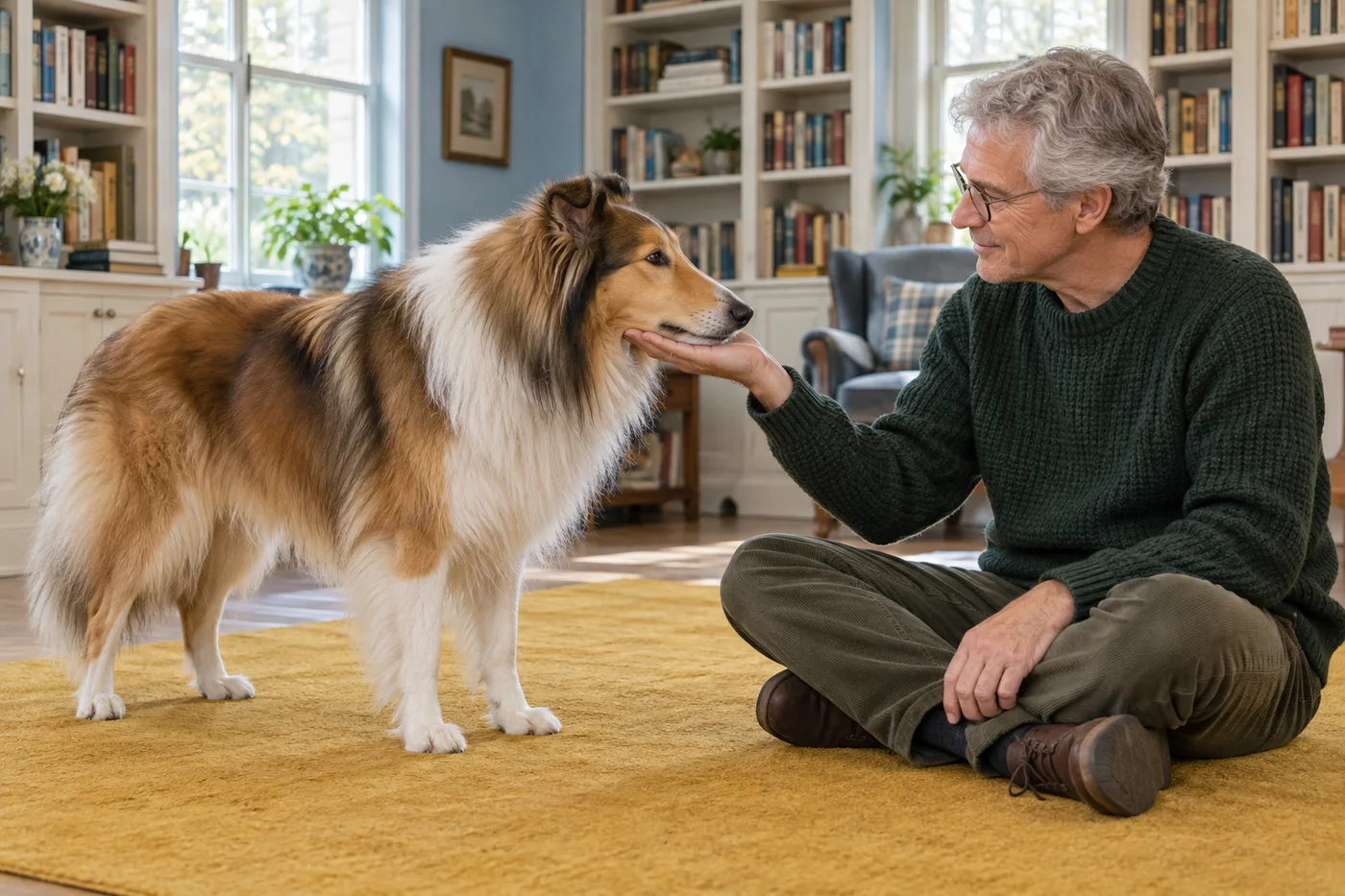
A dog chin rest sounds simple until your dog nudges your fingers, offers a paw or backs away when the hand moves underneath them. The useful question is not how to keep their head in place. It is how to make one small invitation understandable while leaving them free to stop. Begin with a comfortable open palm and a very brief contact. Keep grooming equipment out of the picture: learning the contact is already a complete task, not a doorway to a surprise procedure.
This free guide pairs practical steps with a DogPath workflow: choose an observable goal, prepare rewards, practise briefly, change one condition and note what happened. DogPath is free to download or start, with in-app purchases for some features or use levels. It is an everyday reward-based practice aid, not a veterinary assessment or safety guarantee. Pain, sudden behaviour changes, panic, aggression, bite risk and welfare concerns need appropriate in-person help. Do not experiment near the face of a dog who is worried about hands or may bite; seek individual support instead.
Define a dog chin rest without turning it into a hold
For this exercise, the underside of the chin makes light contact with your upward-facing palm. Your fingers stay open and your hand does not follow a departing head. The dog chooses a comfortable standing, sitting or lying position; you do not arrange their body. A nose touch is different: the nose meets a target, often briefly and from another angle. If that familiar behaviour appears, recognise the misunderstanding rather than correcting it. Our hand-target guide explains the distinction. Today you are teaching the location of a different contact, not testing obedience to a familiar word.
The AKC describes the chin rest as a voluntary position and discusses rewarding small approximations. Here the scope stays narrower than handling practice: no ear lifting, mouth opening, medication or care tool is introduced. Write a visible goal in DogPath, such as approaching a still palm at natural chin height, before you start. Do not write accepts anything or stays calm for treatment. Those labels hide too many different tasks. An offered contact tells you about that moment, not permission for every action you might want to perform afterwards.
AKC explanation of the voluntary chin-rest position · Separate a nose touch from a chin contact
Arrange your posture before inviting the dog
Choose a quiet enclosed room with a flat nonslip surface and a clear route away. Sit sideways on a stable low chair if that puts your hand at a comfortable height. With a smaller dog, adjust your own seat or posture rather than putting the dog on a table. Avoid bending over the face or leaning an elbow where it forces your palm upward. Rest your forearm on your own leg if useful, keeping fingers relaxed. Remove watches or jewellery that could catch fur. There should be room for an ordinary step away in every invitation.
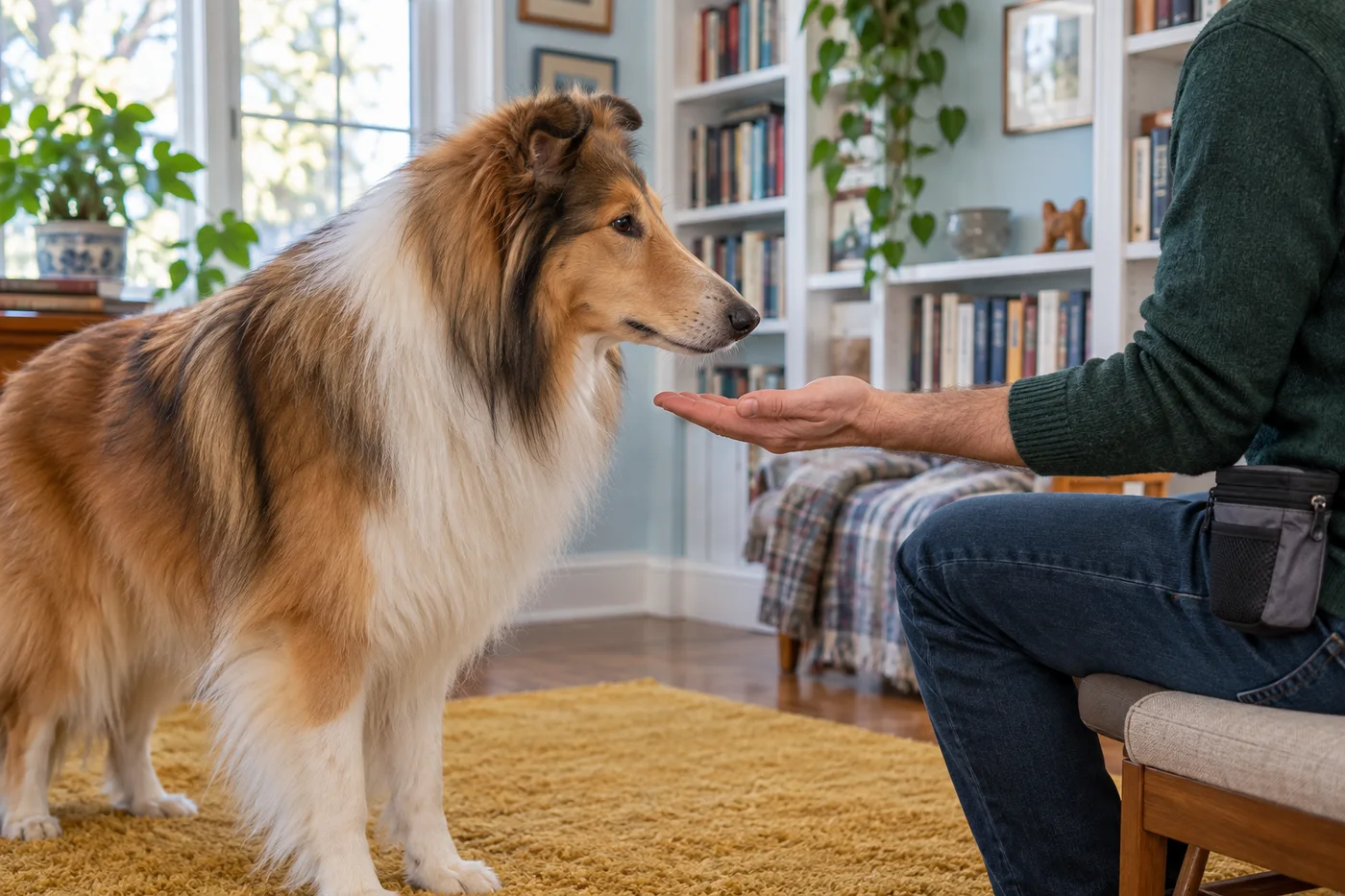
Prepare small suitable rewards within reach but outside the offered palm. Use food already known to suit the dog; this is not the moment to trial an unfamiliar ingredient. A reward pouch can keep the delivery hand separate from the target hand. Put your phone aside before practising and keep other animals out with comfortable separate arrangements. Do not make another dog watch the food at close range. Begin when ordinary needs are met, without withholding a meal to manufacture interest. If the room or your posture is awkward, fixing that is the session's useful work.
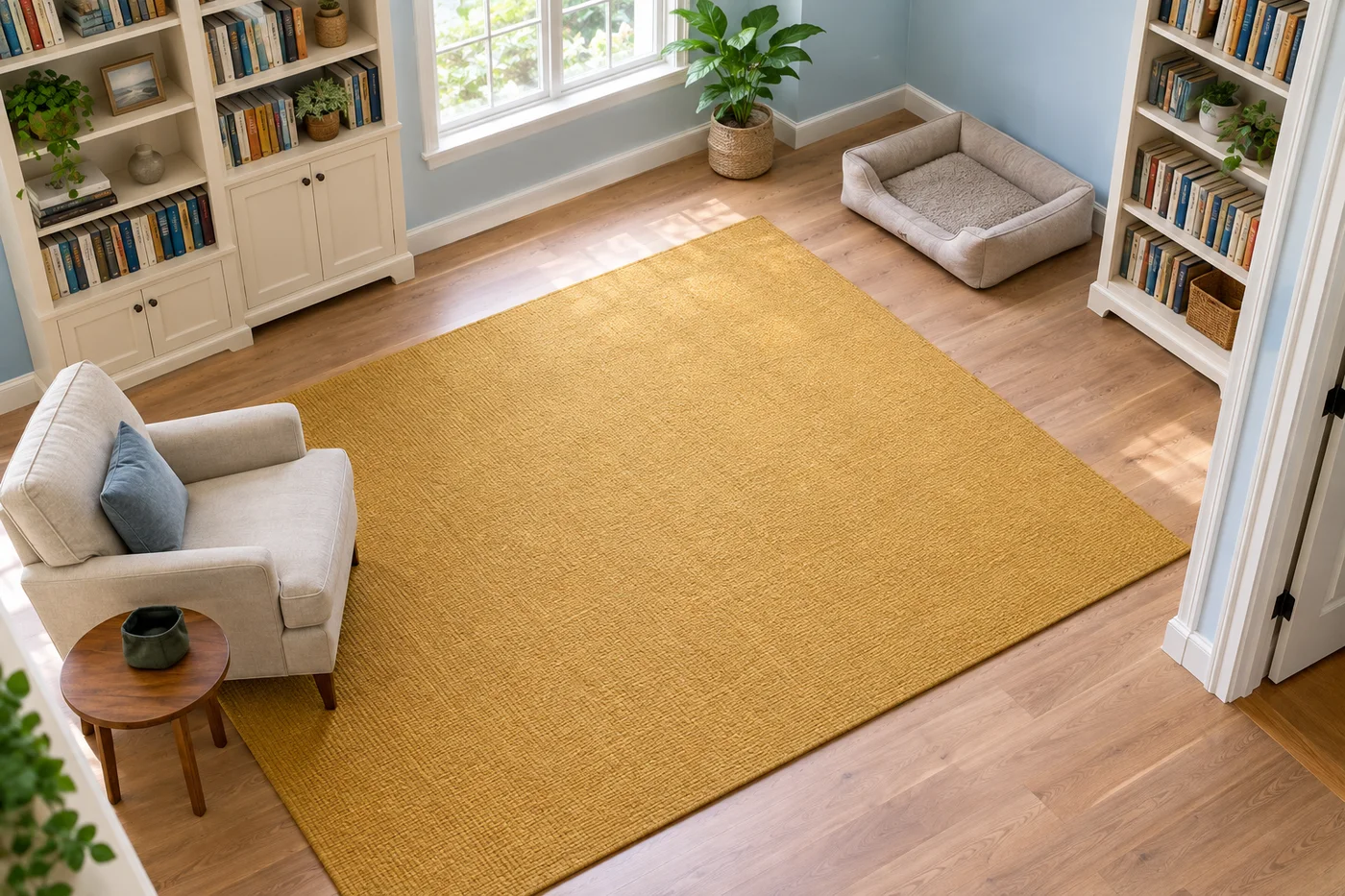
Let the dog find a still, empty palm
Present your empty upward palm near, but not against, the dog's natural chin level. Leave the approach to them. An early goal may be looking towards the hand or bringing the chin above it without touching. Mark the chosen small response with a familiar quiet word, then give the reward from the other hand. If no familiar marker exists, keep the reward prompt and work on a marker separately. The linked marker guide can help. Do not click suddenly beside the ears while also expecting the dog to understand a completely new hand position.
After an easy response, lower the invitation and pause before presenting it again. The palm is not a moving scoop. If the dog stays comfortably nearby, another invitation can be offered; if they leave, let the break happen. You can reward an approach today without demanding actual contact before the session ends. Avoid chasing the jaw with your hand or raising food above the head to produce a strained reach. Keep your eyes soft and your body sideways. Your observation is simply whether the dog approaches this stationary picture voluntarily, not whether they endure your hand's movement.
Reward light contact without closing your fingers
When the dog readily brings the chin over the palm, look for the smallest voluntary brush against it. Mark and reward promptly; do not wait for the weight of the entire head. Keep the palm still and open through the brief contact. Offer food where it can be eaten comfortably, without pressing the mouth towards your hand. A dog may naturally lift the chin to eat. That is not a failed attempt requiring you to replace the head. Reset your own hands and choose the same easy goal for the next invitation, if another invitation is appropriate.
If paws repeatedly arrive instead, move your hand away between attempts and reconsider its height and angle. Do not hold the paw down or trap the muzzle to make the desired answer unavoidable. Likewise, licking fingers does not mean the chin is resting. Keep the target palm free of visible food and shorten the task. The AVSAB recommends reward-based training methods. This optional exercise provides no reason for punishment when the picture is unclear. A softer goal or ending now is more useful than increasing pressure until the dog happens to stop moving.
Make lifting away a genuine pause
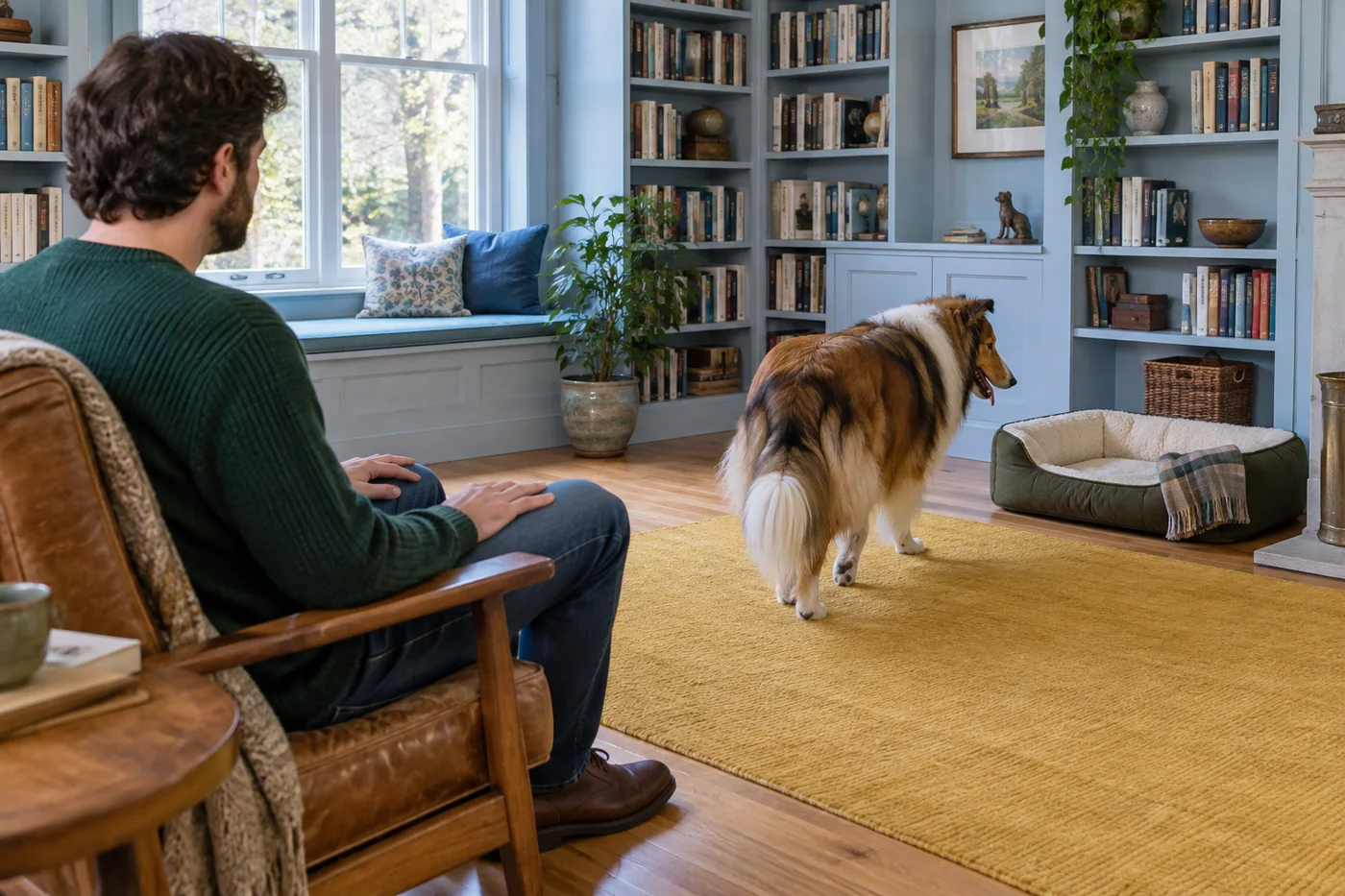
Decide your own response to withdrawal before you ask for any longer contact. If the chin lifts, the palm lowers and you stop the invitation. Do not reach after the dog, immediately repeat the cue or use food to draw the head back while continuing another action. There is no other action in this foundation exercise anyway. Let the dog stand, look around or leave. A pause should change what you do, not merely become a word you say while your hand remains under the jaw. Offer a fresh invitation only after the previous one has clearly ended.
Sometimes the dog lifts because you moved, a sound occurred or they were ready to do something else. You do not have to determine a hidden emotional reason before respecting that movement. Avoid interpreting stillness alone as enjoyment, and do not call every withdrawal disobedience. If you choose a quiet finishing word, say it before lowering your empty hand at the planned end of an easy attempt. The dog is still free to lift earlier. The finishing word tells them your invitation has ended; it never removes their ability to end their own participation.
Add a moment, not an endurance challenge
Only after brief contacts feel ordinary should you ask for a tiny interval before marking. Keep the same location, posture and palm shape. Mix in immediate easy contacts instead of lengthening every attempt. There is no target number of seconds for every dog. Watch your own behaviour: a held breath, raised shoulder or creeping hand can alter the exercise more than the clock suggests. If the dog repeatedly lifts at the new interval, return to the shorter contact or end. Do not quietly change the criterion from light contact to a heavier head while also adding time.
A word for the behaviour is optional. If you want one, introduce it once just before the familiar palm invitation, rather than saying it repeatedly while waiting. Choose a word different from the nose-touch cue already used at home. A second person should initially observe from a distance, not take over the hand and ask for the longest interval. Transferring to another person is a fresh condition with a much easier goal. This simple foundation need not progress to grooming. It can remain a short voluntary interaction that you both understand and can stop.
Use DogPath to separate the practice conditions
Before the next brief session, choose one observable goal in DogPath and prepare rewards again. Treat distance, duration and distraction separately. Distance here can mean a slightly changed starting position relative to the offered palm, not stretching the neck or pursuing the dog. Duration is a small comfortable interval of contact. Distraction might be one quiet adult sitting farther away, introduced only when the simpler setting is easy. Do not change rooms, people, hand height and timing together. When the invitation is less clear, keep the simpler familiar version rather than adding more encouragement and movement.
After putting the dog at liberty, record conditions and an observation: same chair, empty palm, brief contact; chin lifted when I leaned forward; next time keep my elbow supported. That is more actionable than stubborn or fully trained. DogPath organises everyday practice and notes; it does not diagnose discomfort, certify a handling skill or provide a special safety score. Paper can hold the same factual note. Our short-session guide helps with choosing an appropriate stopping point. Stop because the useful practice is done, not only once the whole pouch is empty or the target time has been reached.
Keep this skill separate from necessary care
A chin contact is not proof that an examination, brushing session or medication will be comfortable. Do not reveal a tool at the end as a surprise reward for cooperating. If you eventually need a cooperative-care plan, develop its individual steps with an appropriate professional and make sure withdrawal genuinely stops each rehearsal. Necessary or urgent care has different constraints: call the veterinary team rather than delaying treatment until a home target is perfected. Never attempt an unsafe procedure because an app note or a still head appears reassuring. This guide teaches the contact and pause only.
Stop home practice if facial approach causes worry, sudden avoidance, freezing, growling or a risk of snapping. Do not punish warning behaviour or bring a child's face near the dog to demonstrate success. New difficulty lowering the head, pain or sudden changes need veterinary advice; panic, aggression and wider welfare concerns need suitable individual support. For a comfortable dog, success may remain an ordinary approach followed by a brief contact and a real break. Preserve that modest, observable result. A useful invitation is one the dog can understand without losing the option to leave.