A voluntary bow and clear timing
Teach a Dog to Bow: Free, Gentle Practice
Notice a comfortable offered movement, mark before the position changes and keep one clear practice note.
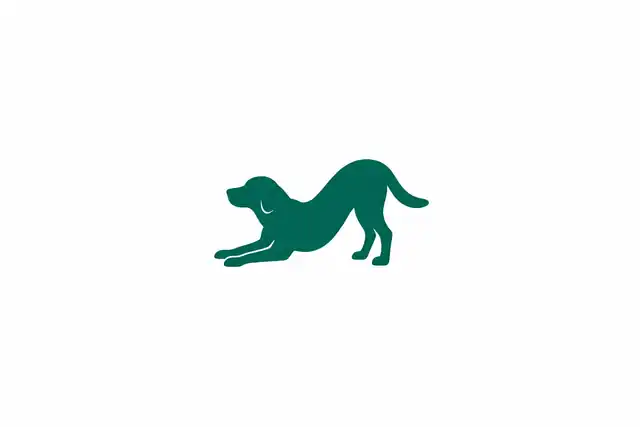
You want a small trick to practise together, but your dog follows a food hand straight into a down. Or the front end lowers briefly and you reward only after the dog stands again. To teach a dog to bow, begin by noticing a comfortable movement rather than trying to arrange the dog’s body. Front end lower and hindquarters still raised is the visible distinction you are looking for.
This free guide uses short, optional practice and a simple DogPath record. DogPath is free to download or start, with in-app purchases. It can help you keep a goal and your observations together; it does not watch movement, assess joints or certify that a trick suits your dog. There is no requirement to achieve a full bow, hold a stretch or perform on a deadline.
Use only comfortable movement your dog offers willingly. Pain, uneven movement, sudden posture changes, persistent unusual stretching, panic, aggression or welfare concerns call for appropriate veterinary or qualified in-person help. Do not treat a new or worrying posture as a training opportunity. Puppies, seniors and dogs with movement concerns need an individually appropriate activity rather than a generic trick prescription.
Teach a dog to bow by defining a small movement
For this exercise, a bow means the front of the body lowers while the hindquarters remain up. A brief offered movement is enough to observe. You are not asking for the deepest possible stretch, a particular angle or the dog’s chest pressed against the floor. Comfortable participation matters more than resemblance to a photograph.
Battersea’s bow guidance supports rewarding small progress and marking the movement while the dog is in the bow, rather than waiting until the position has changed. That is a timing principle, not a promise about how quickly your dog should learn. Our practice notes below help you notice that timing without measuring flexibility.
Write a modest starting description: “I noticed the front lower while the rear stayed raised.” If you cannot see the movement clearly, do not guess that the dog has failed. Stop, change your viewing position for a later attempt or choose another familiar skill. The definition should make observation easier, not add pressure.
Battersea on rewarding small bow movements and marking the moment
Check the starting position and your space
Choose a quiet enclosed room with a comfortable non-slip surface and enough room for the dog to move away. Clear chairs, bags and loose objects from the immediate area. Other pets and busy household activity should not compete for your attention. This small trick does not need a doorway, roadside or exciting public setting.
A relaxed stand is a useful starting point. If standing practice is unfamiliar, work on that separately with rewards before trying to combine skills. Do not keep a dog standing through repeated requests when they prefer to rest. A familiar position is a starting condition, not a reason to prevent the dog from sitting or leaving.
Place yourself where you can see the shoulders and rear without leaning over the dog. Practise watching from the side when no task is being requested. Avoid filming or handling a phone while trying to deliver rewards if it makes your timing hurried. One adult can prepare a simple session without creating a performance setup.
Prepare rewards and a clear marking plan
Prepare a few small rewards suitable for the dog’s normal feeding needs. Keep them accessible so you are not searching a bag after the movement has ended. If you already use a quiet marker word or clicker comfortably, decide which one will identify the observed moment. Do not introduce an unfamiliar startling sound during the trick.
Rehearse the human sequence without the dog: notice, mark, deliver a reward, pause. The marker helps identify the instant; the food does not have to arrive before the dog can move normally again. Never delay food to make the dog hold a posture you have not taught. Rewards and ordinary care are not conditional on a deeper bow.
Put a reward where the dog can take it comfortably without competition from another animal. If food is unsuitable or taking rewards seems difficult, stop and reconsider the activity with appropriate guidance. Do not raise food value repeatedly to persuade a reluctant dog to bend further. Better preparation should reduce pressure, not conceal discomfort.
Start with an offered movement, without handling
If your comfortable dog naturally offers a familiar play bow during quiet interaction, you may mark that brief moment and reward. Then allow the dog to finish and reset. Do not chase a stretch around the room or interrupt a dog who is sleeping. An opportunity that does not appear today can simply wait.
You can also seek a suitable reward-based trainer’s help with gradual shaping if you need a more structured setup. Keep the target a small voluntary lowering, not a hand forcing the chest down or holding the rear up. Do not place a hand under the belly, pull a lead or arrange the paws to produce the appearance of success.
If your dog lies down instead, let that repetition end. You may have noticed too late or made the task unclear. Reset only if the dog wants to continue, and make the next observation simpler. A down is a different action, not misbehavior that needs correcting. Avoid rapidly alternating repeated stand and down requests to manufacture a bow.
Set one visible goal in DogPath
Choose a goal you can actually describe in a DogPath lesson or practice note: “Mark one brief voluntary front-end lowering before the rear lowers.” Include the room, surface and the help you used. Do not select “improve flexibility” or “fix posture”; those are not appropriate app assessments and this exercise does not provide them.
After a few clear opportunities, record what happened rather than a broad score. “Marked after standing twice; caught a brief lowering once” is more useful than “nearly perfect.” If you are uncertain about a repetition, write that. The app organizes your own input; it cannot confirm what the dog did or decide whether movement was comfortable.
Plan the next short session from that note. You might keep the same location and simply prepare rewards in a less awkward place. A change to your viewing position may help more than asking the dog to do more. Choose one useful adjustment, then finish the planning task instead of turning a short practice into a long analysis.
Add a cue only when the movement is familiar
When the dog is comfortably offering a recognizable movement in your practice arrangement, choose a short cue the household can use deliberately. Say it just before an opportunity you can predict reasonably well, then mark and reward the movement. Do not repeat the word continuously while waiting for something to happen.
If you cannot predict the action yet, keep observing without adding a verbal label. A word spoken after the dog has already stood up does not give you a clear example of a response to that word. Rehearse your own timing separately if speaking and rewarding are difficult to coordinate. There is no need to rush into a cue for a video.
Different caregivers should know which action the cue refers to and which signals already mean stand or down. Avoid renaming several familiar cues at once. If you have an existing hand signal, keep notes about it rather than assuming the verbal word has replaced it. You are building clarity, not demonstrating independence from every helpful prompt immediately.
Keep duration, distance and distraction separate
Start close enough to observe and reward comfortably. Do not increase distance because a brief bow happened once. A longer hold, another room and a person moving nearby are different challenges. For this gentle trick, a short movement can remain the entire goal; extending duration is optional, not a required measure of progress.
If you later make a change, choose only one. Keep the same brief movement while a familiar person sits quietly farther away, or return to an easier setup in another suitable room. Do not combine a new surface, longer hold and less help. Your record should tell you which practical condition actually changed.
Reward comfortable participation and allow breaks. If the response becomes hurried, repeated or difficult to distinguish from other behavior, stop rather than adding repetitions. Practice should not become a workout or a request to stretch through fatigue. A plain note about returning to the earlier setup is a useful outcome for the next day.
Troubleshoot the person’s timing before asking for more
When every reward seems to follow a down, review exactly when you noticed the front movement. You may be identifying the finished position instead of a small earlier change. Simplify your observation and ask a suitable trainer to watch if needed. Do not support the dog’s hindquarters with your hand to prevent the down.
If the dog focuses entirely on your reward hand, pause the trick and make the delivery arrangement easier to manage. Keep food available as reinforcement without moving it through increasingly awkward paths. Avoid repeated sweeping motions or bringing your face close to the dog’s head. Clear preparation is more useful than trying to outmaneuver the dog’s attention.
If the dog steps away, let them. If they repeatedly avoid the practice place, stop using it as a test and consider comfort, environment and professional advice. A lack of participation is not a reason to withhold normal food, rest or companionship. The next decision may be a different activity, not a harder attempt at this one.
Finish with a reset and an ordinary day
After the final planned opportunity, allow the dog to return to a comfortable ordinary position and put the rewards away. Do not immediately call them back for several demonstrations because one repetition looked good. A clear ending protects the short nature of the session and leaves room for the rest of the dog’s routine.
Read your note before the next day and keep one small target. You may repeat the same easy arrangement or decide to leave the trick alone. If movement or behavior concerns appear, seek appropriate personal assessment. A training log can preserve useful observations for that conversation, but it cannot identify a physical cause.
Useful progress is specific: you noticed a voluntary action, marked it clearly and let the dog reset. The trick remains optional, and its appearance says nothing definitive about health, safety or the relationship with your dog. Keep a calm routine, suitable rewards and enough rest available whether or not another bow ever becomes part of it.