One object, one name
Teach Dog Toy Names: A Free First Game
Build a clear first association without turning toy play into a memory test or a race to collect more words.
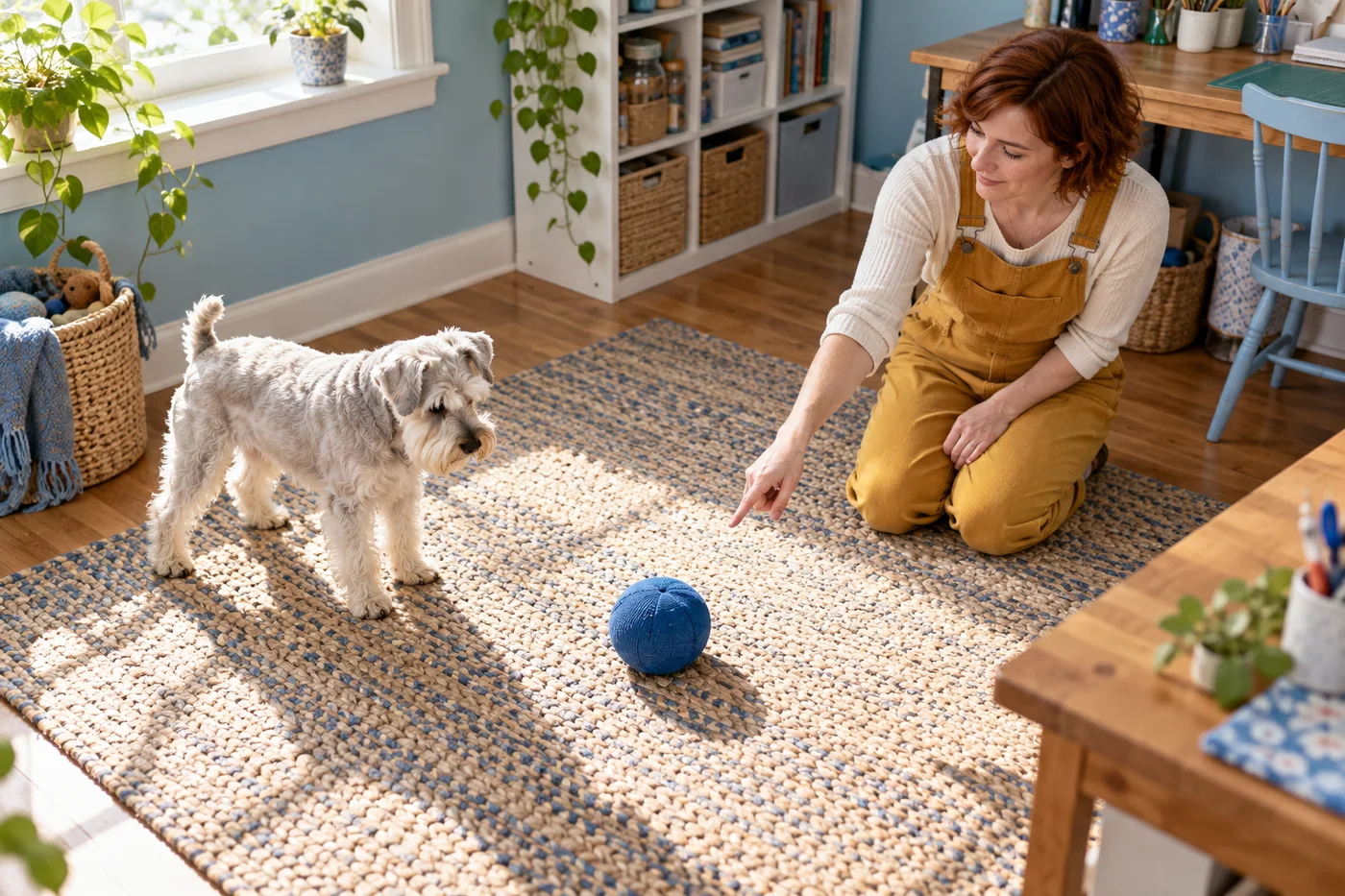
When you try to teach dog toy names, it is easy to ask a question the dog cannot yet answer. You place three favourite objects in a row, say the name of one and wait for a clever selection. The dog may simply choose the nearest toy or follow the hand that moved. A more useful first project is smaller: one familiar object, one consistent name and one visible response you can reward. You are building an association, not measuring intelligence or testing whether your dog loves you enough.
This free guide uses a brief, reward-based game and a practical DogPath recording workflow. DogPath is free to download or start, with in-app purchases for some features or usage levels; you do not need to buy new toys. Choosing an object by name is optional enrichment, not essential obedience. Stop if the dog would rather rest. Pain, sudden behaviour change, panic, aggression, guarding, bite risk or welfare concerns call for appropriate in-person help, not a harder puzzle. Keep suitable toys supervised and follow individual health advice.
Teach dog toy names with one clear response
Decide what will count before placing anything on the floor. For this first game, a voluntary nose touch on the chosen toy is enough. Carrying it, bringing it back and releasing it are separate actions. Requiring all of them at once makes it difficult to see what the dog understood. Choose a toy the dog can approach comfortably without immediately grabbing, shredding or guarding it. If that is not possible, pick another quiet activity rather than holding the toy down or opening the dog's mouth.
Use one ordinary name, such as ball, and ask everybody practising to use the same word. Avoid a long changing phrase that contains several familiar cues. This is an experiment in everyday communication, not a promise that every dog will learn a catalogue of objects. AKC's toy-naming guide starts with a consistent name for one toy before adding others. Our first response is deliberately modest so you can notice and reward it without requiring a fetch sequence. A glance can help you see interest, but keep the rewarded criterion consistent.
Make the floor arrangement easy to read
Choose a quiet room with a clear, nonslip area and enough space for the dog to leave. Remove other toys from the immediate setup. Avoid practising beside a meal, a sleeping dog or a person who wants uninterrupted rest. Put the single toy within comfortable reach rather than under furniture or at the edge of a slippery surface. Check the actual object's condition and size for your dog; a photo cannot certify that a toy is suitable. Remove damaged items and do not use small household objects as substitutes.
Prepare a few appropriate rewards before starting so you can respond promptly. Account for food within the dog's normal diet and individual advice. Keep the supply out of reach without repeatedly waving it over the target. Your own position should be comfortable enough to remain steady for a few attempts. If kneeling is difficult, use a chair and a different arrangement that still lets the dog move freely. Do not make the dog climb, stretch or balance to reach an object just because that makes a better photograph.
Pair the name with an easy encounter
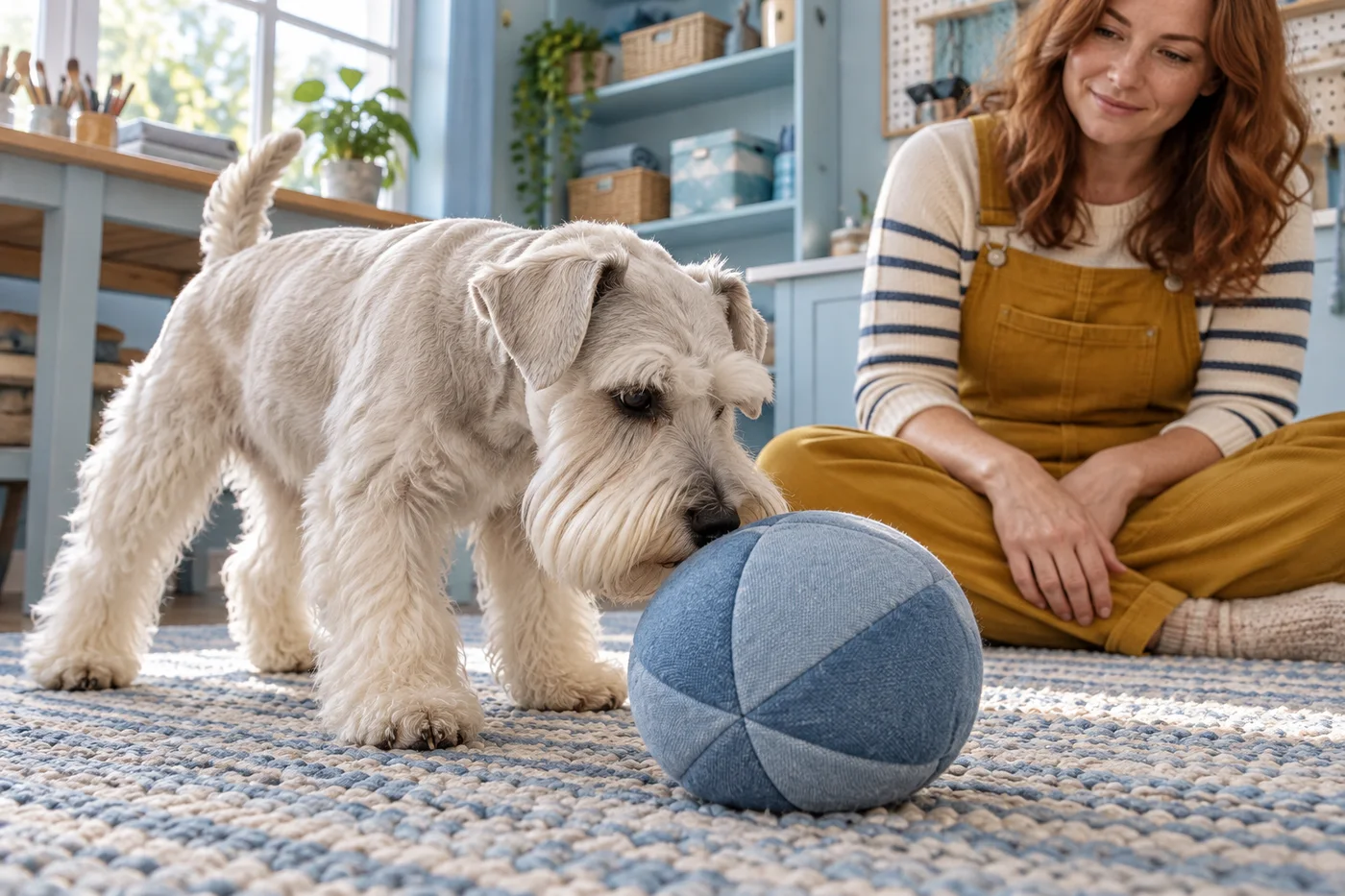
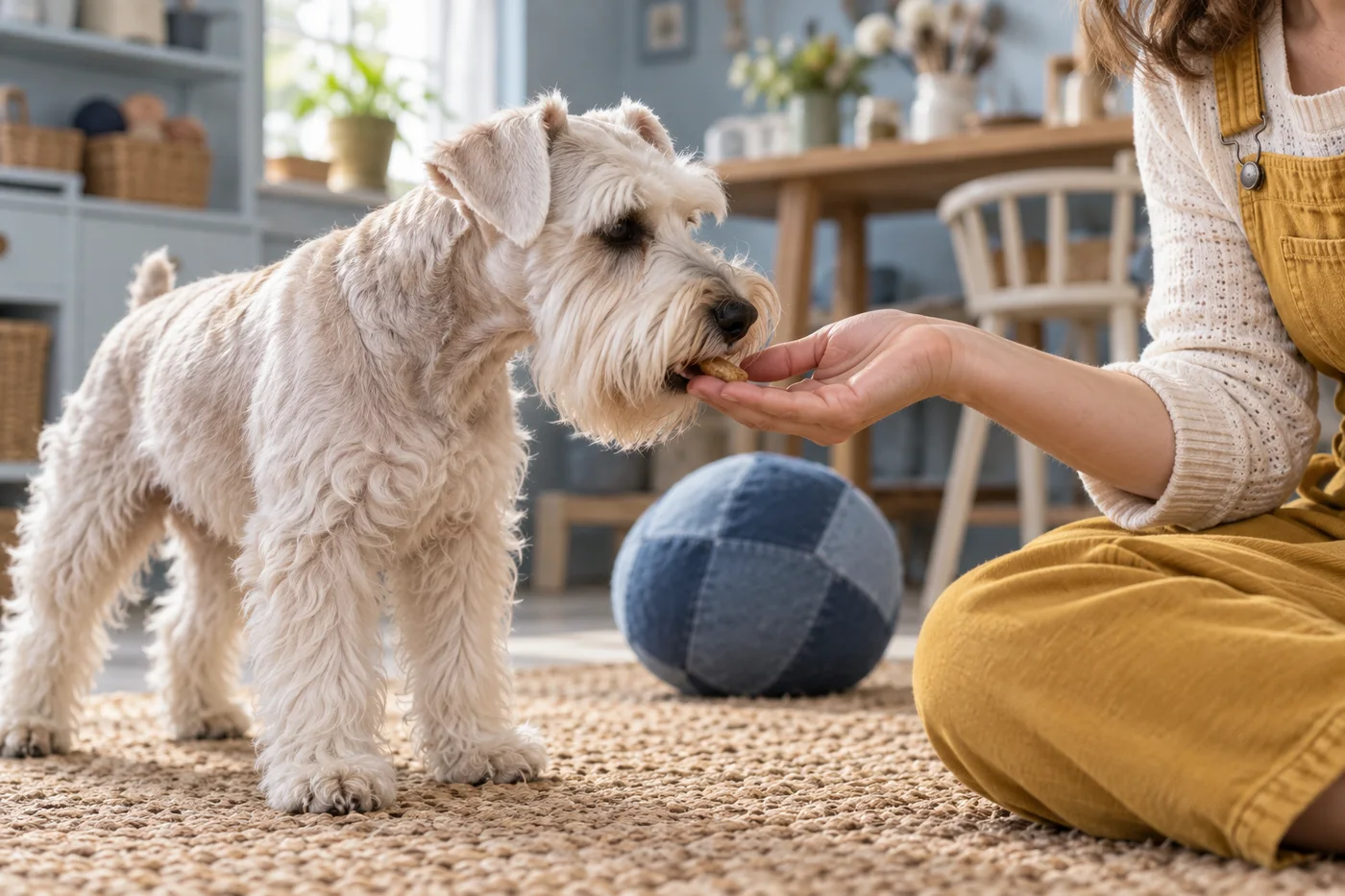
Place the toy where the dog can readily notice it. Say the selected name once as the dog approaches the familiar object, then mark and reward the agreed nose touch. Deliver the reward slightly away from the toy so the dog can finish eating and choose whether to approach again. You are not hiding food inside the object or asking the dog to search for a smell. Keep your movement plain and predictable. If the dog immediately grabs the object, stop arranging this version and choose a response and toy that suit them better.
At first, the visible toy and your arrangement provide substantial help. That is expected. Do not announce that the dog understands the word after two touches in the same place. A helpful foundation can be a separately learned hand target, but remove your hand from the object rather than leaving it as the real target. Reward the dog for the task you actually set. If you need a large pointing gesture every time, note that assistance honestly. There is no benefit in disguising the prompt in a progress record.
Keep a short DogPath note about the actual attempt
Choose one visible goal in your DogPath practice plan: nose touches the ball after its name in this quiet room. Prepare the toy and rewards, practise briefly, and record what happened after the dog has finished. A factual note might say three approaches with a point, then a break. It should not say knows ball if the same pointing gesture selected the object on every attempt. The app is an everyday practice aid; it does not listen to your dog's understanding or certify a vocabulary.
Before the next attempt, select just one change. You might reduce your pointing movement while keeping the same toy, location and distance. Do not also move the toy across the room and introduce a new person. Distance, duration and distraction are separate choices; this game rarely needs a prolonged hold at all. The note helps you remember what assistance you provided and whether the dog chose to participate. Paper can hold the same observation. Keep the phone away during the actual interaction so reward timing and attention do not depend on juggling a screen.
Introduce a second object without hiding the answer
Only consider a choice when the first arrangement has become easy with less gesturing. Start by checking the first toy in more than one nearby position on separate turns. Move it before inviting the dog back, rather than sliding it under the nose. Keep the task accessible and reward the familiar response. If the dog always heads to the original place, that is useful information: position is still helping. Return to a simpler arrangement instead of repeating the word more sharply.
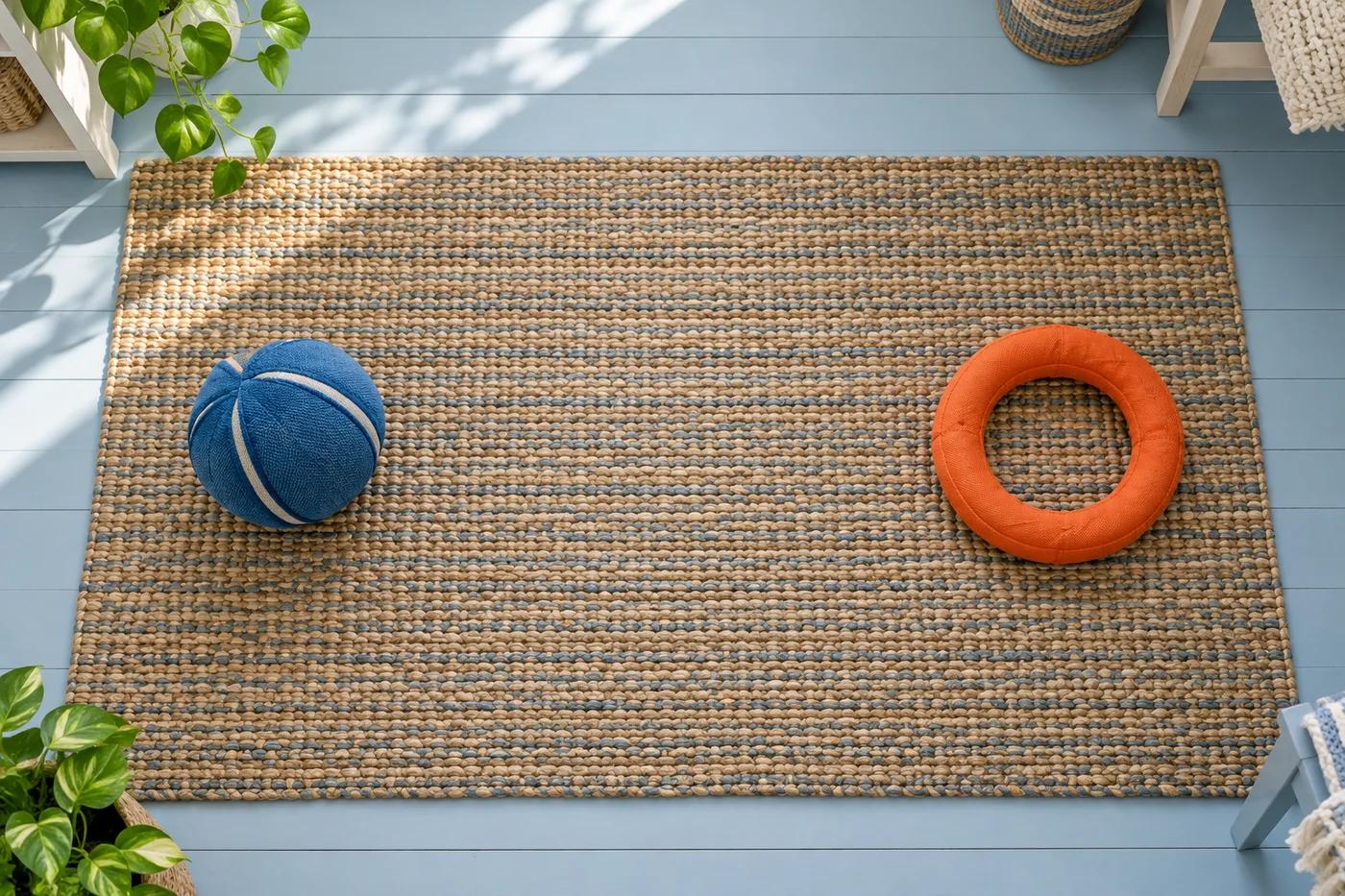
When you add another suitable object, give both clear space and equal access. Do not place the named toy near your toes while the other is hidden behind a chair. Avoid staring or pointing at the correct answer and then interpreting the result as word recognition. A second name needs its own patient teaching; an unfamiliar object is not automatically a known alternative. Change positions between easy turns and stop before the dog starts grabbing everything. You can enjoy progress without setting a percentage score or escalating to five objects in one afternoon.
Treat errors as information about the setup
If the dog chooses the other object, do not scold, startle or physically redirect them. Pause, make the next arrangement easier and consider what cue you actually supplied. Was the toy always on the left? Did one smell strongly of food? Were you leaning toward it? A failed choice does not distinguish confusion, tiredness, a preferred toy or a misunderstood response. Describe what happened rather than assigning stubbornness or low intelligence. Keep normal care, water and rest available without making them rewards that must be earned.
If the dog picks up a toy, do not turn the game into a chase. Use an already practised, appropriate exchange where suitable and end the session. Our leave-it foundation covers a separate skill; it is not a reason to put tempting or hazardous objects into this activity. Guarding or unsafe possession needs an individual plan. Do not introduce a child or another dog to make the choice more interesting. A clear learning environment matters more than a dramatic demonstration, and abandoning this optional game is a perfectly acceptable decision.
Finish while the activity still has a purpose
End after a small amount of useful practice, not when every prepared reward has been used. Put the objects away calmly if that suits the dog, or offer their normal appropriate play separately. A completed session might simply establish that the chosen ball is too exciting for nose touches. That is an actionable observation, not a lost day. Keep toy learning within a varied routine that includes suitable movement, exploration, rest and social contact. It does not replace any of those needs.
At the next session, read your last note and recreate the easiest successful arrangement before making a change. If a second family member takes over, explain the response, word and reward location rather than asking them to improvise a test. Add variety slowly enough that you can tell which part changed. Some dogs may enjoy one named toy for years; others prefer a different activity. The useful outcome is a shared game you can both manage, with honest records of assistance and the option to stop.